Spain Faces Migrant Crisis at Ceuta Enclave
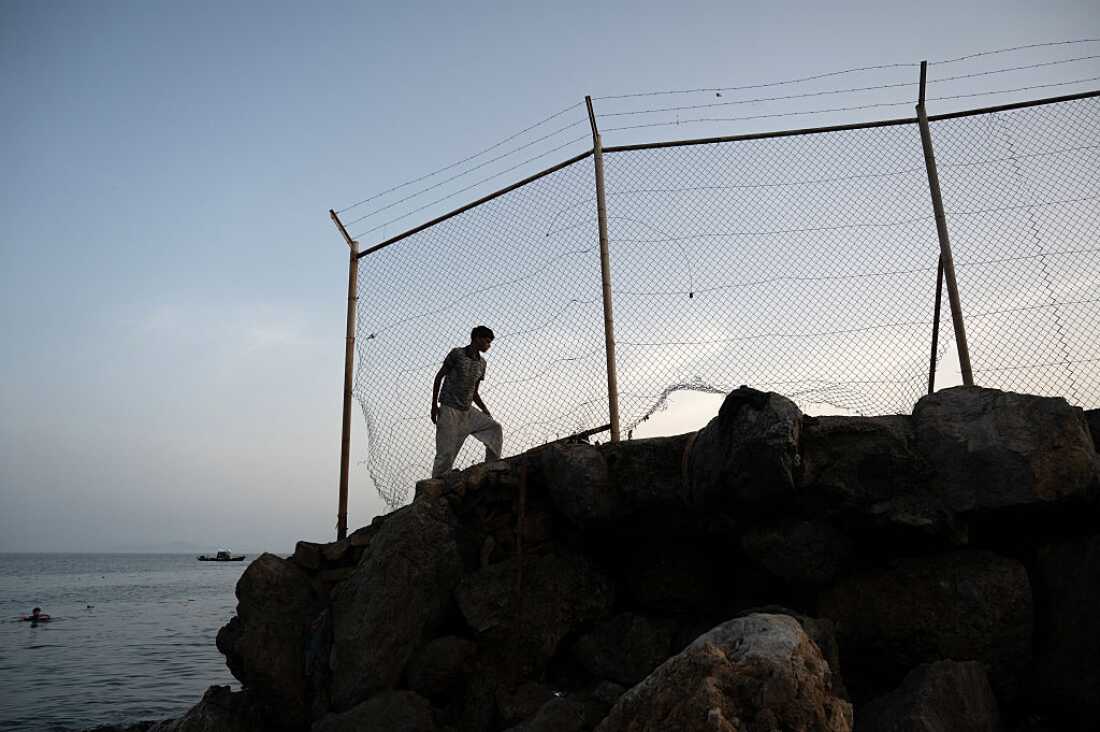
On July 31, 2026, Pedro Sánchez, the Spanish Prime Minister, faced a challenging situation in Ceuta, one of Spain’s North African enclaves next to Morocco. After large numbers of migrants attempted to enter the region, Sánchez implemented new security measures including deploying the army and setting up a 500-meter barrier along the border.
This influx of migrants led to political criticisms worldwide. U.S. President Trump described it as a “catastrophe” and blamed Spain’s migration policies, while Italian Prime Minister Giorgia Meloni emphasized risks to European security, temporarily halting the Schengen Agreement with Spain.
Domestic and International Reactions
In Spain, political rivals seized the moment. The far-right VOX party pushed for immediate deportations and military fortification of the border. The center-right Partido Popular demanded a national emergency declaration.
The crisis arose during a period when Sánchez’s administration was already occupied with severe wildfires across Spain. Despite his past success in navigating crises like the COVID-19 pandemic and natural disasters, this event presents a fresh challenge for him.
Nature of the Crisis
Initially a minor increase, the number of border crossings in Ceuta exploded, with nearly 60,000 migrants crossing within days. Most tragically, at least 67 people drowned trying to reach the enclave. While previous attempts had occurred, this instance saw most migrants coming from Morocco, raising suspicions of Moroccan law enforcement’s involvement. Videos and accounts suggested complicity on the Moroccan side during critical periods when migrants crossed freely.
“We have always prioritized legal, orderly and safe migration for all,” stated Karima Benyaich, Morocco’s ambassador to Spain.
The situation might have been influenced by a recent Spanish Supreme Court ruling altering deportation practices for migrants entering Ceuta and Melilla, fueling expectations of easier entry into Spain.
Ceuta, Melilla, and Spain-Morocco Relations
Historically, Ceuta and Melilla have been points of tension between Spain and Morocco. Although under Spanish control for centuries, Morocco has repeatedly sought their return. Contentions escalated in 2021 after Spain admitted Brahim Ghali, leader of the Polisario Front, for medical treatment, against Morocco’s wishes.
Relations appeared to mend as Sánchez later backed Morocco’s interests in Western Sahara. Nonetheless, his recent engagement with Algeria, Morocco’s rival, may have stirred new tensions.
International Accusations and Geopolitical Implications
Amidst the crisis, some Spanish politicians accused the U.S. and Israel of exploiting the situation. Antonio Maíllo from Izquierda Unida, a coalition partner, argued Morocco’s actions might have been a response to Spain’s recent geopolitical moves, especially concerning Israel and the U.S.
Tensions have persisted since Spain criticized Israel’s actions in Gaza, and subsequently, President Trump threatened trade cuts over defense spending disagreements.
Pressure on European Borders
The migrant surge into Ceuta granted European right-wing parties ammunition to bolster anti-immigration agendas. Italian and Danish leaders pushed for stricter border controls, framing uncontrolled immigration as a European security threat. This prompted an emergency EU meeting to discuss Spain’s permissive stance, amid calls to reassess Schengen agreements.
Sánchez’s Stance on Migration
Despite the pressure, Sánchez remains a proponent of regulated migration. His administration data shows Spain has fewer illegal entries compared to many European nations, having invested in West African collaboration to manage migration sources. He recently approved residency for undocumented migrants, arguing it contributes to Spain’s economic growth.
An op-ed in The New York Times outlined his views, stating regulated migration fosters societal prosperity. “For me, the choice is clear,” Sánchez wrote.
As Sánchez faces increasing challenges from within Europe, Ceuta’s events present a significant test of his fortitude under international scrutiny and political pressure.