St. Louis Political Rematch Highlights Tensions and Divergent Paths
The setting outside the historic courthouse where the infamous Dred Scott case was argued served as a backdrop for former Rep. Cori Bush to reflect on her recent ouster from Congress. Holding a microphone, Bush emphasized the importance of reversing what she sees as a historic setback, stating, “This is our moment.” The crowd around her echoed the sentiment, chanting for her return to Congress.
Bush, known for her progressive views and activism as a Black Lives Matter organizer in Ferguson, lost a primary challenge to Wesley Bell, a moderate prosecutor. This rematch promises to be a key indicator of shifting political landscapes within the Democratic Party. The race features debates over core issues like the U.S. alliance with Israel and the growing influence of democratic socialists.
Both candidates, Black and rooted in the modern civil rights movement, offer voters distinct choices. Bell, a pragmatist, has positioned himself as an effective lawmaker, while Bush ties her legislative work closely with activism. Two years ago, Bush lost to Bell by a narrow margin and attributed her defeat to financial involvement from the American Israel Public Affairs Committee (AIPAC). In this election, Bush’s stance against the war in Gaza and her critical view of Democratic leadership resonate more within the party. She claims to hold “moral authority” in what she sees as a pivotal rematch.
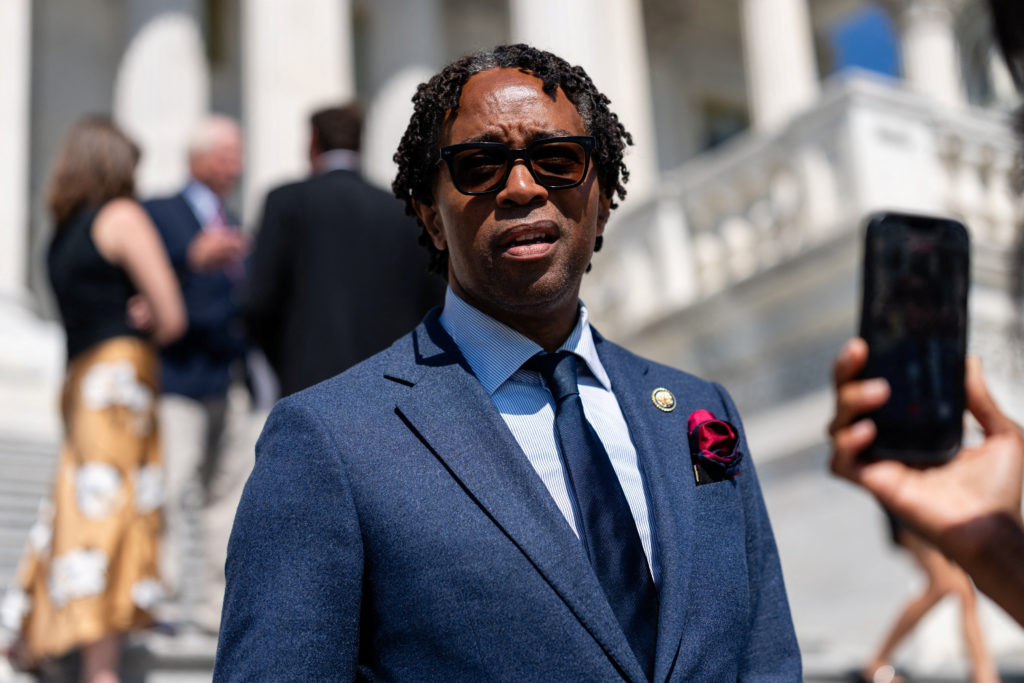
Bell focuses on local engagement, meeting with senior citizens at historic Black churches, and dismisses Bush’s accusations. He counters that his dedication to St. Louis contrasts with Bush’s approach, accusing her of being self-serving. Bell has strong Democratic backing, including support from former House Speaker Nancy Pelosi.
“In this election, the choices are clear,” Bell stated. “I’m here to work for St. Louis every day.”
The rivalry has deepened, encompassing allegations of misconduct from both sides. Bush criticizes Bell over a lawsuit related to an alleged assault at a town hall meeting and an employment discrimination settlement. In turn, Bell highlights a past Justice Department review of Bush’s campaign finances, particularly payments to her husband for security services. Both politicians deny any wrongdoing.
AIPAC’s involvement has national implications, drawing attention as debates about U.S.-Israeli relations intensify. Former Rep. Jamaal Bowman, an ally of Bush, promotes a vigorous voter mobilization effort, criticizing AIPAC’s influence. Bush’s critiques of Israel resonate with some Jewish leaders who oppose Israeli policies, while others express concerns over antisemitism linked to anti-Israel rhetoric.
Bush maintains that her campaign condemns hate in all forms. She challenges Bell and others to stand against anti-Muslim sentiment and support Palestinian liberation.
AIPAC, through its political action committee, has invested significantly in opposing Bush, coupled with contributions from New Democrat Majority, a group supporting moderate Democrats. Bell emphasizes transparency and collaboration with allies when discussing military funding, asserting the importance of the U.S. working together with international partners.
The race is influenced by local issues like disaster relief following a St. Louis tornado, as well as the role of financial contributions from external sources. Voters like Allison Johnson are conflicted over their choice, factoring the impact of AIPAC’s spending into their decision-making process.
Both Bush and Bell are prominent figures born from the Black Lives Matter movement. Bell, in his political rise, served on the Ferguson city council and later as a prosecuting attorney, working on police reform efforts. Bush, transitioning from activism to Congress, remains committed to challenging established power structures.
The outcome of the primary will reflect broader concerns about representation and influence in politics, amid ongoing discussions on effective governance and community support.