Stephanie White’s Statement Sparks Debate
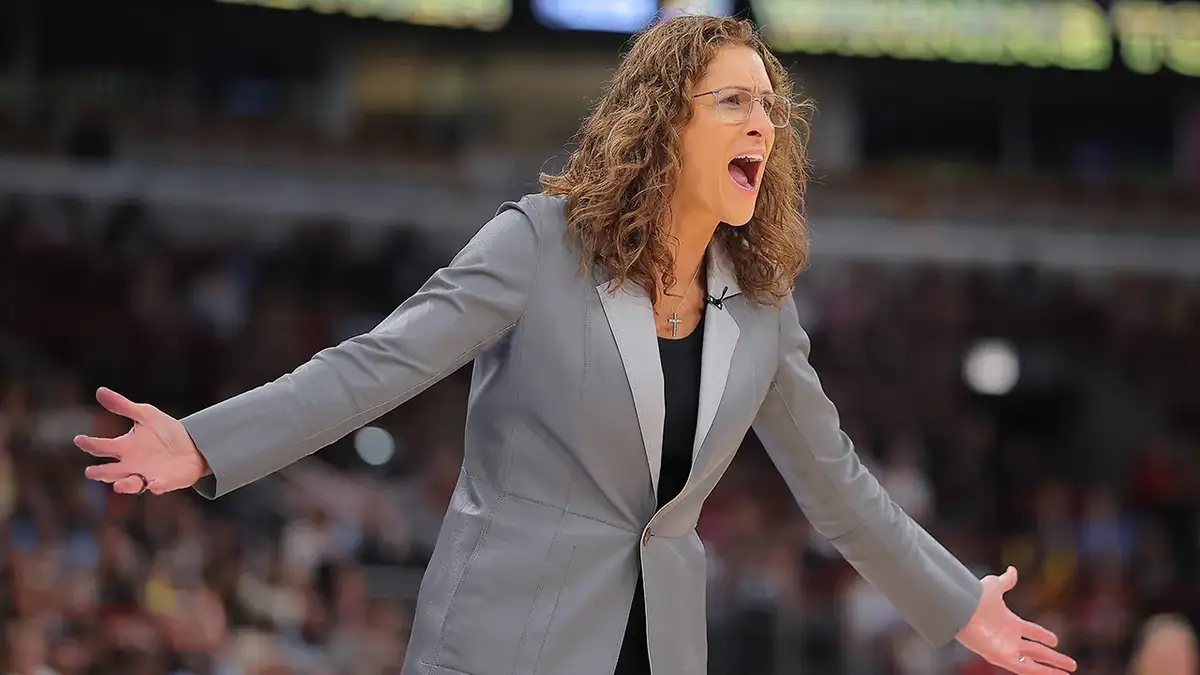
Fever head coach Stephanie White made headlines during a pregame press conference before Indiana’s match against the New York Liberty. She read a prepared statement condemning the ‘hate,’ ‘fear mongering,’ and ‘divisiveness’ she says are threatening to ‘hijack’ the WNBA. Her statement included profanity, table banging, and ended with her leaving the room without taking questions.
White’s remarks received quick praise from ESPN analysts and reporters, who described them as ‘passionate,’ ‘important,’ and ‘impassioned.’ ESPN commentators highlighted White’s vulnerability and commitment to love. Some critics, they suggested, are driven by hatred.
White’s statement came after criticism for her response to an incident involving DiJonai Carrington’s foul on Fever guard Sophie Cunningham. Many felt White defended the opposing player more than her own, who ended up with a bloody mouth.
White later explained her perspective, having not seen the replay during the game. She revised her stance after watching the footage, acknowledging, “Was it egregious? Absolutely.”
Beyond the Cunningham incident, White addressed an ‘online community’ she claims is creating false narratives about her and the league. She stated, “The hate, the fear mongering, the divisiveness, the stuff that’s trying to hijack our league will not win. We are united.” She emphasized ‘love,’ ‘kindness,’ and quoted Michelle Obama’s ‘when they go low, we go high.’ Yet, she also declared, “Everybody else can go to hell.”
Despite varying opinions on her speech’s authenticity, the WNBA media largely backed White’s message. ESPN analysts like Chiney Ogwumike and Andraya Carter discussed the pressures White faces and her plea to refocus on basketball. They framed criticism as potentially uninformed and possibly fueled by hatred.
This led to discussions about distinguishing between criticism and harassment, and whether disagreement with White implies divisiveness. ESPN not only reported White’s claims but appeared to endorse her narrative by framing criticism as ‘vitriol and harassment.’ They replayed White’s speech during the game, with commentators expressing empathy for those enduring online harassment.
The discourse reflects WNBA’s long history of engaging with issues beyond the basketball court. Historically, topics of politics, race, and social justice haven’t been seen as distractions. However, the current emphasis on ‘sticking to basketball’ after White’s speech suggests a shift in narrative focus.
White’s emphasis on unity and love coincides with ESPN’s backing. Yet, there remains debate about the viability of her claims and the reaction they received. Critics urging a return to basketball reflect a tension between the league’s broader social conversations and the desire to concentrate on sports.