Strait of Hormuz Reopens: Unpacking the U.S.-Iran Agreement
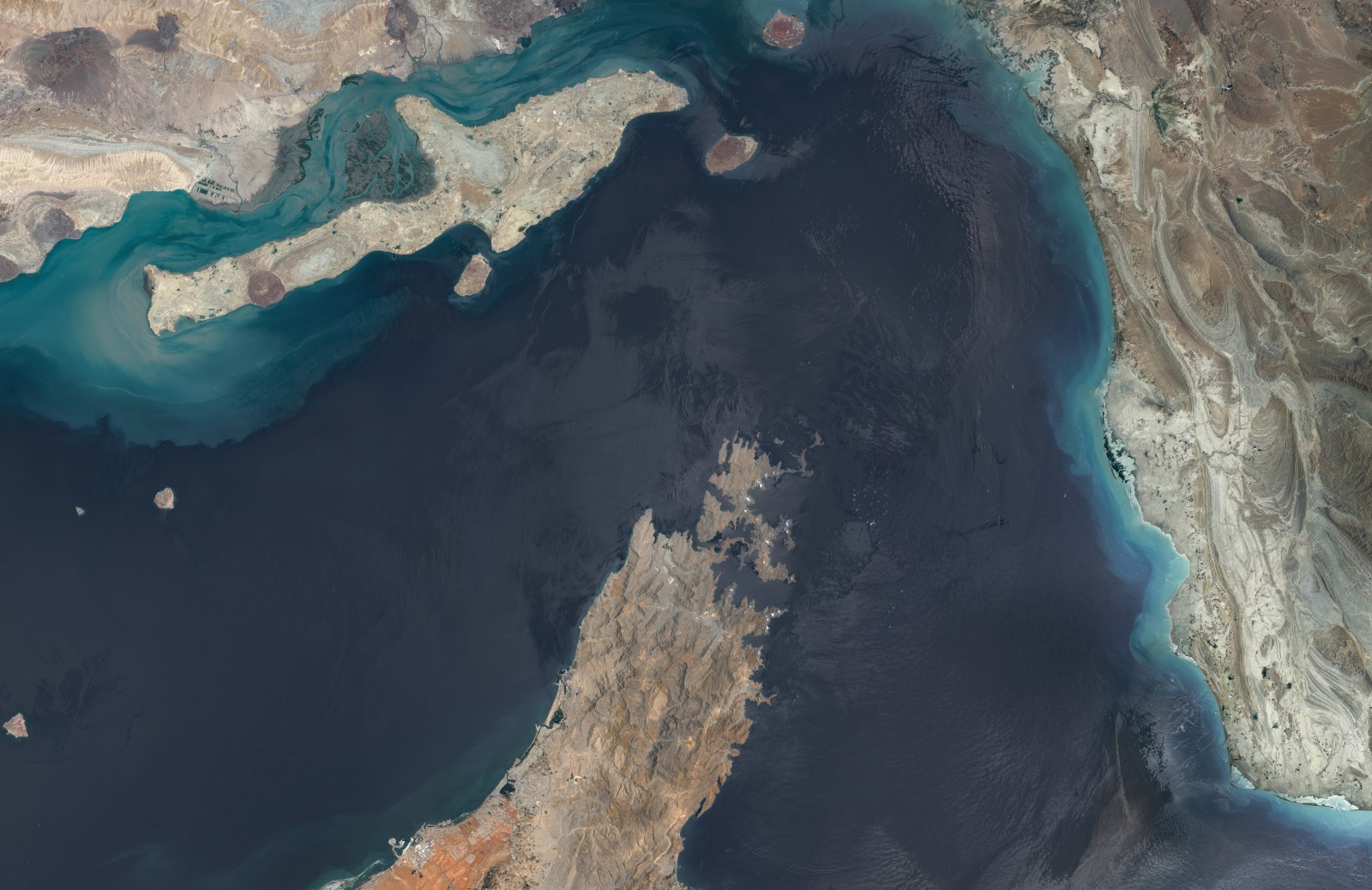
President Donald Trump has announced that the Strait of Hormuz remains open despite differing claims about its accessibility. This declaration follows the agreement to end the Iran war with a focus on reopening this critical waterway. Trump’s statement on Truth Social came after numerous vessels were observed traveling through the previously blocked strait. The blockage had been imposed by Tehran, which led to a U.S. response blocking Iranian ports. While traffic through the strait has resumed, it has not yet reached the levels seen before the conflict ended.
The recent framework deal to end the conflict included reopening the Strait of Hormuz, a passage responsible for one-fifth of global hydrocarbon transportation. However, shipping companies remain cautious about navigating these waters due to the reported presence of mines and unclear agreement details.
Trump mentioned that Iran has agreed to permit long-term nuclear inspections, addressing one of the war’s instigating factors. Based on this and additional concessions from Iran, Trump agreed to keep the strait open without extending the naval blockade. He assured that U.S. ships are prepared to enforce the blockade again if necessary, though he considers this unlikely for now.
Maritime Communication and Control
On Sunday, delegations from both the U.S. and Iran agreed to create a communication line to avert military incidents as commercial ships navigate the strait. Iranian media interpreted this as Iran asserting sovereignty over the area since vessels would need to coordinate with Iranian authorities for safe passage.
Iran claimed to have closed the strait over the weekend, citing Israeli ceasefire breaches in Lebanon. Despite this, maritime data showed that 25 ships traversed the passage from Sunday to Monday, with more following on Tuesday.
Iran has indicated plans to impose charges for using the strait. However, such a move would violate international maritime laws. Under the existing agreement between Iran and the U.S., the strait will remain toll-free for at least 60 days, although the U.S. has not clarified what will occur afterward.
Preventing Misunderstandings
To help avoid conflicts, Iran and the U.S. have agreed to establish a hotline for the strait. This line aims to “prevent and resolve any misunderstandings” as ships pass through this crucial point, explained Iran’s chief negotiator, Mohammad Bagher Ghalibaf.
Moreover, Iran and Oman have crafted a joint committee to deliberate on issues related to the waterway. Following discussions between the two nations, Omani Foreign Minister Sayyid Badr Albusaidi affirmed their dedication to international law and the promise of toll-free secure transit.