Strengthening Disclosure of Foreign University Funding
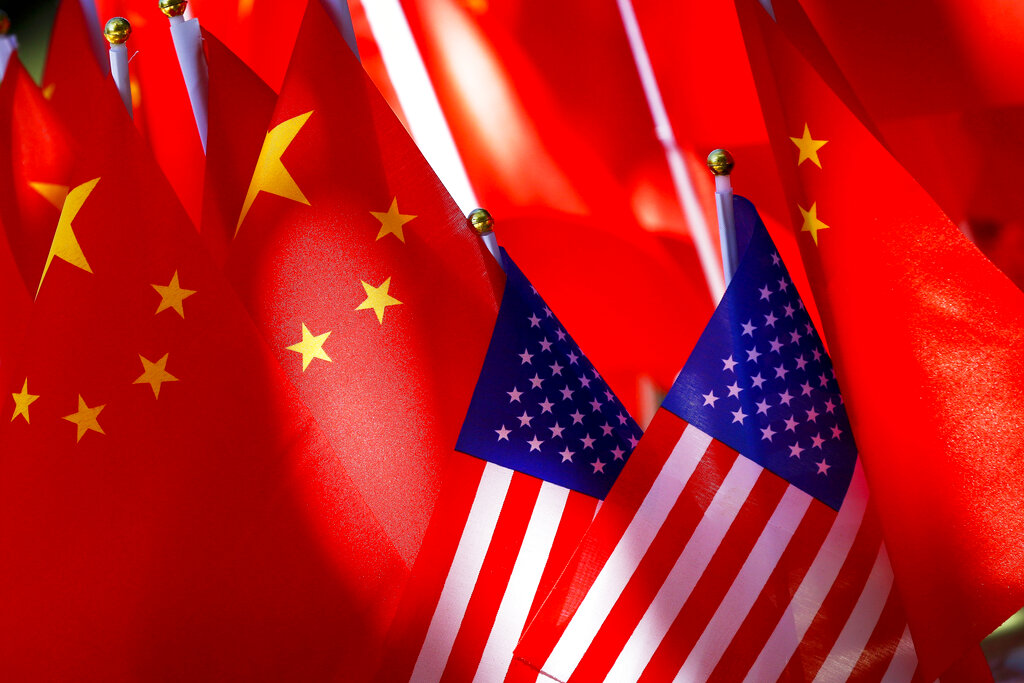
On September 16, 2018, American and Chinese flags were displayed together atop a trishaw in Beijing. This visual reflects the deep ties and potential conflicts between the U.S. and China, particularly in education and security. The National Defense Authorization Act serves as a key tool for Congress in addressing China’s military and technological ambitions. This year’s defense bill aims to tackle a crucial issue at home: the inadequate disclosure of foreign funds to American universities and its possible repercussions.
America’s universities are vital to national security. They train critical scientists and engineers, conduct research funded by the federal government, and generate key discoveries. These attributes make them attractive to foreign governments seeking access and influence, posing risks tied to sensitive research. The focus is often on China’s strategic interest in education as a means to gain advantage.
Recent congressional investigations underscore these risks. The House Select Committee on Countering the Chinese Communist Party and the House Education and Workforce Committee revealed that substantial amounts of U.S. taxpayer-funded research have contributed to China’s military and technological advancements. This occurred through collaborative research and university partnerships in areas like artificial intelligence, quantum technology, hypersonics, and nuclear physics. Concerns were also raised about joint U.S.-China institutes linked to Chinese entities with defense ties.
Transparency in foreign funding affects more than research security. Gifts, contracts, and partnerships may create dependencies and conflicts of interest, offering foreign governments a foothold in universities. While each relationship might seem manageable alone, collectively they show patterns of influence that need visibility. Current disclosure requirements fail to provide this view.
Section 117 of the Higher Education Act mandates reporting of foreign gifts and contracts over $250,000 from a single foreign source within a calendar year. Although this threshold appears substantial, reality tells another story. Following stricter enforcement by the Education Department in 2019, approximately $6.5 billion in previously undisclosed foreign gifts and contracts were found. Investigations revealed failures to report millions in Chinese government funding at schools with Confucius Institutes. Recent data highlights $405 million in university transactions linked to entities on U.S. government watchlists or restricted lists.
These findings have prompted Congress to consider stricter disclosure requirements in the defense bill.
The proposed measures suggest lowering the reporting threshold to $50,000 and demanding comprehensive disclosure for certain countries, including China, Russia, Iran, and North Korea. Enhanced enforcement and improved public access to funding data are also measures under consideration. The aim is clear: provide transparency regarding foreign money in American universities for Congress, federal agencies, universities, students, and the public.
Improved disclosure would enhance implementation by comparing foreign funding against known risk indicators like export-control restrictions and defense-related entity lists. This can better equip federal agencies to assess risks before grants are provided or partnerships advance.
Crucially, these requirements would not ban foreign students or restrict lawful study and exchange. They target disclosure of foreign gifts, contracts, partnerships, and terms. This distinction is significant. America’s openness to global talent remains a strategic strength. Transparency helps maintain this openness by distinguishing legitimate academic exchange from risky associations.
As Congress reviews measures concerning China in the current defense bill, foreign funding disclosure should remain a priority. The objective is not to close U.S. campuses to the world but to ensure visibility into who is seeking access.
Craig Singleton, a senior fellow at the Foundation for Defense of Democracies and former U.S. diplomat, contributes this insight.