Strengthening El Niño Impacts Western U.S. Weather
A rapidly strengthening El Niño is raising hopes for relief in drought-stricken areas of the Western United States. Forecasters warn that this climate pattern could become one of the strongest on record, potentially reshaping weather patterns across the Pacific and North America. Although its full effects are uncertain, a historic or super El Niño could bring significant changes.
Potential Impacts and Timing
Currently, the summer weather in the West is unlikely to change significantly due to El Niño alone. The phenomenon’s most consistent impacts usually arise during late fall and winter, affecting storm tracks, rainfall, and snowpack in the Western U.S. The climate pattern’s influence may extend beyond winter, impacting drought conditions, Colorado River supplies, and mountain snowpack in the Intermountain West, along with the intensity of next year’s wildfire season.
Experts predict a super El Niño, meaning more significant weather changes. While the National Oceanic and Atmospheric Administration (NOAA) classifies the strongest storms as ‘very strong,’ some experts use ‘super El Niño’ to describe exceptionally powerful events. These occur when sea surface temperatures in the central and eastern tropical Pacific are well above average, intensifying El Niño’s global influence.
Expectations for El Niño’s Progress
Forecasters anticipate that El Niño will strengthen through fall and winter. Some projections suggest it could be among the most powerful events in recent decades, similar to those in 1982-83, 1997-98, and 2015-16. Although no two events are identical, stronger El Niños often have a greater capacity to alter storm tracks, temperature patterns, and precipitation worldwide.
Timing of Weather Changes
Although El Niño originates over the tropical Pacific, its influence on U.S. weather is most noticeable during fall and winter. Meteorologists expect changes to become apparent as the jet stream and storm patterns shift, with the most substantial impacts from December to February. El Niño doesn’t dictate daily weather but alters the odds of specific patterns occurring.
Western States: What to Expect
For the Western U.S., a strong or super El Niño may increase chances of a wetter and snowier winter, especially in California and the Southwest. More storm systems could deliver much-needed precipitation to drought-affected areas and help rejuvenate mountain snowpack, a crucial water source during warmer months.
Implications for Colorado and Utah
A strong El Niño raises hopes for more snow in Colorado and Utah after a lackluster season. AccuWeather’s Paul Pastelok mentioned that the probability of more snow is high but not guaranteed. In 2015-16, the jet stream shift brought unexpected snow patterns, highlighting the potential for varying outcomes this year.
Colorado River and Reservoirs
El Niño may raise water levels in the Colorado River and Lake Mead significantly. If persistent, improvements could continue into future seasons. However, the drought is due to a long-term lack of resources, not just precipitation, meaning one wet year won’t solve the underlying issues.
Climate scientist Daniel Swain noted that despite an uncertain outlook, there’s a reasonable chance of a wet winter, especially in the Lower Basin states, due to super El Niño. This pattern is likely to increase winter storm activity in southern regions like Arizona and New Mexico, resulting in more rain and snow.
Wildfire Concerns
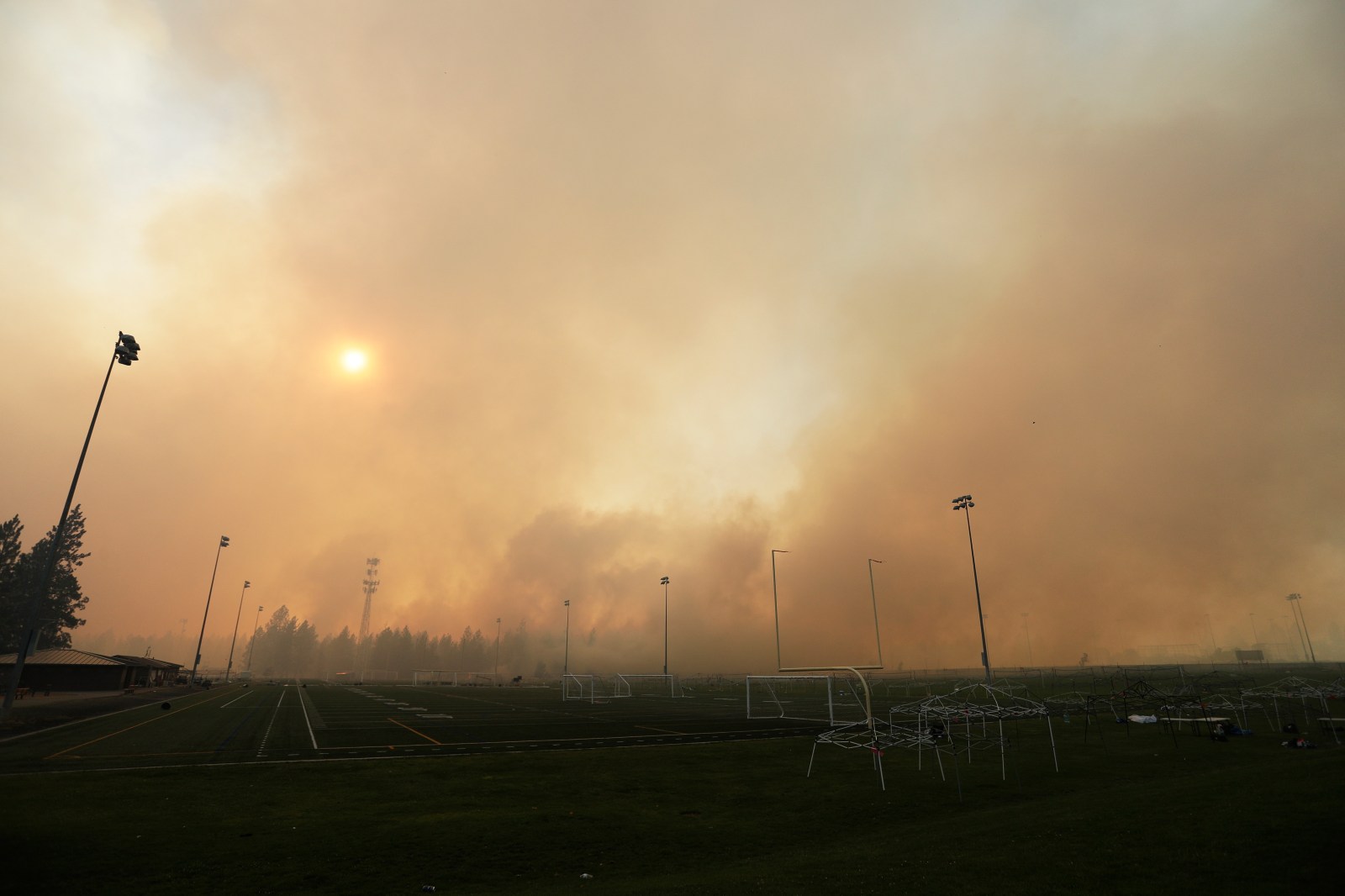
Swain cautioned about El Niño’s potential to saturate areas like Southern California and southern Arizona this winter. While beneficial, this could worsen next year’s wildfire season. In higher elevations, dry years increase flammability; in lower areas, a previous wet period fostering growth, followed by a dry season, creates fuel for fires.
Following El Niño, a strong La Niña event might lead to extreme heat and dryness, escalating wildfire risks in different areas than this year. The Pacific Northwest, enduring its worst fire season, may face another challenging year due to prolonged dry conditions.