Key Developments in Lindsay Clancy’s Murder Trial
Defense Introduces Unusual Witness Amid New Evidence
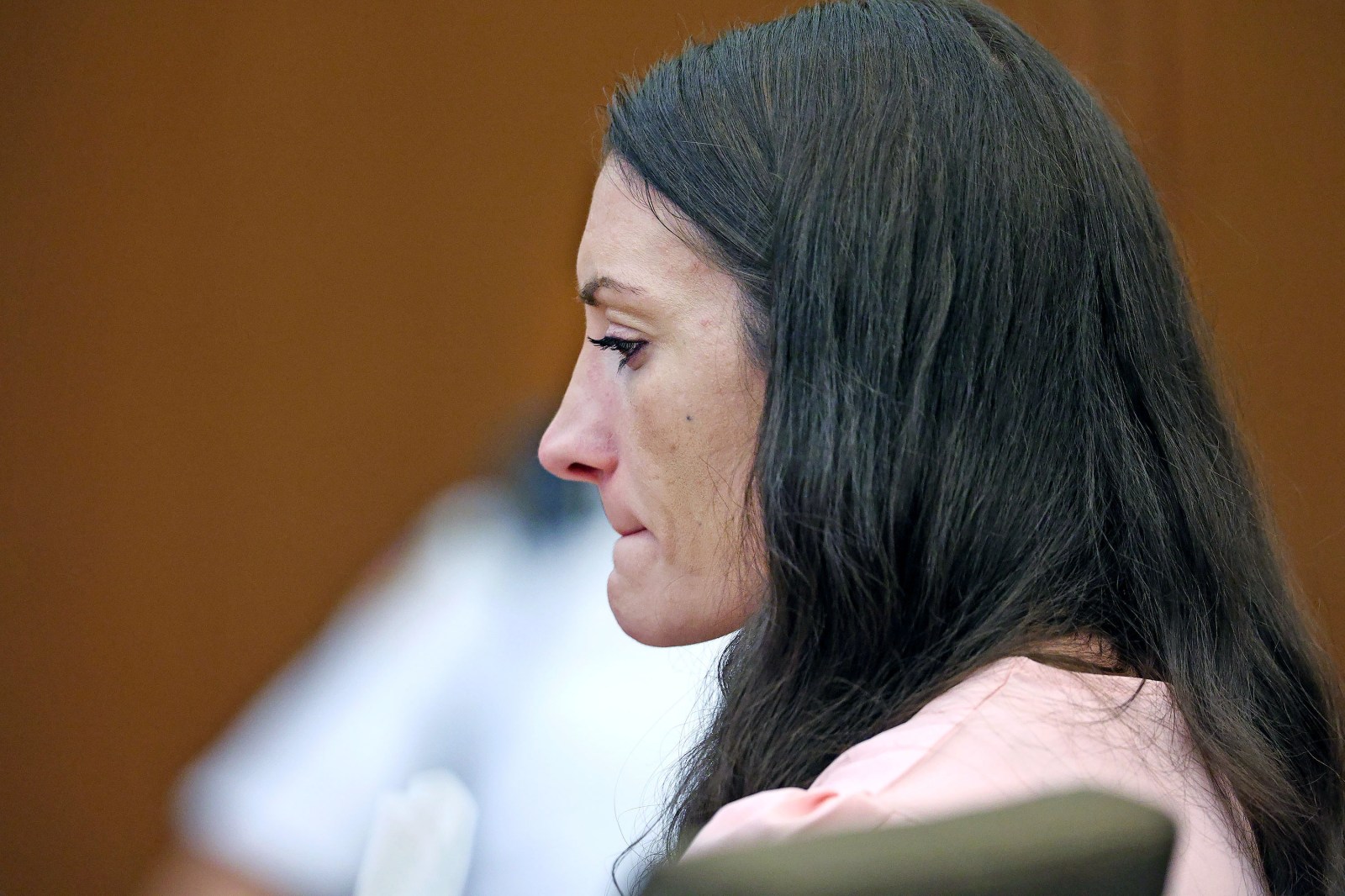
Lindsay Clancy’s murder trial saw increased tension as the defense introduced an unconventional witness and presented new evidence about Clancy’s deteriorating mental health. Sharp divisions between the defense and prosecutors have emerged over Clancy’s mental state prior to the tragic events. The question of whether she was legally responsible or experiencing postpartum psychosis will be pivotal as expert testimonies unfold.
Nurse Practitioner Identifies Bipolar Disorder Symptoms
Psychiatric nurse practitioner Rebecca Jollotta provided critical testimony, noting symptoms indicating bipolar disorder and a ‘mixed manic state’ in Clancy. Jollotta described signs such as pressured speech, racing thoughts, insomnia, and emotional numbness. She recommended an increased Seroquel dosage and advised a partial hospitalization program, highlighting her concerns about Clancy’s mental stability.
The testimony bolsters the defense’s claim that warning signs were present but not adequately addressed. Jollotta noted she suggested bipolar disorder as a possibility, which Clancy’s husband Patrick dismissed. The defense argues Clancy’s symptoms were severe and untreated.
Prosecutors Challenge Postpartum Psychosis Defense
Despite Jollotta’s observations, she did not believe Clancy suffered from postpartum psychosis. During questioning, she confirmed Clancy’s thinking was ‘linear and goal-directed’ and lacked psychotic symptoms like hallucinations. This distiction challenges the defense’s claim of postpartum psychosis being a central factor in Clancy’s actions.
Impact of Recommended Reading on Clancy’s Mental Health Context
A book titled Good Moms Have Scary Thoughts was found in Clancy’s home, raising discussions about Clancy’s mental health. This book, which deals with common intrusive thoughts faced by new mothers, had been recommended by Jollotta. The defense suggests the book underscores the seriousness of Clancy’s mental health issues, while prosecutors contend it shows Clancy’s awareness of her condition.
Insight into Clancy’s Mind Through MyChart Messages
Jurors reviewed MyChart messages revealing Clancy’s worsening mental condition. The messages displayed her struggles with insomnia, medication side effects, anxiety, and profound emotional numbness. Clancy expressed concerns over potential Ativan dependency and frustrations over unaddressed feelings.
These communications form a defense argument that Clancy’s pleas for help went unheeded. Prosecutors counter by demonstrating Clancy’s engagement in her treatment and denial of harmful intentions, negating the defense’s psychosis claim.
Defense’s Controversial Witness Attempt
In a bold move, the defense sought testimony from Emily Thorndike, a former therapist at McLean Hospital. Thorndike claimed inadequate conditions at the hospital during Clancy’s stay, contradicting the prosecution’s portrayal. Despite skepticism from Judge William Sullivan, limited questioning outside the jury’s presence may be allowed.
The defense aims to discredit care quality at McLean, suggesting insufficient treatment during key moments before the incident.
Additional Trial Revelations
Testimonies revealed Clancy’s preoccupation with medication adjustments and her proactive behavior in her treatment process. Despite testimony noting her autonomy over medication choices, the defense argues these decision blurred efforts to properly address her mental illness.
Evidence underlined Clancy’s family’s attempts for appropriate intervention, further adding to the defense’s narrative of a rapid mental health decline.
Looking Ahead
The trial proceeds with more psychiatric testimonies. The defense continues arguing Clancy was overmedicated and misdiagnosed, claiming postpartum psychosis. Prosecutors focus on Clancy’s awareness and actions to argue her accountability. The jury’s decision will center on whether Clancy understood the wrongfulness of her actions due to her mental health condition.