Study Reveals Impact of Cannabis Edibles on Driving Ability
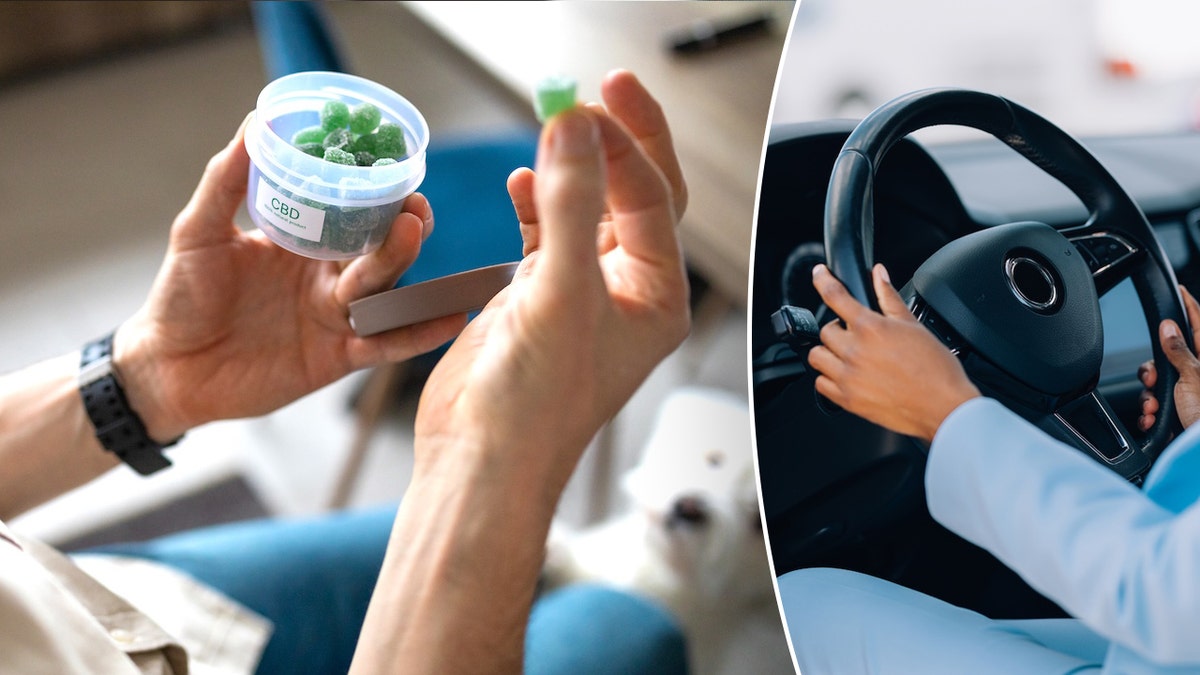
A recent study highlights the significant impact of cannabis edibles on driving skills and reaction times. Even when blood tests indicate THC levels below the legal limit, consumption of edibles can impair road performance.
Implications for Driving Enforcement
The study, published in JAMA Network Open, presents challenges for enforcing impaired-driving laws in Canada and parts of the U.S. Traditional research has focused on smoked cannabis, which quickly raises THC (tetrahydrocannabinol) in the bloodstream. Edibles break down more slowly, affecting driving even with lower THC concentrations.
Edibles and Driving Impairment
Edibles can affect lane control, reaction time, and speed consistency. Higher doses tested showed drivers struggling with these aspects, despite blood THC levels not reaching standard legal impairment thresholds.
“The delayed absorption and prolonged duration of effects of edible cannabis distinguish it from smoked or inhaled cannabis.” — Dr. José Ignacio Nazif-Munoz
Research Approach
The Centre for Addiction and Mental Health in Toronto led a trial with 40 regular cannabis users. In different sessions, they consumed gummies with varying THC doses (0, 2, 10, or 20 mg). Driving was then tested using a simulator at multiple intervals after consumption.
Results showed impairment at two and five hours post-consumption of 10- and 20-mg dosages. Participants reported decreased willingness to drive and lower confidence in their skills.
Blood THC Concentrations
At the highest dose, blood THC levels averaged 3.4 ng/mL, below the common 5 ng/mL legal limit but some samples exceeded this level. By contrast, smoked cannabis studies showed blood levels reaching 30.3 ng/mL, despite similar impairment degrees.
Study Limitations
The study used simulators, not real roads, meaning drivers had no physical risk. It focused on regular users, making it unclear how occasional users might be affected.
After 24 hours, only minimal effects were noted with participants’ subjective intoxication feelings having faded.
Law Enforcement and Policy Concerns
Edibles’ slow digestion poses a challenge for accurate roadside testing. Policymakers seek more reliable tools to detect impaired drivers. Dr. Nazif-Munoz emphasized the need for improved testing measures.