Summer Camps Adapt to Climate Challenges
On a sunny day in July, seven-year-old Penelope immerses herself in play at Beauvoir Summer Camp in Washington, D.C. “I like playing mermaid,” says Penelope, enjoying the water with her friend Sam. They use pool noodles like dolphins, partaking in free swim activities with other kids. Sessions like these have become cherished as outdoor playtime faces interruptions.
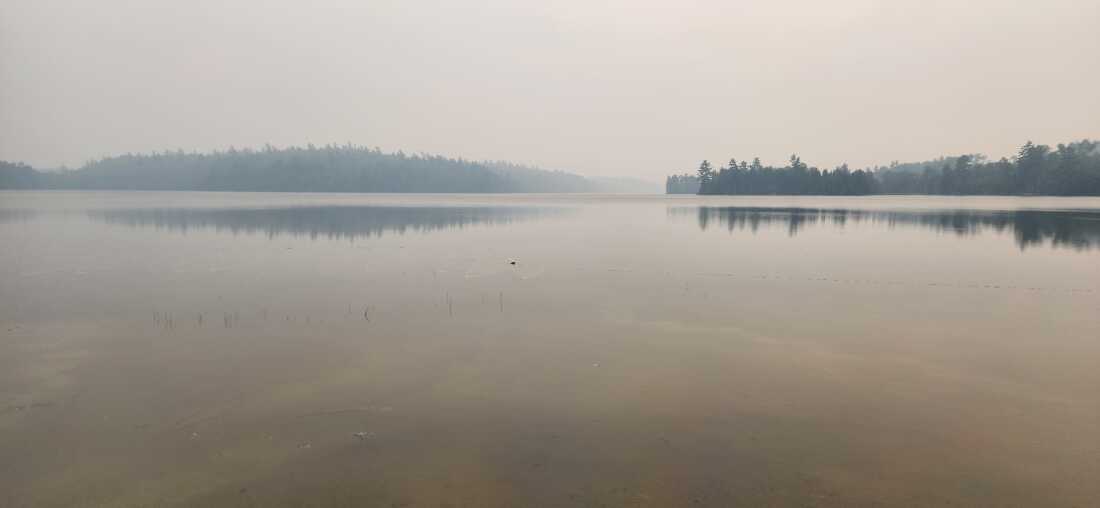
The past summer presented unexpected challenges due to extreme weather. In Ely, Minnesota, Camp Widjiwagan faced smoke from wildfires. Similarly, in Washington, hazardous air quality kept campers inside. At Beauvoir, intense heat earlier reduced outdoor activities, explains Drew Mackay, director of auxiliary and summer programs at the Beauvoir School.
This season, severe weather became commonplace. Across northern Minnesota, Canada, and the northeastern U.S., fires brought suffocating smoke. Texas experienced disastrous floods, while intense heat waves redefined traditional summer festivities.
Such climatic conditions resulted primarily from fossil fuel consumption. Scientific studies confirm the rise in frequency and intensity of heat waves, droughts, hurricanes, and floods. Families felt these impacts, including Lauren Smith’s household in Pennsylvania, where extreme heat and smoke disrupted daily life. Rain, though relentless, provided brief relief.
This generation tackles not only the isolation from a recent pandemic but also unpredictable weather challenges. Parents, camp leaders, and children share their experiences. For Penelope, climate change signals a world constantly transforming.
Adapting Summer Camps to New Realities
For many children, summer camps offer a break from academics. A 2024 Gallup survey highlighted 55% of U.S. parents enrolling their kids in organized summer programs. According to Henry DeHart, CEO of the American Camp Association, camps instill independence, problem-solving, and teamwork among children. He underscores the increasing importance of camps facing extreme weather, which is now more frequent.
Accredited camps have extensive safety plans. Ellen Watkins leads Miakonda Day Camp in Ohio, where wildfire smoke led the camp to innovate with indoor activities including dry-land swimming exercises. Parents appreciated these adjustments.
However, not all camps could amend plans. Camp Widjiwagan in Ely relocated due to smoke concerns. A striking image of submerged canoes garnered attention worldwide, illustrating the challenges camps face today. Executive Director Ben Hoffman said the historic canoes were preserved this way for their protection.
For camper Eleanor Pitts, participating in a 26-day backpacking trip in Canada was revealing. Changes in the environment marked by smoky air and flooded rivers highlighted climate change’s reality for her.
Director Mackay at Beauvoir Summer Camp says adapting to weather extremes is now integral to their operations. Nevertheless, children like Penelope prioritize maximizing pool time, embodying the resilience and adaptability camps and children continue to exhibit in changing climates.