Supersized El Niño Predicted to Impact U.S. Weather Patterns
Overview of El Niño Phenomenon
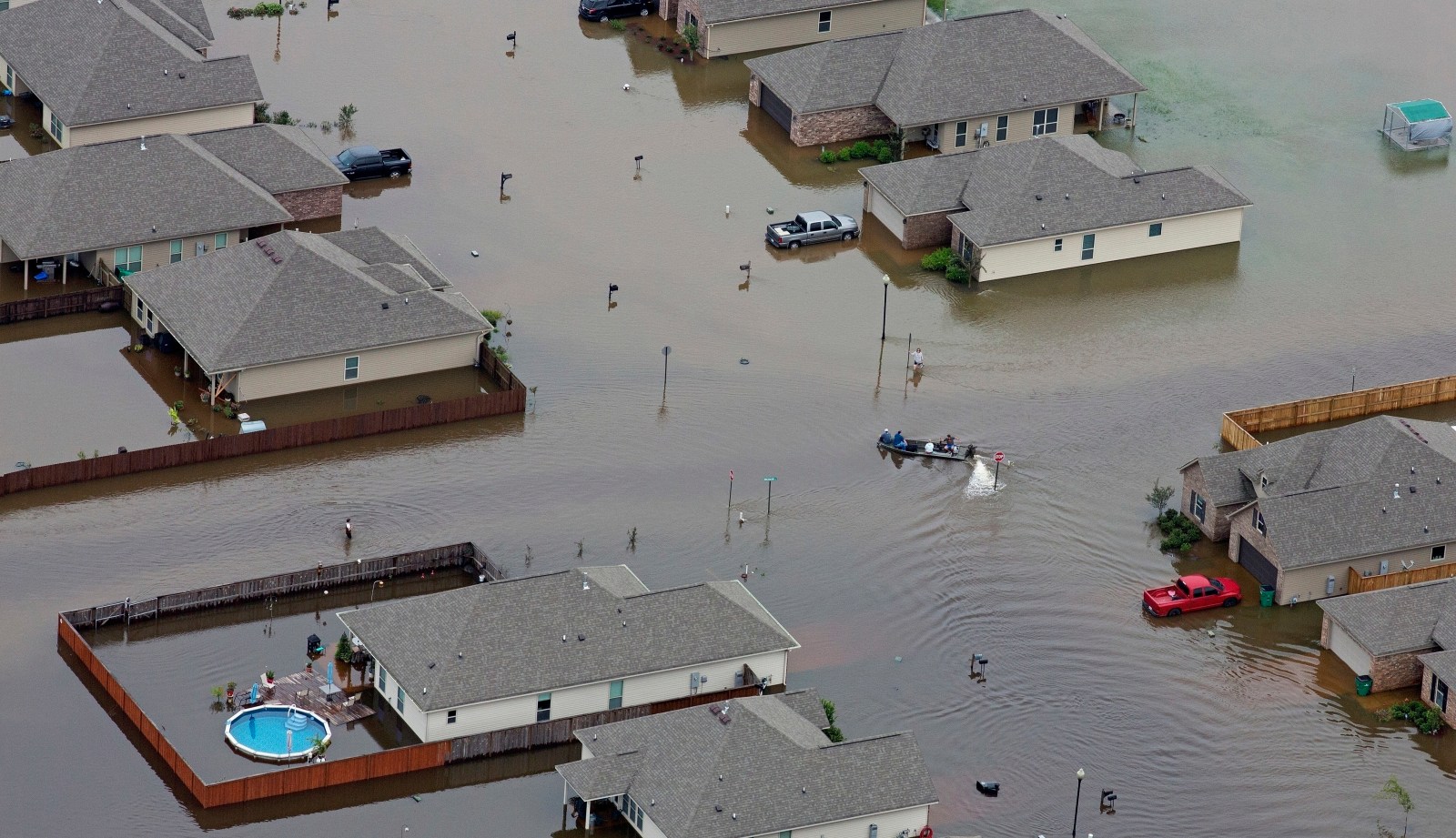
Meteorologists are alerting Americans to a “supersized” El Niño event that may cause heavy rain and flooding in the U.S. over the next months. Coastal areas are at higher risk, driven by exceptionally warm Pacific Ocean temperatures. The World Meteorological Organization (WMO) forecasts a “very strong” El Niño in the fall and winter, impacting communities nationwide.
The significance of this El Niño could surpass previous occurrences. The United Nations Secretary-General, António Guterres, highlighted the unprecedented warming ocean conditions. Climate scientist Gavin Schmidt stated, “This event might make 2027 one of the hottest years ever recorded.”
Regional Impacts
Scott Handel, a meteorologist at NOAA’s Climate Prediction Center, explained that each El Niño event differs, but the expected strength offers clues. The West Coast, notably California, faces heightened risk of excessive rainfall and flooding. California’s history during past El Niño events, such as the 2023-24 record rainfall in San Diego and the wettest February for Los Angeles in 1997-98, serves as a reference.
The Upper Midwest and Northern Tier are likely to experience above-average temperatures, while the Southeast may see increased rain, flooding, and severe weather. Reduced snowpack in the Northern Rockies is also expected.
Homeowner Concerns
Homeowners must prepare for strong winds and heavy rains triggering mudslides along the West Coast. Similarly, flood and storm risks are higher for the Southeast, with the East Coast prone to coastal storms. Property insurance claims may rise, covering wind, roof, and water damage, especially amid unusual cold snaps in the South or through heavier rainfall in California and the Gulf Coast.
Tree and debris damage, as well as increased winter storm losses, are common in regions unfamiliar with extended cold periods.
Recommended Preparations for Homeowners
Insurance information specialist Mark Friedlander emphasizes obtaining specific flood policies through either the National Flood Insurance Program (NFIP) or private insurers. Despite significant flooding risks nationally, only 4% of homeowners possess flood insurance, according to FEMA data from 2025.
Denali Pinto, a research analyst, advises homeowners to identify whether their property lies in a flood-prone zone using FEMA’s Map Service Center. Flooding can occur in any area that experiences rain, not just mapped high-risk zones.
Homeowners should secure flood policies promptly, as NFIP has a 30-day waiting period and federal government shutdowns may impede new issuances.
Practical Action Steps
If flood risks exist, keep sandbags ready and clear gutter systems. Store emergency provisions, such as food, water, and a power bank. Stay updated with forecasts, avoid driving through moving water, and consider buying a NOAA weather radio for power outages.
Implementing effective prevention measures like portable flood barriers and strengthening home defenses against wildfires may prove cost-effective. Consider elevating foundations or installing fire suppression systems for added safety.
Friedlander recommends preparing a home inventory with photos or videos of belongings. Clearing property gutters and drains, reviewing evacuation routes, and stocking emergency supplies are essential preparatory actions.
Regional Concerns
Weather expert Crystal Egger warns homeowners not to presume a universally wet winter due to strong El Niño events. These patterns vary, as seen in California’s distinct W1997-98 and 2015-16 experiences. While El Niño implies likely wetter conditions in the southern U.S., individual storm behaviors remain unpredictable.
Emily J. Becker, a research professor, reinforces the likelihood of wetter winter across California, the Gulf Coast, and the Southeast. Meanwhile, the Ohio River valley and Pacific Northwest may encounter drier conditions.
Experts emphasize monitoring California’s mountain areas for significant snow accumulation, which is vital for the West’s water resources. Increased storm activity along the southern Plains, Gulf Coast, and Florida requires close attention.