Supreme Court Blocks Fast-Tracking of FCC Political Ad Dispute
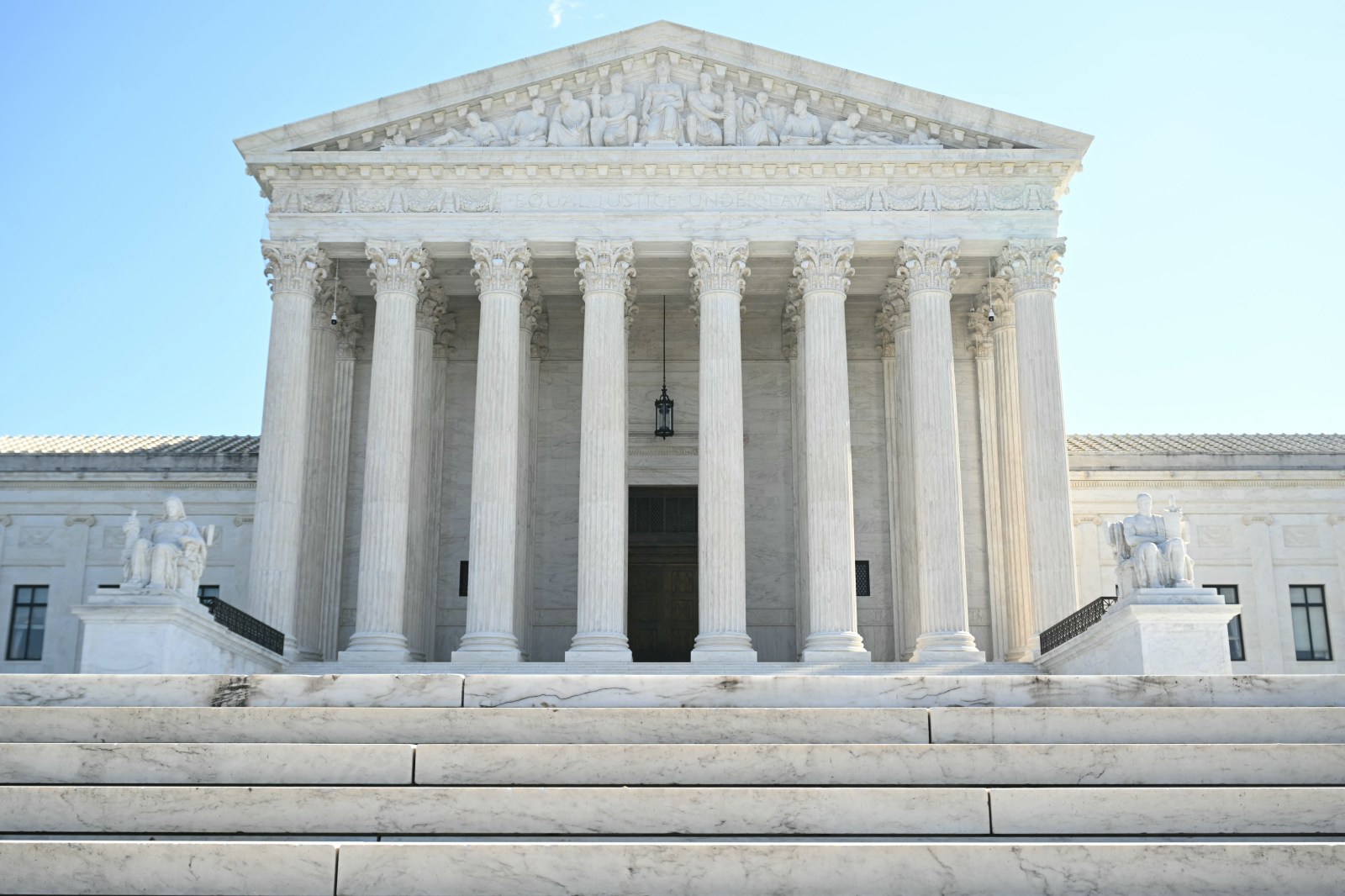
The Supreme Court has delivered a decision in favor of the Trump administration, with a 7-2 vote, in a dispute over political advertising rates before the midterm elections. This decision came through an unsigned order regarding FCC v. Brown, where the justices halted a mandate by the Fourth Circuit. That mandate required the Federal Communications Commission (FCC) to address a challenge to its policy on political advertising within 48 hours.
Background on the FCC Policy Dispute
The contention revolves around the FCC’s “lowest unit charge” regulations. These rules compel broadcasters to offer reduced advertising rates shortly before elections. Four Democratic candidates, Sherrod Brown, Jon Ossoff, Roy Cooper, and Kristen McDonald Rivet, contested the FCC’s guidance. They argued that extending these discounted rates to political parties engaged in coordinated spending and certain joint fundraising committees is beyond what Congress intended, as the reduction should be reserved solely for candidates.
The Supreme Court’s order stated that the Fourth Circuit exceeded its authority by requiring the agency to decide swiftly. The Court remarked that federal law mandates the FCC to process applications but does not enforce a specific time frame for doing so. On this matter, Justices Sonia Sotomayor and Ketanji Brown Jackson expressed dissent, preferring to reject the stay.
Political Advertising Rate Debate
Under federal law, political candidates have the right to a broadcaster’s “lowest unit charge” for 45 days before a primary and 60 days before a general election. In March, the FCC’s Media Bureau clarified that these discounted rates could extend to political parties involved in coordinated activities and joint fundraising committees, including non-candidate members.
Candidates Brown, Ossoff, Cooper, and Rivet contested this broader interpretation, urging the full FCC to review the guidance. While awaiting the administrative review outcome, they approached the Fourth Circuit, which initially sided with them. However, the Supreme Court intervened, stating the Fourth Circuit possibly lacked jurisdiction, as the full FCC had not yet completed its review.
Supreme Court’s Reasoning
This marks the Supreme Court’s second intervention in this saga. It emphasized that the Communications Act requires the FCC’s decision on administrative challenges before seeking judicial review. As the candidates pursued legal action while their application still awaited FCC review completion, the Court held that the Fourth Circuit might not have jurisdiction.
A subsequent request from the Fourth Circuit demanded the FCC finalize its review by October 9, allowing just 48 hours. Responding, the Supreme Court stated this interference disrupted the FCC’s decision-making process, labeling the writ of mandamus as a “drastic and extraordinary” measure. It underscored the unjust nature of forcing the FCC to conclude its deliberations on a rushed timetable.
The Court expressed concern over the FCC potentially facing irreparable harm should the stay be denied, as adhering to the accelerated schedule would hamper their ongoing review. Justices Sotomayor and Jackson dissented, yet provided no written explanation for their perspective.
The stay persists while awaiting Supreme Court review. Should the Court decline, the stay ends; if accepted, it remains pending judgment. Notably, the decision does not address the entitlement of political parties to the lowest advertising rates.
Implications for the Midterm Elections
The ruling allows the FCC to sidestep the Fourth Circuit’s expedited schedule, thus maintaining its current interpretation regarding political advertising rules. This has considerable implications for the November 3 midterm elections, with political parties and joint fundraising committees continuing to benefit from discounted rates alongside candidates amidst ongoing litigation.
Republican-affiliated groups like the National Republican Congressional Committee have supported the FCC’s interpretation, while the Campaign Legal Center, siding with the Democratic candidates, argues extending candidate discounts to joint committees may invite super PAC funds to exploit rates intended solely for candidates.
The Supreme Court did not conclusively determine the accuracy of the FCC’s advertising law interpretation. Its recent ruling solely addressed whether the Fourth Circuit could compel the agency to expedite its review within 48 hours. Thus, the central question regarding entitlement to reduced political advertising rates remains unanswered.
For further information, contact Newsweek editors Matthew Cannon and James Debens.