Supreme Court Denies Missouri’s Appeal on Congressional Map
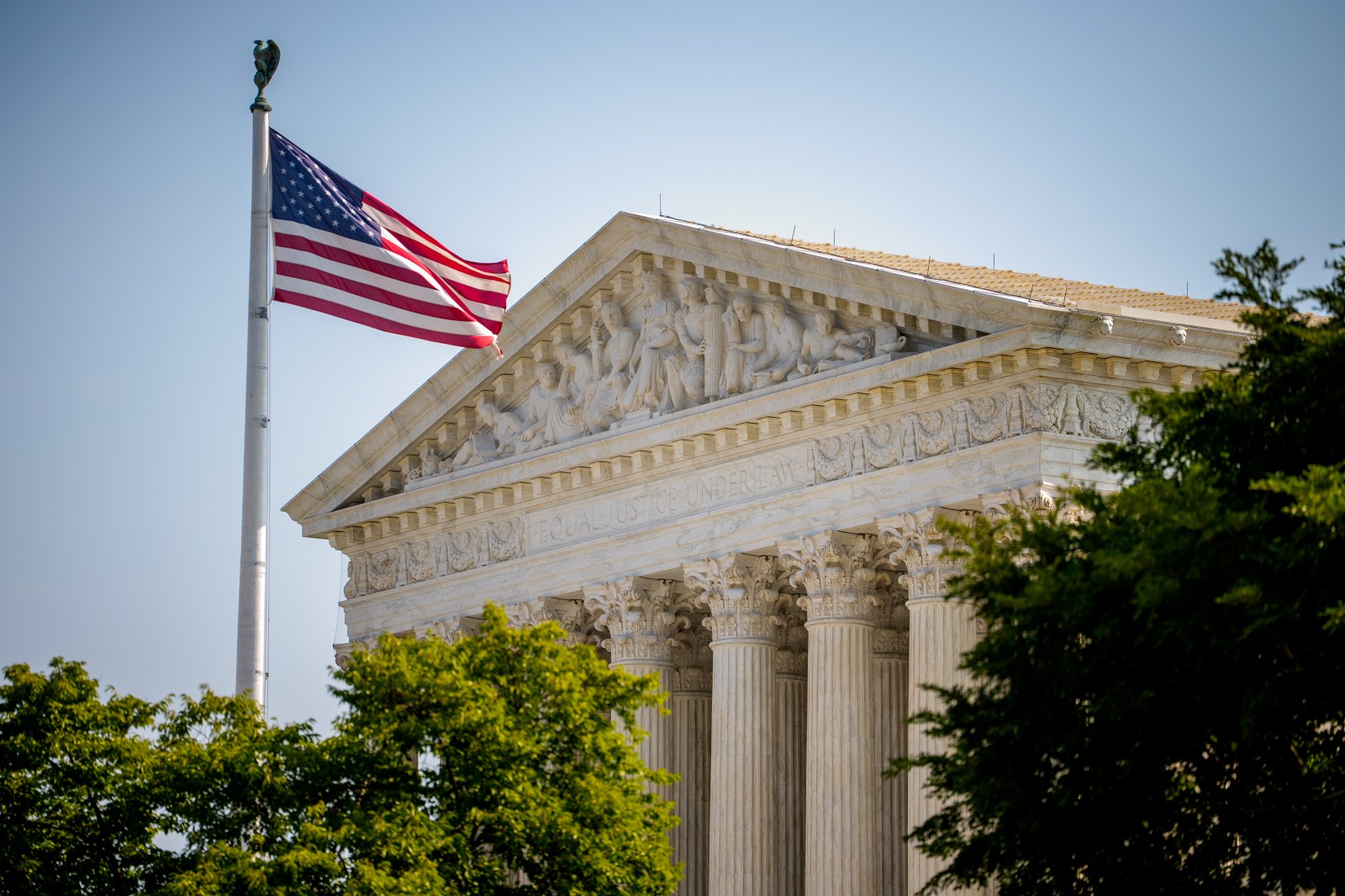
The United States Supreme Court rejected an appeal on Tuesday from Missouri leaders who sought to implement a congressional district map for the upcoming midterm elections. This map had already been used in recent primaries and was supported by President Donald Trump. The case has gained attention due to concerns over how late in the election cycle courts can modify congressional maps and the implications for voters participating in primaries.
Missouri State Attorney General Catherine L. Hanaway expressed her concern, stating that a ‘federal-election-administration disaster’ might unfold in Missouri if the map change occurred so close to the midterms. Despite these arguments, U.S. Supreme Court Justice Brett Kavanaugh denied Missouri’s request to maintain the new map, effectively upholding the state’s Supreme Court decision to use a map from 2022 instead.
The Missouri Supreme Court made the right call in this case,said Abha Khanna, a counsel involved in the case. She noted the decision supported the state constitution’s clarity on who decides if a congressional map can face mid-decade changes prompted by President Trump’s request.
This decision is seen as a triumph for democracy, giving a voice to thousands of Missouri residents. The ruling may set a precedent for similar cases across the country, where both Democratic and Republican states are attempting to adjust their congressional maps.
Background on the Case
In September 2025, the Missouri legislature passed House Bill 1, which introduced a new congressional map. The move received approval in both legislative chambers before Governor Michael Kehoe signed it into law. Missouri employed this map in its August 2026 primaries, where about 1.2 million voters participated.
After the new map’s adoption, the group People Not Politicians, led by Richard von Glahn, began a campaign to subject the plan to a statewide vote through a referendum. The legal challenges quickly escalated, debating whether Missouri’s referendum procedures could apply to congressional redistricting measures.
The Missouri Supreme Court eventually issued an injunction, telling state officials to use the 2022 map. This decision overruled a lower court’s ruling and halted the use of House Bill 1.
Reasons Behind Missouri’s Supreme Court Appeal
Missouri argued that, having conducted the August primary using the revised map, altering district lines could cause voters to be placed in districts where they hadn’t participated in primary nominations. Missouri emphasized that adjusting districts at this stage would be impractical and nearly impossible. However, the Supreme Court’s refusal to intervene left the Missouri Supreme Court ruling intact.
The decision was not necessarily an opinion on the legal issues Missouri raised. It simply meant that Missouri did not receive the urgent assistance it stated was required to prevent election disruption.
Wider Constitutional Implications
Missouri’s appeal raised constitutional questions Republicans hoped would draw Supreme Court attention. They contended that Missouri’s redistricting process should remain unsuspended by a referendum petition representing only a small segment of voters.
Republicans also claimed that altering district boundaries between primary and general elections breached Article I of the Constitution and equal-protection clauses. They argued that voters who moved into new districts were treated differently.
Groups supporting Missouri’s Supreme Court ruling argued that the state’s referendum process necessitated halting the map while awaiting a statewide vote.
National Impact
This case is significant beyond Missouri as it questions how late courts can enact map changes during elections. Missouri and national Republican groups warned that state court orders requiring map alterations post-primary elections could create similar disputes in other states.
The case brought attention to the Purcell principle, discouraging significant election changes close to voting dates due to potential confusion. Though Kavanaugh did not provide immediate relief, the case underscores the dynamic between state referendums, legislative power, and election management by courts.
Consequently, Missouri election officials must adhere to the Missouri Supreme Court’s decision as candidates and voters anticipate further developments in this high-profile election-law case.