Supreme Court May Reconsider Locke v. Davey
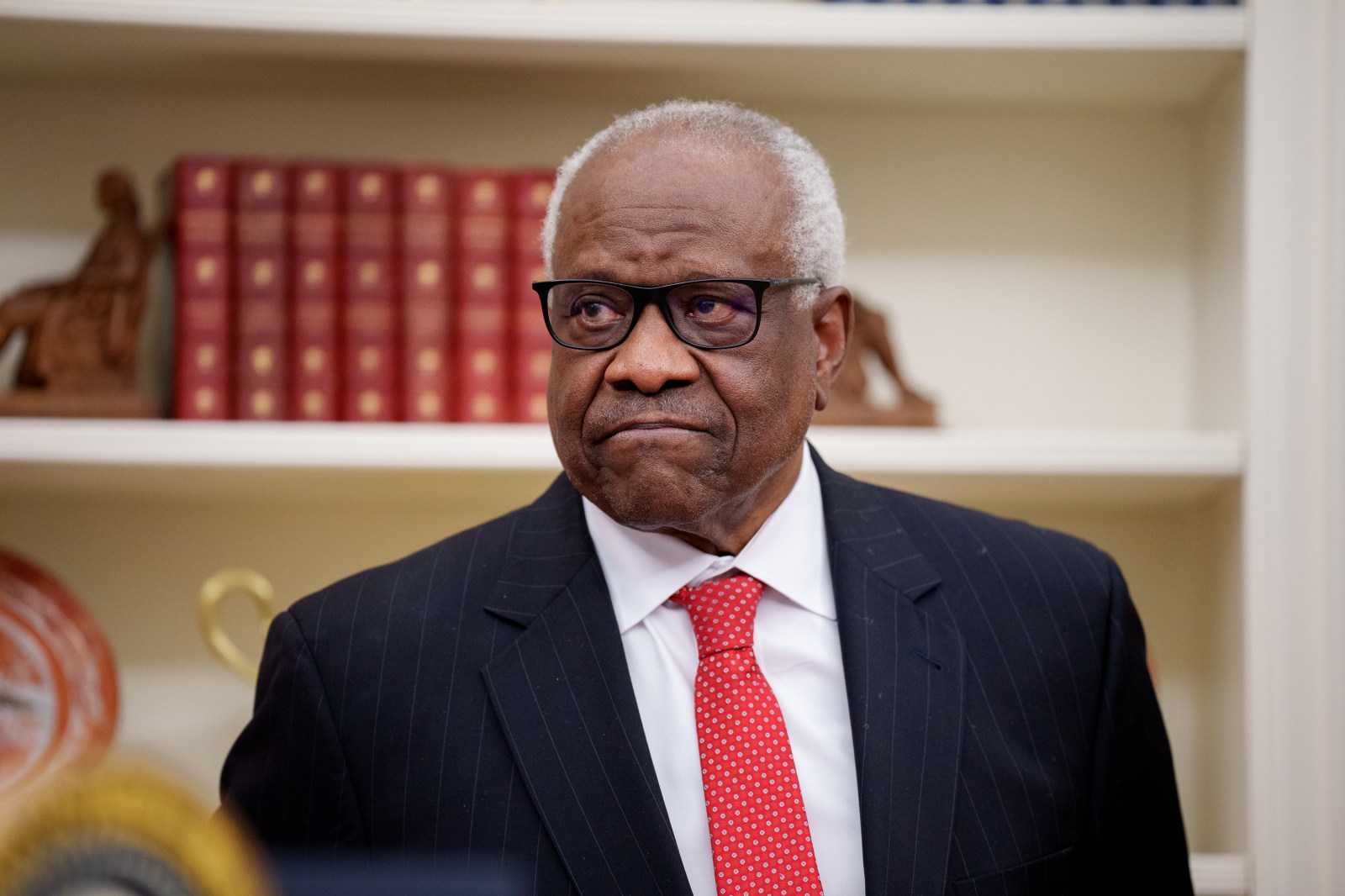
More than twenty years after Justice Clarence Thomas dissented against the Supreme Court’s decision in Locke v. Davey, a petition by Virginia college student Bethany Hall seeks to overturn the ruling. This 2004 decision allows states to deny scholarships to students pursuing ministry degrees without violating the First Amendment’s Free Exercise Clause.
Attorney Steven Fitschen, representing Hall, expressed confidence that while the Supreme Court grants only about 1% of cert petitions, Thomas will likely support revisiting the case. The court today frequently expands religious rights, and if they accept Hall’s appeal, they will consider if states can bar public financial aid for ministry and theology degrees. This could impact scholarships in Virginia and states with similar restrictions.
If the Supreme Court grants cert, they are most likely to do it to reverse the Fourth Circuit and kill off Locke,said Seth Chandler, Law Foundation Professor of Law at the University of Houston Law Center.
Who Is Bethany Hall?
Bethany Hall is a Virginia resident attending Liberty University. Initially, she qualified for Virginia’s Tuition Assistance Grant Program (VTAG), which aids residents at eligible private colleges. Despite beginning as a music education major, she switched to religious studies like Youth Ministries, making her ineligible for the grant under state rules barring funds for religious training. Hall has pursued her studies without VTAG assistance and argues in court that her First Amendment rights are being violated. Both a federal district court and the U.S. Court of Appeals for the Fourth Circuit ruled against her, citing Locke v. Davey.
What Was the Decision in Locke v. Davey?
In 2004, the court ruled 7-2 in favor of Locke over Davey. Joshua Davey, facing a similar denial, challenged Washington state’s scholarship restriction as unconstitutional. Chief Justice William Rehnquist wrote that Washington’s policy did not breach the Constitution, emphasizing the exclusion was limited to funding clergy training. Locke stands as a narrow exception allowing states to bar funding for vocational religious degrees. Hall’s petition suggests that recent rulings narrow Locke’s applicability, isolating it from broader religious-liberty cases.
Fitschen noted ongoing criticism of Locke and mentioned lower court judges have encouraged the Supreme Court to revisit it. Hall hopes her case provides a clear chance to overturn the precedent.
What Did Clarence Thomas Say in Locke v. Davey?
Justice Clarence Thomas supported Justice Antonin Scalia’s dissent against Locke, arguing that such scholarship exclusions are unconstitutional. Thomas believes theology studies don’t inherently imply religious devotion. In subsequent opinions, Thomas has consistently challenged Locke’s reasoning.
The Hall petition cites Thomas’ critiques and indicates recent significant cases, like Trinity Lutheran and Espinoza, undermine Locke’s premises.
Judge Julius Richardson of the Fourth Circuit stated Locke was wrongly decided and flawed, acknowledging lower courts cannot overrule Supreme Court precedents.
Will the Supreme Court Take Hall’s Case?
Seth Chandler suggests there’s a reasonable chance the Supreme Court might hear Hall’s case. If they do, Justices Clarence Thomas and Neil Gorsuch are expected to favor overturning Locke. While Justices Samuel Alito and Brett Kavanaugh have weakened Locke but not extensively argued against it, they may support overturning it. Chief Justice John Roberts, having penned majority opinions in related cases, remains unpredictable. Justice Amy Coney Barrett’s stance could weigh in, but Chandler doubts the court would maintain Locke if they accept the case.
Supporters of the review argue Hall’s case is suitable since lower courts agree it’s similar to Locke, allowing justices to address the existing precedent directly. States like Alabama, Florida, and others maintain restrictions similar to Virginia’s. Overturning Locke could force states to fund all majors equally or abolish the programs to avoid aiding seminary students.