Supreme Court’s Birthright Citizenship Ruling Spurs Census Controversy
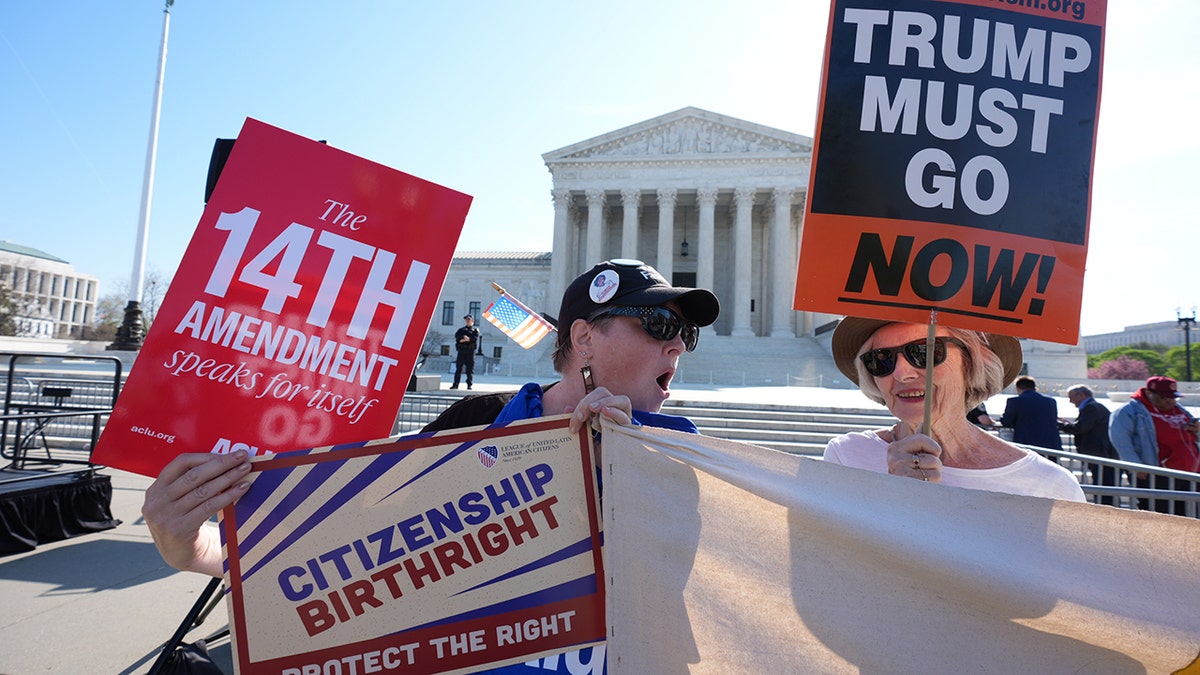
The Supreme Court’s ruling in Trump v. Barbara has sparked controversy by endorsing birthright citizenship for children of non-citizens such as Chinese birth tourists and temporary visa holders. Critics argue this decision undermines the American people’s sovereign power to determine citizenship and influences the apportionment of U.S. House seats, potentially affecting the Electoral College.
The Fourteenth Amendment and Census Implications
Section 1 of the Fourteenth Amendment grants citizenship to those born in the United States and subject to its jurisdiction, initially intended for the children of freed slaves. Section 2 dictates Congressional apportionment based on state populations. However, the government’s interpretation has been criticized. Protests have arisen over the implications of including illegal immigrants and temporary visa holders in the census count, which can skew political representation.
The inclusion of illegal immigrants and visa holders in the census has historical roots. Since the Carter administration, these individuals have been counted, while decisions like Barbara now affirm birthright citizenship for foreign children born in the U.S. Confusion persists over qualifying criteria, with temporary visa holders counted as ‘persons’ but tourists not, despite both possessing legal entry.
Legislative Proposals and Solutions
Congressional action such as the proposed Equal Representation Act seeks to clarify who counts in the census. This act aims to limit counts to citizens and lawful permanent residents, interpreting the jurisdiction clause consistently. The act aligns with past judicial understandings and aims to rectify current interpretations seen as flawed.
Presidential intervention has been suggested, with the potential for executive orders to influence census policy. However, such measures risk reversal by future administrations if not backed by legislation. Passing the Equal Representation Act would provide a durable solution and challenge the Supreme Court’s ruling in Barbara.
Wider Implications and National Security Concerns
Beyond federal representation, the census affects funding allocation for programs like Medicaid. Critics argue that counting non-citizens in the census directs resources away from citizens, a situation some states exploit. Notably, the influx of Chinese birth tourists raises security concerns. These individuals gain citizenship for their children, who could influence U.S. elections and policies.
The broader geopolitical implications extend to concerns about foreign influence, particularly by China, in American political processes. The potential leveraging of the U.S. census by foreign nationals is viewed as a threat to national security.
Following Benjamin Franklin’s assertion about maintaining the republic, advocates stress the need for legislative solutions like the Equal Representation Act to safeguard U.S. sovereignty and ensure a fair census.