Supreme Court’s New Term Tackles Key Issues
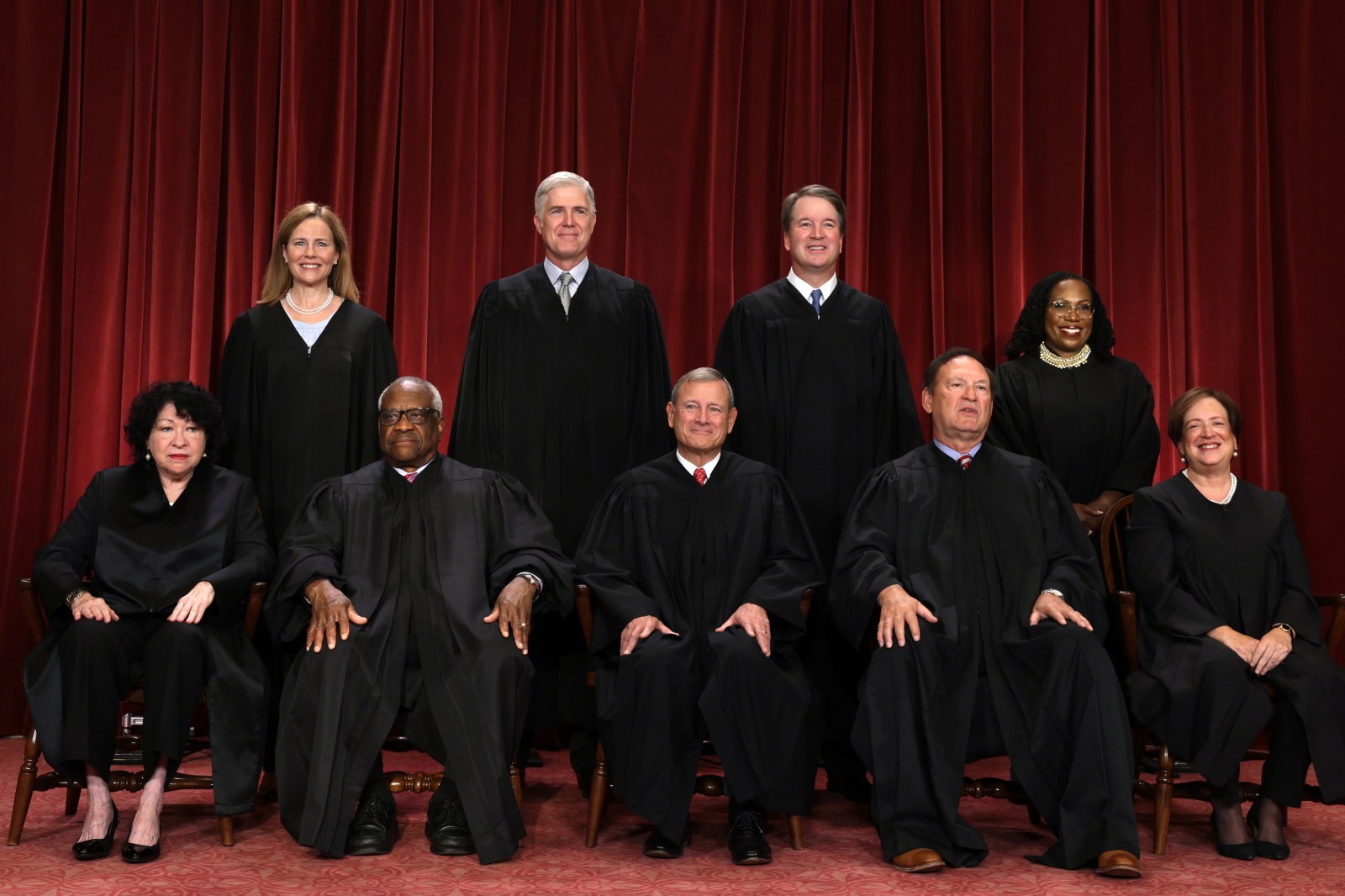
The U.S. Supreme Court begins its new session this week. The justices will address cases with significant implications for the Second Amendment, voting rights, and climate change lawsuits. These decisions are set to shape critical legal questions and touch upon key political conflicts in the coming year. This term arrives at a time when trust in the court is waning, as some polls indicate a perception of increasing political bias.
In the previous term, the Supreme Court addressed essential legal issues related to President Donald Trump’s agenda, such as tariffs and birthright citizenship. It also tackled topics like voting rights and transgender athlete participation. So far, the court has agreed to hear approximately 29 cases this term, with more expected to be added in the upcoming weeks.
Important Cases This Term
Here is an overview of three pivotal cases scheduled for this session:
Voting Rights: Republican National Committee v. Mi Familia Vota
This case involves a significant challenge to voting rights in Republican National Committee v. Mi Familia Vota. The controversy centers on Arizona election laws requiring voter-registration applicants to provide proof of citizenship and mandates the removal of voters from registers if found not to be citizens. The Ninth Circuit Court of Appeals previously ruled that federal law overrides these state laws. Petitioners from the Republican National Committee seek relief from the Supreme Court, arguing that the Ninth Circuit erred.
The court will address whether the National Voter Registration Act or a federal consent decree prohibits Arizona from requiring such evidence and from canceling registrations within 90 days of a federal election. According to Paul Collins, a professor at the University of Massachusetts Amherst, the court’s conservative majority may rule in favor of the RNC, potentially impacting American democratic processes.
Second Amendment: Viramontes v. Cook County
The court will also tackle a major Second Amendment issue in Viramontes v. Cook County. The case questions whether the 2nd and 14th Amendments protect the right to possess AR-15s and similar rifles. Petitioners argue that these rifles are in common use by law-abiding citizens and should be protected. The Cook County State’s Attorney’s Office defends this ordinance, stating that assault weapons have no place in communities due to their destructive nature.
Collins believes the conservative majority may overturn the ban on AR-15s, continuing a pattern of rulings that favor gun rights advocates.
Climate Change Lawsuits: Suncor Energy v. Boulder County
Another significant case is Suncor Energy v. Boulder County, which involves a lawsuit from Boulder, Colorado, against energy companies. The city argues that fossil-fuel production contributes to climate change, damaging infrastructure and increasing costs through extreme weather events. The court will decide if federal law blocks state-law claims seeking relief for climate-related injuries and if it has jurisdiction over the case.
Justice Samuel Alito has recused himself from this case due to a conflict of interest. Collins suggests the conservative justices will likely support energy companies. A ruling for the companies could shield them from accountability for climate change costs, impacting similar lawsuits from other municipalities.
Supreme Court’s Trust Challenge
A recent Gallup poll indicates that trust in the Supreme Court is low, with only 34% approval compared to 61% disapproval. Approval is divided along partisan lines, with 65% of Republicans approving of the court, but only 12% of Democrats and 31% of independents agreeing. The poll surveyed 1,000 adults and has a margin of error of plus or minus 4 percentage points.
Collins notes that these cases provide an opportunity for the conservative justices to address perceptions of partisanship. The Supreme Court, facing criticism for political bias, tackles significant issues such as gun violence and voting rights this term.
Justice Ketanji Brown Jackson has voiced concerns about the use of the court’s emergency docket, questioning its fairness. Chief Justice John Roberts emphasized caution in overturning precedents to protect the judicial system.
Trump’s Criticism of the Supreme Court
Recently, former President Trump criticized the Supreme Court’s decision against Missouri using a Republican-backed electoral map. He accused the court of political bias and criticized past decisions on tariffs and birthright citizenship, attributing economic damage and policy confusion to the court’s rulings.