Take Care of America’s Veterans Act Faces Uncertain Future Amid Controversy
The vote on the Take Care of America’s Veterans Act stalled in the House Thursday morning, creating uncertainty for a legislative package poised to be the largest expansion of veterans benefits in over a decade. Republican leaders withdrew the bill amid growing opposition from both lawmakers and veterans’ groups. Critics argued that expanding some benefits under the measure could threaten future disability payments for veterans with conditions like tinnitus and sleep apnea.
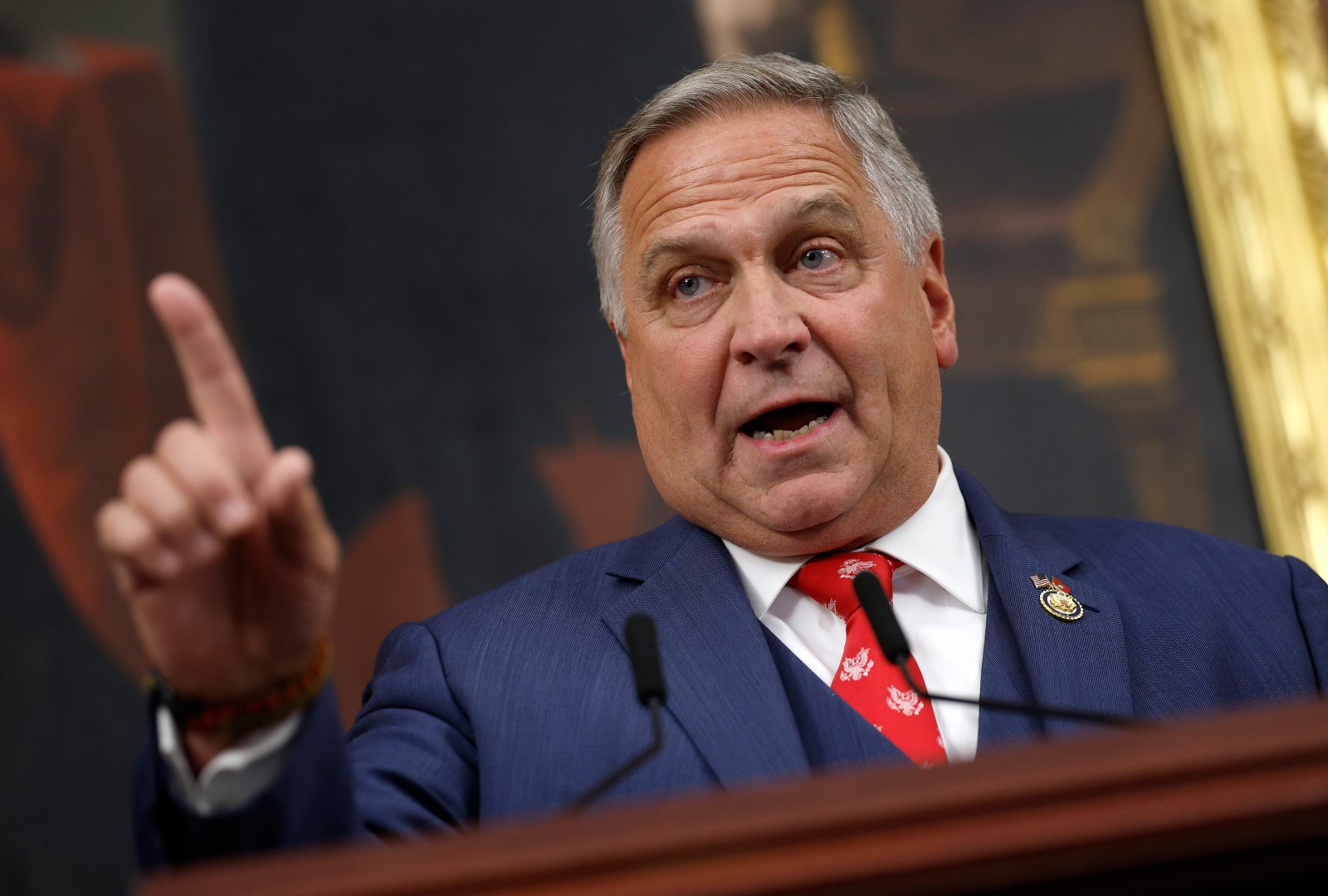
Sponsored by House Veterans’ Affairs Committee Chairman Mike Bost, an Illinois Republican, the legislation sought to enhance benefits for disabled veterans, military survivors, caregivers, and families. It also proposed changes to veterans’ healthcare and compensation programs. Bost remarked this week, “We have found a pathway to finally get these benefits and transformations done for the first time in years. It is fiscally responsible to do so.”
Contentious Legislation
The bill quickly became one of the most contentious veterans bills to reach the House floor. Major veterans organizations were divided, and there was strong opposition from some Democrats over how the new benefits would be financed. Many lawmakers have supported the provisions in this legislation for years, but disagreements over funding have stalled their progress. Proponents of the bill created the Take Care of America’s Veterans Act as a comprehensive package to advance numerous veterans’ priorities. In contrast, opponents argued against expanding veterans benefits by reducing or limiting future benefits for other veterans.
Key Provisions
Formally known as H.R. 9237, the legislation proposed amending federal veterans laws to improve benefits and VA operations, with sections on compensation, survivors’ benefits, claims processing, disability ratings, and healthcare administration. Alex Beene, a financial literacy instructor for the University of Tennessee at Martin, told Newsweek, “Some have attempted to label the Take Care of America’s Veterans Act as either ‘pro-veteran’ or ‘anti-veteran,’ but the reality is there’s more under the surface. If the House approves it in its current form, the long-term impact could be mixed.”
Key provisions include:
- Major Richard Star Act: This proposal would allow around 50,000 combat-injured veterans to receive both military retirement pay and VA disability compensation without reduction. Despite hundreds of bipartisan co-sponsors, it has faced obstacles due to its high estimated cost.
- Love Lives on Act: This provision aimed to extend benefits for military widows and widowers who remarry, addressing a long-standing advocacy priority.
- Additional Benefits Expansions: The package included caregiver support, mental health initiatives, claims-processing reforms, and numerous veterans policy changes.
Funding Debate and Future Steps
The primary controversy with the bill is its funding mechanism, relying on future changes to VA disability compensation for conditions like tinnitus and sleep apnea. These conditions represent some of the largest categories of VA disability claims, and the legislation suggested reducing compensation for veterans with these conditions. Prominent Democrats, including House Veterans’ Affairs Committee Ranking Member Mark Takano of California and Senate Veterans’ Affairs Committee Ranking Member Richard Blumenthal of Connecticut, criticized this approach.
Blumenthal and Takano argued in an op-ed for Fox News, “The Republican insistence on offsetting new investments in veterans is both absurd and cruel. The cost of war includes the human cost of caring for our veterans.” Lawmakers in favor of the bill contended that VA officials have already been considering these rating changes, and without the legislation, any anticipated savings would return to the Treasury.
Veterans groups remain divided. Organizations supporting the package include the American Legion, Wounded Warrior Project, and over 20 others. Conversely, groups like the Disabled American Veterans (DAV) and Iraq and Afghanistan Veterans of America oppose the funding offsets.
After Republican leaders collected the bill from the House floor, its future remains uncertain. This postponement might halt any realistic chance of passing the legislation before the summer ends. Kevin Thompson of 9i Capital Group noted that veterans’ opposition stems from the perception that the government is altering benefits agreements made long ago. “When someone volunteers to serve, there is an expectation that the benefits promised will be honored,” Thompson added, raising concerns over the government’s long-term commitment to veterans.