Court Orders Release of Detainee with Severe Medical Condition
Court Decision
A federal appeals court has released Raheem Fulton, a Jamaican man suffering from end-stage kidney disease. The U.S. Court of Appeals for the Second Circuit granted his bail while reviewing his legal claims. Fulton, detained by Immigration and Customs Enforcement (ICE), faces a final removal order after a burglary conviction. The ruling noted his life-threatening medical condition as a crucial factor.
DHS and Fulton’s legal team have been approached for comments. Questions about medical care in ICE custody, especially for detainees with serious conditions, are rising. DHS claims all detainees receive suitable medical care, following established protocols.
Reasons for Release
Fulton’s release followed a demonstration of substantial legal questions and extraordinary circumstances. His habeas corpus appeal, a legal process examining the lawfulness of detention, highlights his need for effective remedies. The court emphasized his serious health conditions might lead to “near certain death” if not adequately treated.
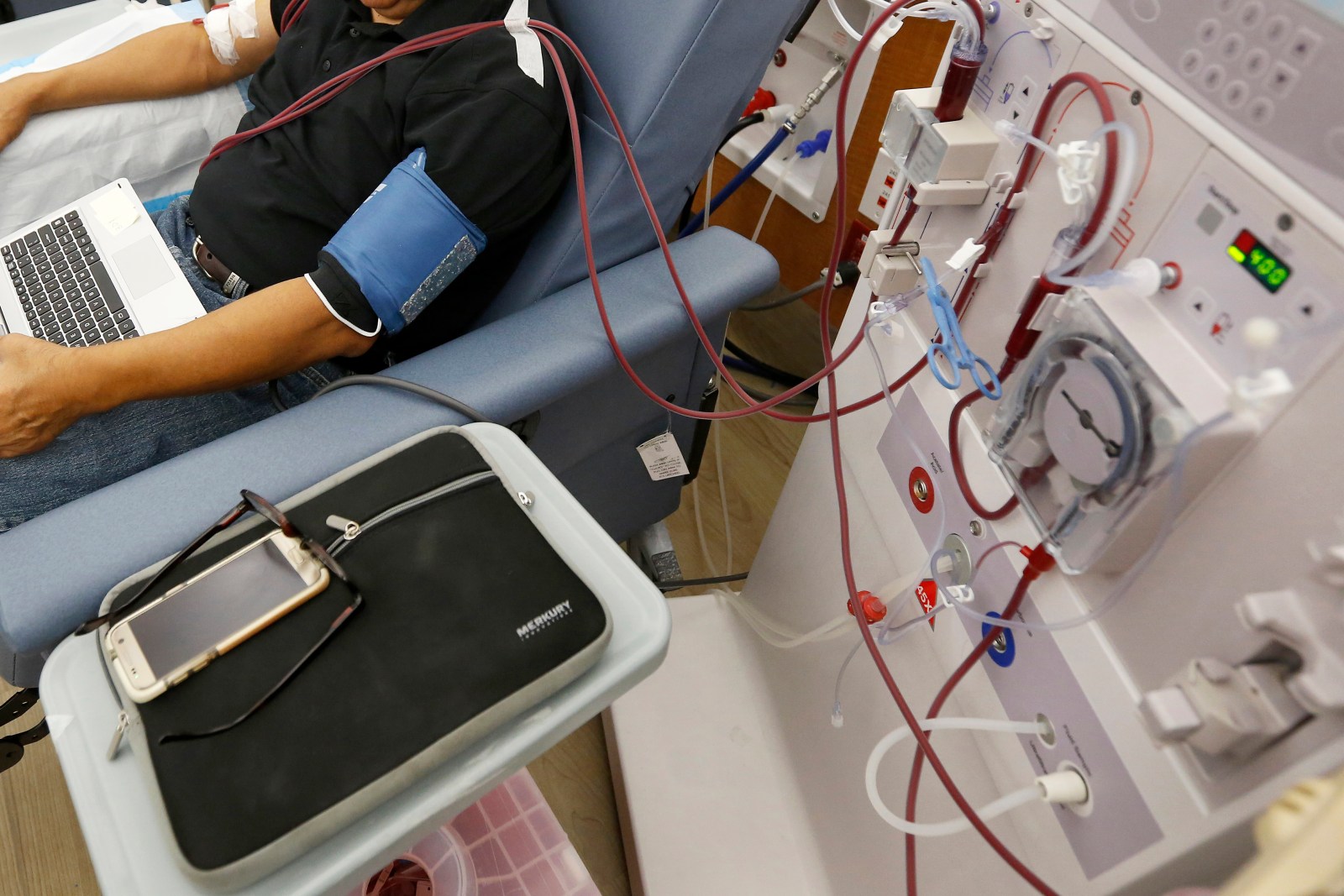
Fulton argued against inadequate medical discharge planning before deportation. A prior court panel found his complaint substantial, especially concerning his life-threatening medical condition. Evidence showed he suffered a severe episode after missing dialysis in custody. Plans for his kidney-transplant evaluation faced obstacles, as ICE declined to facilitate the process.
Fulton poses no threat to the community or a flight risk, as noted by the court. Deportation without dialysis equates to a “death sentence,” highlighting the need for effective post-deportation medical arrangements.
ICE’s Position
ICE argued that arrangements for Fulton’s medical needs were in place. The legal dispute revolves around obligations for deporting immigrants with severe health issues. Fulton insists that officials must ensure continued medical treatment before deportation. Judge Steven Menashi dissented, stating Fulton chose to remain detained by seeking a court stay against removal.
Menashi argued dialysis treatment was secured with Jamaican authorities. The dissent claimed the case focuses on post-deportation medical assurances. Meanwhile, U.S. officials had coordinated to ensure treatment availability upon Fulton’s return.
Despite arguments, judges ruled Fulton’s condition and unresolved legal matters warranted release. Conditions of release are to be agreed upon by the involved parties.
Implications
This case could affect detention practices for medically vulnerable individuals. Fulton’s appeal raises questions about ICE’s responsibilities in deporting ill detainees. Future court decisions might influence how ICE manages cases of immigrants requiring ongoing, life-sustaining treatments.
For further information, contact Newsweek editors John Fitzpatrick and Gray R. Thomas.