Taxation and Inequality: A Closer Look
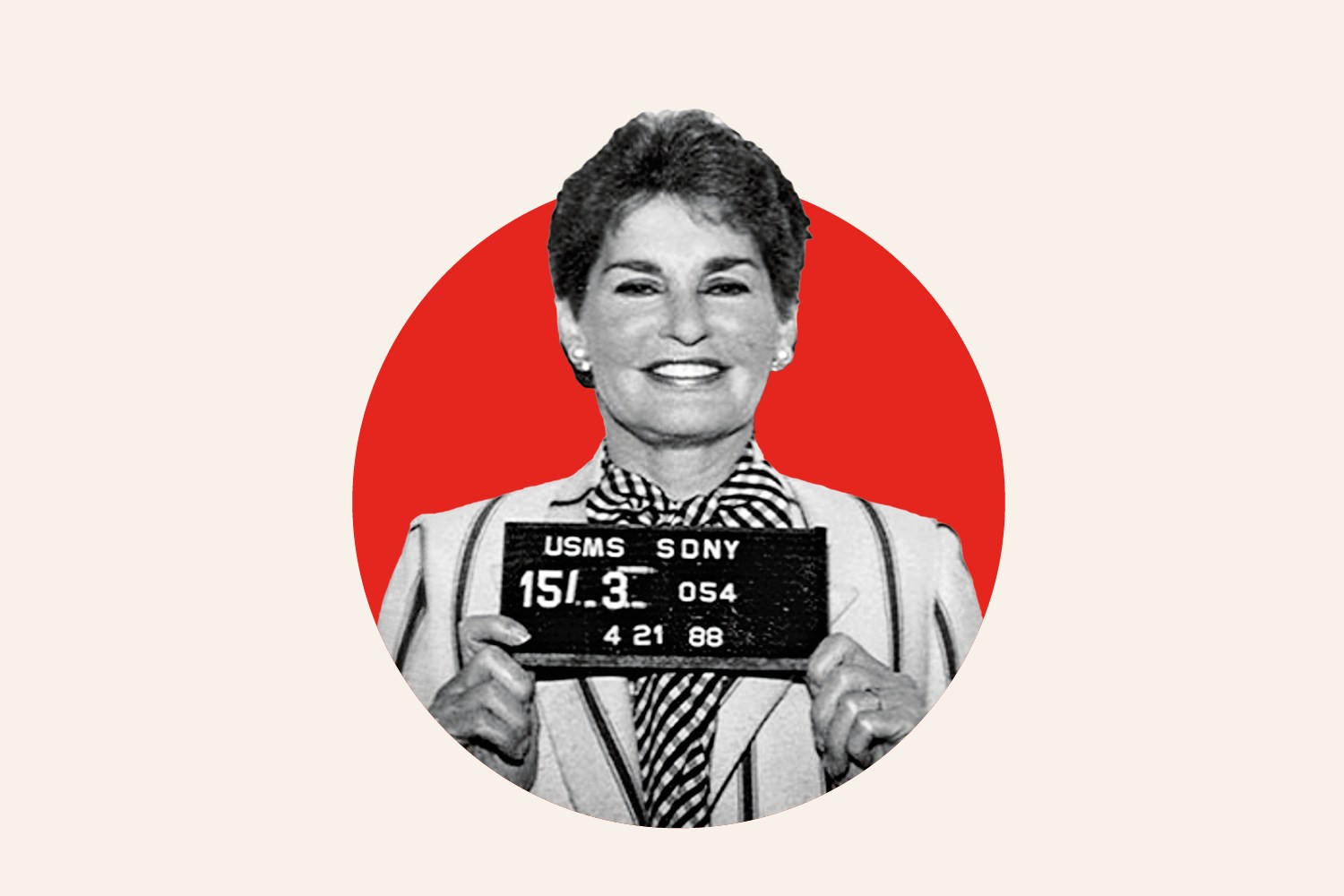
Leona Helmsley, a billionaire hotelier, is often remembered for a statement attributed to her by her housekeeper in 1989: “We don’t pay taxes. Only the little people pay taxes.” Although Helmsley denied this, she was eventually convicted of tax evasion by a jury.
This quote raises questions about the tax obligations of the wealthy. Historically, during Dwight Eisenhower’s presidency, the top marginal federal income tax rate in the United States was set at 91 percent. Similar rates existed elsewhere, such as Britain’s 98 percent in the 1970s. Ronald Reagan later reduced the U.S. top rate to 28 percent, while currently, it stands at 37 percent federally. When including state taxes, the average top rate becomes 42.1 percent. This is slightly below the European Organization for Economic Cooperation and Development (OECD) average of 43.4 percent.
Despite perceptions, European countries collect more tax revenue than the U.S., representing 34.1 percent of GDP compared to America’s 25.6 percent. This is achieved through broader taxation rather than targeting billionaires exclusively. In Europe, only three nations still impose a wealth tax.
In California, Governor Gavin Newsom and several tech leaders opposed Proposition 40, a proposed one-time 5 percent tax on billionaire wealth. Voters rejected it. Newsom’s victory highlighted divisions within the Democratic Party. Among the public, perceptions varied. While 85 percent of voters supported a billionaire tax, reactions were mixed among Newsweek Members.
“Why do we need billionaires in the U.S. at all?”
Another member expressed concern that extreme inequality threatens democracy. Historical references showed that progressive taxation hasn’t harmed anyone since 1913, humorously adding, “we have a trillionaire.”
Many readers expressed skepticism about Proposition 40. They called for a simplified tax code without numerous loopholes instead of a wealth tax. Some questioned the resentment toward the wealthy, with a Californian asking, “Why the resentment against people who have more money than you?” A Washington reader warned that wealthy individuals can relocate to avoid taxes, while another doubted the efficacy of a wealth tax.
The overarching sentiment seemed to be frustration with the current tax system, particularly the perception of unequal tax rates. In 2021, a study by Biden White House economists revealed that the wealthiest 400 American families paid an average federal income-tax rate of 8.2 percent when unsold stock was considered income. Critics argued that including corporate taxes raises this rate to around 23 percent.
These disparities fuel debates over taxation and inequality. Democrats face the pressing question of aligning with the interests of everyday Americans over the elite in the years to come.