Tensions Rise at the Morocco-Spain Border after Mass Migration
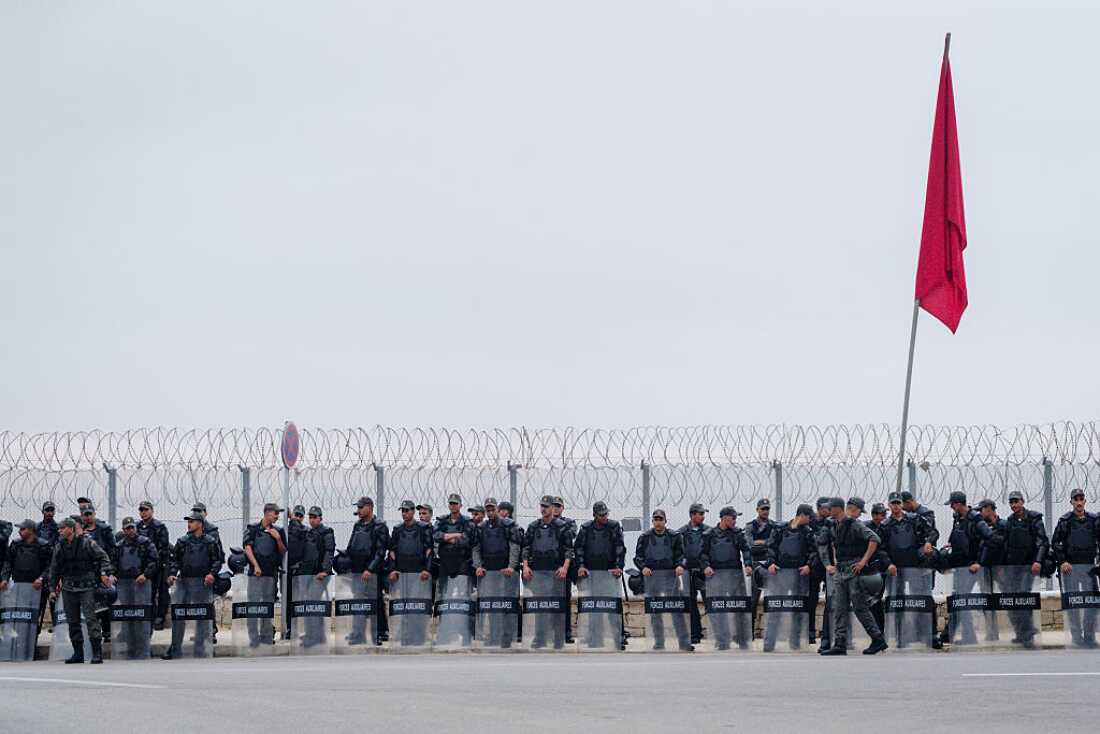
In August 2026, heavy police and military presence marked the border between Morocco and Spain in Fnideq, Morocco. This followed a mass crossing in Ceuta on July 30, leaving over 140 migrants dead. Spain aims to close this chapter, claiming most of the 70,000 migrants returned to Morocco voluntarily. Yet, many, including minors, remain in Ceuta, where locals adapt, some providing help, others forming watch groups, or, like Juanjo Coronado, avoiding going out.
Juanjo Coronado reported that he felt conditions were worsening since the crossing. Images of the event, occurring amid Spain’s largest wildfires, stunned Spanish leaders and stirred division in the European Union. Figures like President Donald Trump and Italian Prime Minister Georgia Meloni criticized the event, framing it as a dire warning against immigration surges.
The Shock of July 30
Residents Teresa Pardo and Juanjo Coronado, lifelong inhabitants of Ceuta, witnessed the unusual nature of the event. Ceuta, a 7-square-mile territory surrounded by a high-tech border fence, experienced an unprecedented surge. Pardo described shortages in basic supplies and heightened security concerns. Both long for normalcy and believe Ceuta can recover.
Migratory Patterns and Responses
José Bautista of porCausa explained a pattern of migration crises instigated by Morocco for concessions, followed by a crisis, presenting itself as a resolution. On August 15, a mass crossing was suppressed by Moroccan forces, contrasting their earlier inaction.
Ceuta, alongside Melilla, has been under Spanish governance for centuries and often expresses a desire to remain part of Spain despite Morocco’s claims. Bautista calls these cities “de-facto islands,” impacted by increasingly controlled borders since the 1990s.
“The Moroccan border leverages migration control,” observes Bautista. Companies profit from border fences and use them for technology trials.
Bautista noted that European governments shift border control responsibilities to countries like Morocco, aligning with its territorial ambitions regarding Ceuta, Melilla, the Canary Islands, and Western Sahara.
The July 30 Events
Soraya Aybar Laafou, a journalist in Casablanca, observed rising interest in crossing through social media in June. This interest culminated in a mass crossing marked by Moroccan law enforcement’s conspicuous absence, a situation she believes has altered Ceuta’s history.
Aybar reported the surprising ease with which people crossed, highlighting the lack of enforcement. Spanish and Moroccan officials blamed human trafficking networks and social media, although those who crossed were ignorant of such narratives.
Challenges and Numbers
Journalist Barbara Ayuso, upon returning from Ceuta, challenged government reports. She cited estimates suggesting 8,000 migrants remained from the July 30 event. Inadequacies in aid, shelter, and security, especially for vulnerable groups like Moroccan girls, remain. Public discontent has risen, with citizens demanding more government action.
Government efforts face diplomatic constraints. They aim to maintain stability with Morocco while addressing local challenges. Residents criticize national leaders for their perceived inaction, calling for accountability.
The Pegasus Allegation
Ignacio Cembrero, a veteran journalist, linked the border event to an intelligence retaliation involving Pegasus spyware. He pointed to a recent investigation into Pegasus use by Moroccan intelligence to attack Spanish officials, possibly sparking a political response from Morocco.
Cembrero’s stance connects Morocco’s alleged overreach to pressure stemming from the Pegasus scandal. However, his views are not widely acknowledged as universally applicable. International perspectives like Riccardo Fabiani from the International Crisis Group suggest the issue’s complexity often obscures definitive attribution. The incident underscores the need for balancing migration control, international diplomacy, and humanitarian response.