The Challenges of Combating Ebola in Eastern Congo
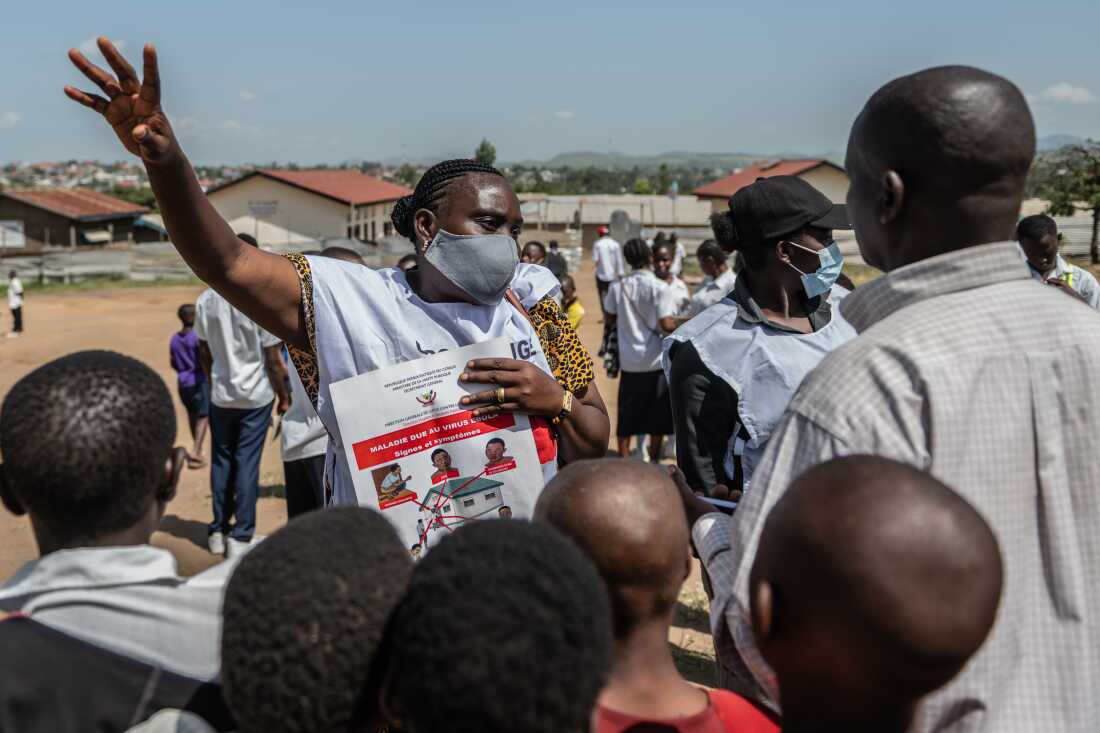
In the midst of another Ebola outbreak in Bunia, Congo, Red Cross volunteer Vanny Birungi faces significant challenges. Each day, she works tirelessly to raise awareness about the Bundibugyo strain of Ebola, a rare type with no available vaccine or treatment. Trust is hard to earn in this community, where mistrust and violence are common.
Facing the Threat
With nearly 1,000 suspected cases, Birungi encounters hostility from locals who sometimes respond with stones and harsh words. The volatile region increases the danger for aid workers, as residents struggle with security threats from armed groups.
“Trust is almost as important as the health response,” said Heather Kerr of the International Rescue Committee.
Many locals view Ebola with skepticism. Pierre Basola, a resident of Bunia, voiced his distrust, attributing Ebola to a foreign invention.
Violence and Outbreak Progress
Recent attacks on healthcare facilities have disrupted efforts to control the outbreak. Young men stormed a hospital in Bunia, and locals set a Doctors Without Borders tent ablaze in Mongbwalu. Such actions compromised patient care and allowed potential virus carriers to flee.
Preventive measures, such as avoiding contact with bodily fluids, are critical. Yet, these interfere with traditional mourning rituals, deepening local resentment.
Healthcare Workers at Risk
Healthcare workers and families face the highest risk from direct contact with patients. WHO Director-General Tedros Adhanom Ghebreyesus highlighted the rapid spread of the epidemic, saying over 900 suspected cases and more than 220 deaths are linked to the outbreak. Armed conflict in the region complicates travel and aid responses.
The Struggle for Resources and Trust
Infections among healthcare workers have further strained efforts. Reports indicate responders have died, including a Congolese doctor in Rwampara. Neighboring Uganda, with far fewer cases, has also seen infections among health workers.
The Red Cross and Red Crescent Societies suspect that past mishandling of bodies might have accelerated the outbreak’s spread, potentially earlier than the first confirmed death in April. Reports suggest lingering skepticism about Ebola’s existence impacts intervention effectiveness.
The Need for Community Engagement
International humanitarian organizations, like Action Aid, emphasize the importance of community engagement. Efforts to educate and involve local communities remain crucial to control the outbreak.
Despite skepticism, both WHO and the Africa Centers for Disease Control and Prevention believe the outbreak could be significantly larger than reported. Building trust rapidly and ensuring effective community engagement are critical challenges faced by health responders in Congo.