The Empire State Building’s Airship Ambition
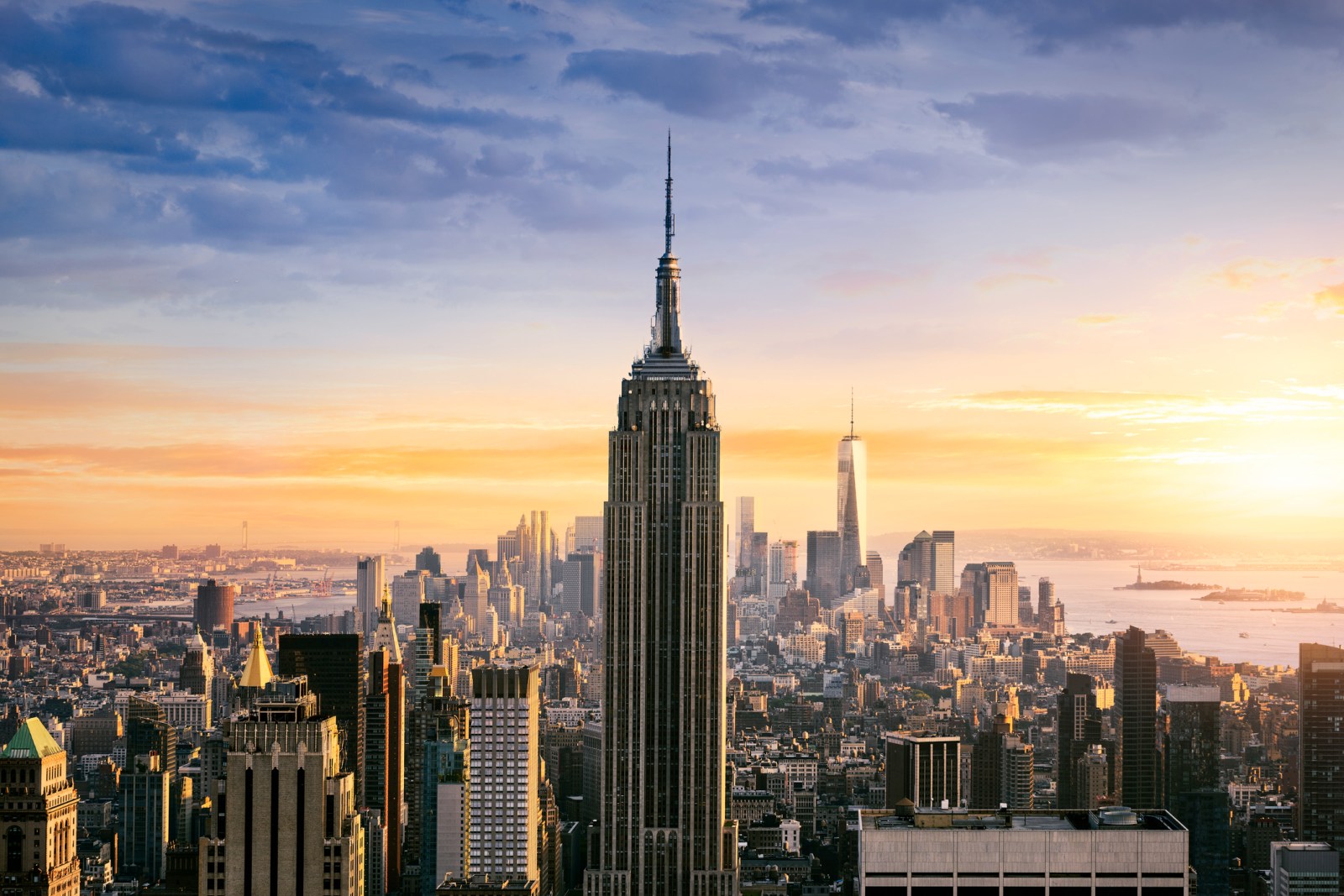
The Empire State Building stands as a key landmark in New York City today. Yet, when first envisioned nearly 100 years ago, its standout feature was meant for something unexpected: docking airships. The skyscraper’s renowned spire was originally designed to serve as a mooring mast, allowing dirigibles to dock high above Manhattan, enabling passengers to step directly from the sky into the building.
This visionary concept emerged during a brief time in the late 1920s and early 1930s. During this era, many engineers and planners saw airships as the future of long-distance travel. Although this idea never became reality, the concept remains one of the intriguing ‘what ifs’ in the annals of American architecture.
Today, this ambition contrasts with the revival of historical landmarks interest across New York City. Structures like the Flatiron Building, now being turned into private residences, and the major renovations at Penn Station are garnering renewed attention as they get adapted for modern purposes.
Designing the Empire State Building for Airships
Shreve, Lamb, and Harmon, the architectural firm behind the Empire State Building, envisioned a sleek modern design. They aimed to enable passengers to transfer directly from airships into the building. According to The Skyscraper Museum, the mooring mast was designed as “a 200-foot tall, modernistic metal tower, flanked by stylized wings clamped tight to the ribbed shaft and topped with a small octagonal room that was to serve as the embarkation point to transfer onto a trans-Atlantic airship.” Visitors were meant to arrive by airship and enter the heart of Midtown Manhattan directly.
Why the Plan Didn’t Work
In practice, the idea proved more challenging than planned. Engineers discovered that strong winds around the skyscraper’s top made docking airships difficult and risky. A privately owned dirigible only managed to attach to the mast briefly in 1931, battling winds of roughly 40 miles per hour. No other airship utilized the structure as a passenger terminal, effectively ending the project almost immediately.
The Spire’s Impact on History
The spire’s original purpose might not have been realized, yet it played a crucial role in the Empire State Building’s historical significance. By extending the tower’s height, it surpassed the Chrysler Building by about 200 feet, establishing itself as the world’s tallest skyscraper in 1931. It held this title for four decades, till the World Trade Center was constructed.
Subsequently, the spire took on a new role as an observation area, offering expansive views across New York City. As The Skyscraper Museum observes, the views from both the rooftop outdoor observation deck and the 102nd floor room—after abandoning the mooring plan—were unmatched. Thus, the summit not only became a vantage point but also a defining symbol, standing high above the city while being at its center.