The Evolving Graffiti Scene in Los Angeles
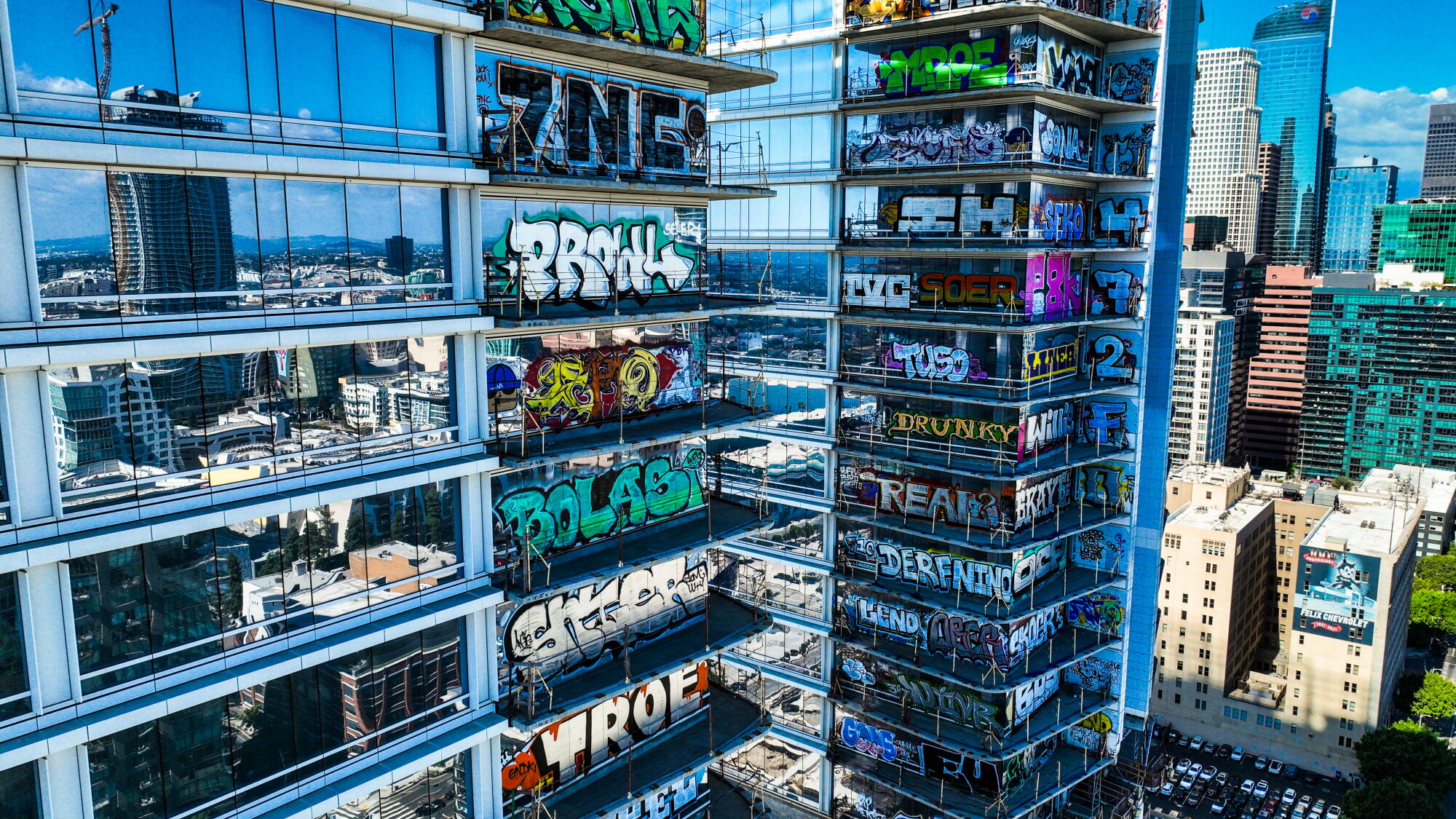
In Los Angeles, graffiti can evoke diverse reactions. Some view it as vandalism, while others consider it art. It has marked gang territories and served as a form of political dissent.
For generations, graffiti has been a fixture in the city’s landscape, despite numerous efforts to eliminate it. Currently, L.A.’s graffiti culture is undergoing significant changes. Traditional canvases such as walls, windows, street signs, lampposts, and buses are still popular. However, modern taggers are using social media and targeting high-profile locations for broader exposure. This shift has not gone unnoticed.
“The reality is that it’s become more brazen, it’s become bigger, it’s become more daring,” said Bruno Hernandez, executive director of the STP Foundation. “The norms have been changing. It’s definitely evolving, and it’s gotten bigger. I guess you could say it’s more out of control than ever.”
Taggers recently turned their attention to abandoned high-rises in downtown L.A., altering the skyline. They have also moved into the Hollywood Hills, targeting vacant mansions. These bold moves have captured media and social media attention. Hernandez and other experts believe this visibility may be intentional.
Areas with lower risks of apprehension, such as abandoned buildings, appeal to daring graffiti artists. These exploits often receive social media attention, contributing to their notoriety.
The evolution from tagging street benches to skyscraper roofs didn’t happen overnight. In the 1980s, graffiti telling of a burgeoning art scene appeared on buses and buildings. Post-1992 riots, artists expanded their canvases to burned city blocks.
“Those walls became halls of fame for graffiti writers across L.A.,” said Stefano Bloch, a former graffiti artist and current University of Arizona criminology professor.
Arturo Gonzalez, founder of the artist collective East Side of the River, noted that graffiti offered an escape while growing up in East L.A. He witnessed the evolution of how artists’ work interacts with others.
Social media allows even temporary works to live on virtually. This digital permanence, along with the quest for recognition, continues to fuel graffiti artists’ motivations.
During stalled construction of downtown’s Oceanwide Plaza, graffiti artists found an expansive, visible canvas. The exposure through social media redefined the culture.
Los Angeles’ relationship with graffiti is complex. In 2002, LAPD Chief Bill Bratton prioritized combating graffiti with a “broken windows” approach. Yet, less than a year later, a unit dedicated to graffiti was disbanded.
By 2012, legal actions against graffiti-tagging artists continued. Some cases were dismissed, and certain artists gained museum recognition.
The Office of Community Beautification has spent substantial amounts to cover graffiti without revealing specific locations. The police have refrained from commenting on these efforts.
In February, graffiti on downtown skyscrapers caught global attention. City Councilmember Kevin de León called for actions against property owners like Oceanwide Holdings. While there have been measures such as police clearance and security hires, the developer reportedly faced no penalties.
The city took action against the Hollywood Hills mansion’s owner, issuing a lien and securing the property after media coverage.
Meanwhile, mainstream culture increasingly adopts graffiti elements, often devoid of its cultural roots. Hernandez recalls a venture capital firm seeking a graffiti team-building event.
“To see a venture capitalist firm from New York come in and want to learn how to do graffiti with spray paint — on a legal surface of course — I think it’s kind of … super interesting,” Hernandez said.