The Evolving Power and Perception of the U.S. Presidency
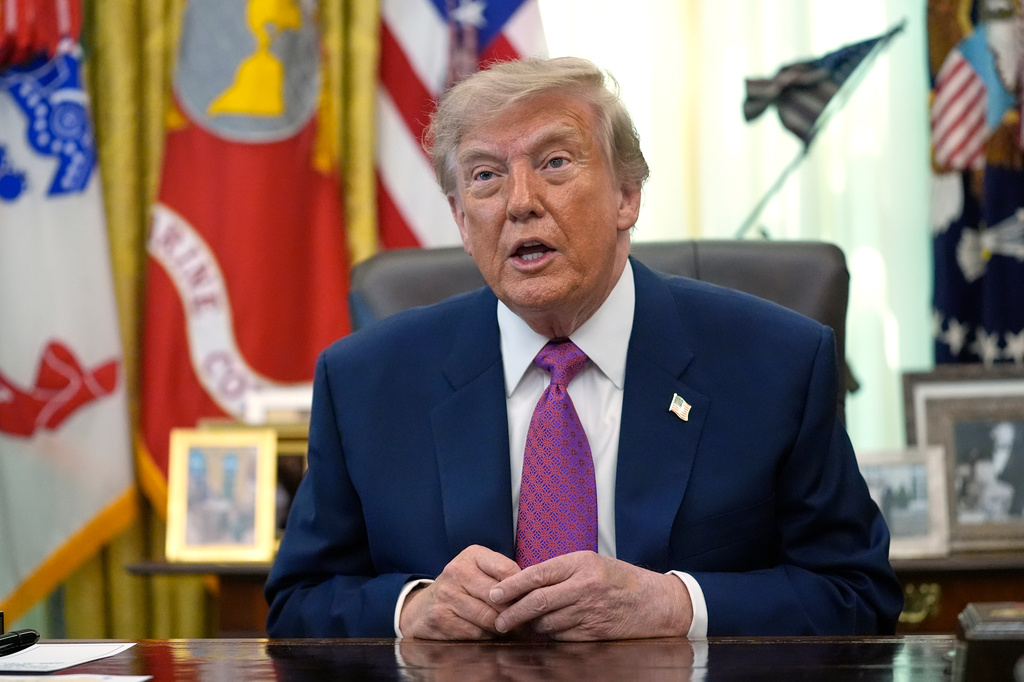
The role of the U.S. presidency carries significant weight and respect, a concept that has developed over time, especially as the U.S. emerged as a global superpower. The historical reference to President Theodore Roosevelt’s saying about speaking softly and carrying a big stick highlights the expectation of commanding respect through leadership. However, the current presidency, under Donald Trump, has shifted this dynamic in a way that prompts both attention and dismissal.
Donald Trump’s approach to communication is well-known, having been characterized by bold, unfiltered statements across various platforms including reality TV, social media, and public appearances. People resonate with his straightforwardness, frequently appreciating a leader who speaks candidly without the typical political filters. Yet, Trump’s reliance on threats and tough talk has presented challenges and brought changes, especially as he embarked on his second term with legislative and judicial support fully behind him.
Initially, Trump’s style seemed effective in reshaping policies domestically and internationally. NATO allies, for instance, responded to pressures to increase defense spending, and various sectors such as businesses and universities adjusted to avoid confrontation with the administration. Recently, however, the effectiveness of Trump’s threats appears to be waning. Opponents, both domestic and international, including nations like Iran and Canada, have started to adopt strategies of resistance rather than compliance.
Iran’s reluctance to succumb to intimidation is evident as they resist economic pressures from Operation Economic Outcast, a strategy designed to isolate them economically. Meanwhile, Canada’s reaction to a recent trade disagreement reflects broader resistance and diminished influence in diplomatic relations.
A changing dynamic within the administration may be contributing to these challenges. Previously, influential advisors tempered Trump’s rhetoric, aligning with pragmatic decision-making. Yet, the current cabinet, filled with figures who echo the president’s aggressive stances, struggles to present a coherent and effective strategy. For instance, the approach of Treasury Secretary Scott Bessent and Defense Secretary Pete Hegseth’s emphasis on military aggression has not yielded the desired respect or results.
Historically, U.S. presidents have effectively combined tough rhetoric with strategic restraint. President Ronald Reagan’s famous challenge to the Soviet Union is an example of compelling leadership without resorting to overt threats. Similarly, George W. Bush’s response post-9/11, focusing on clear communication and strategy, highlighted the importance of restraint in leadership.
In the current landscape, restraint appears absent. Trump’s disputes range widely, affecting perceptions both domestically and internationally. As both allies and adversaries increasingly dismiss his rhetoric, the perception and impact of the presidency face profound challenges.
Joslin Joseph, a Marine veteran with experience in Iraq, offers this analysis. Joslin has received the Military Reporters and Editors award for Best Commentary-Opinion, holds degrees from Harvard and Ohio State.