The Future Dynamics of College Football
Rising Concerns in College Football
The future of college football has emerged as a significant national discussion. Figures from various sectors, including college administrators, coaches, and conference leaders, are voicing their opinions. Among them is legendary Alabama head coach Nick Saban, who expressed concerns about the Name, Image, and Likeness (NIL) policy. He warned it could lead to an endless competition that might disadvantage smaller schools. Despite this, he did not address the rapid increase in coaching salaries and the disparity among institutions that frequently dominate National Championships.
Notre Dame and the ‘Super League’ Proposition
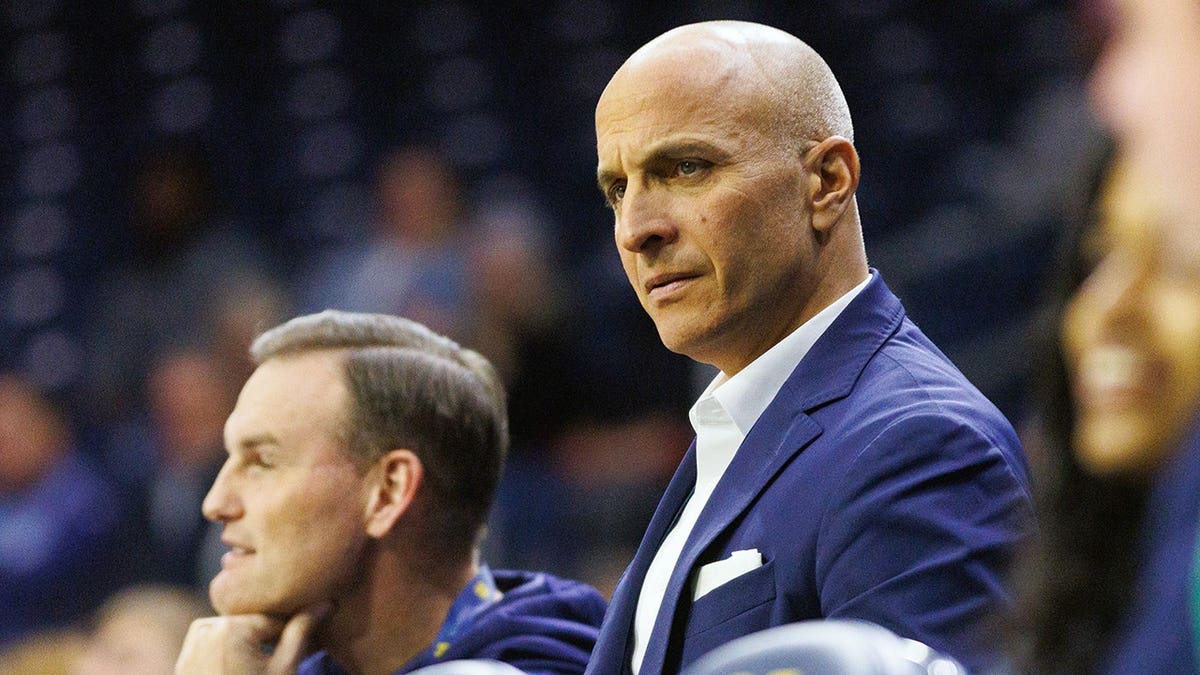
Notre Dame’s athletic director, Pete Bevacqua, recently addressed Congress, raising concerns about the potential formation of a “super league” designed to maximize media rights income. During an NCAA men’s basketball game at Purcell Pavilion in South Bend on November 19, 2025, he elaborated on this idea. He suggested that forming a league of 24 to 30 select teams could lead to competitive schedules similar to the NFL.
“If you wanted to maximize media value around college football,” Bevacqua stated, “I think you would take 24 to 30 teams, create unbelievably competitive scheduling where a team like Notre Dame would play Alabama, Georgia, Penn State, Ohio State, Michigan, and start to get a number that more closely resembles an NFL number.”
Controversial Reactions and Notre Dame’s Unique Position
Bevacqua’s remarks did not sit well with all, particularly with Illinois Fighting Illini head coach Bret Bielema. He responded critically, suggesting that Notre Dame’s unique position allows them to avoid conferring with larger leagues. Bielema’s comments underscore a key issue in college football’s restructuring: the peculiar status of Notre Dame in remaining independent.
Historically, Notre Dame has secured a distinctive arrangement guaranteeing a College Football Playoff spot if they rank in the top 12. This sets them apart from teams navigating full conference schedules. Their standalone television deal with NBC strengthens their financial advantage, allowing them to set schedules that could increase their playoff odds. This autonomy raises questions of fairness from other coaches.
Comparative Challenges and Advantages
Looking ahead to 2026, scheduling disparities become evident. Illinois faces challenging conference games against top-ranked teams like Ohio State and Oregon. Conversely, Notre Dame’s schedule includes fewer top-ranked opponents and no conference championship stress. This independence remains beneficial for Notre Dame, driving concerns about equal competitive environments.
Notre Dame’s ability to operate independently, largely due to financial and recruitment advantages, is a focal concern in potential “super league” developments. Such a shift could challenge their longstanding benefits.