The Gen Z ‘Cockroach’ Movement Challenging India’s Leadership
Understanding the ‘Cockroach’ Movement
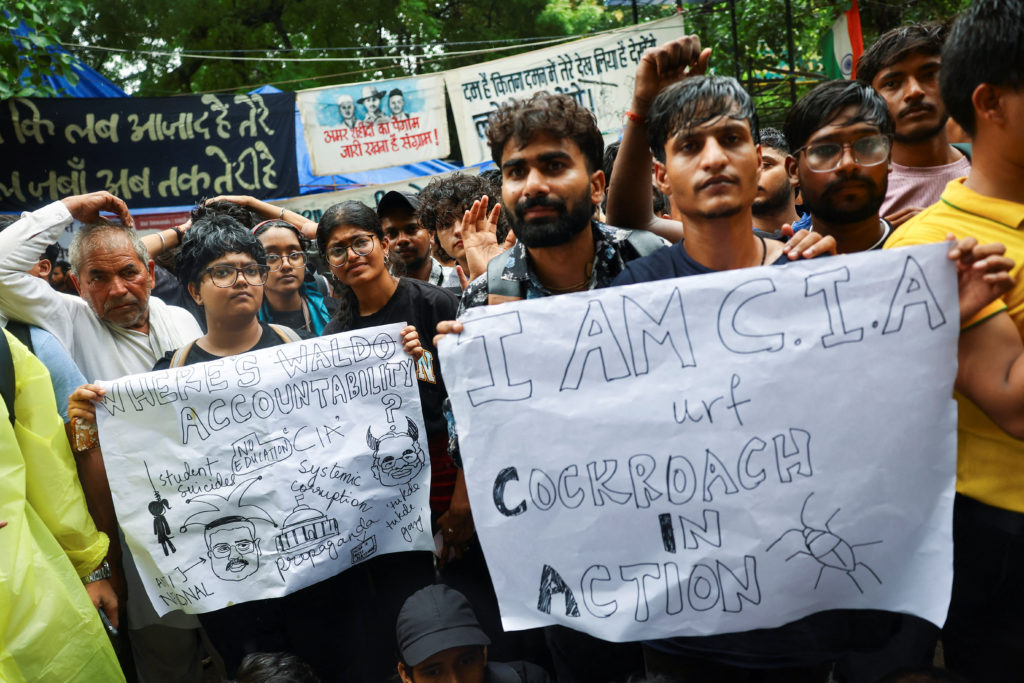
The ‘cockroach’ movement emerged from a controversial insult. During a court hearing, India’s chief justice labeled unemployed young people as ‘cockroaches.’ In response, students adopted the term. Abhijeet Dipke, a Boston University graduate, fueled the movement by suggesting unity among the ‘cockroaches’ on social media. This led to the creation of the ‘Cockroach Janata Party’ (CJP), a satirical critique of Prime Minister Narendra Modi’s ruling BJP. The CJP’s Instagram page surpassed 25 million followers, more than double that of the BJP.
Demands of the Protesters
The insult coincided with a significant issue. India’s Ministry of Education invalidated the results of an entrance exam for medical programs due to leaked questions. Two million students had already taken the expensive and challenging test. The annulment sparked outrage as these exams are crucial for social mobility in India. Activists linked the leak to at least 20 student suicides, illustrating the severe impact.
Protesters demand the removal of India’s education minister, stricter measures against those leaking exams, and compensation when tests are voided. Their broader demands include better representation of women in parliament, a more independent media system, and political accountability, including potential consequences for the election commissioner if vote tampering occurs.
Response from Authorities and Politicians
Protests have led to confrontations as CJP supporters march towards Parliament. Students reported that law enforcement used excessive force, deploying tear gas and batons. Instead of quelling protests, these actions have intensified them. ‘If the government thinks this will stop us, it won’t,’ stated student Sona Bisht, emphasizing their commitment to advocating for education and their future. The movement has gained support, with people sending supplies to protest sites through delivery apps.
Opposition leaders, including Rahul Gandhi, have sided with the protesters, criticizing the government’s approach to youth issues. Some government supporters and media labeled the protesters as anarchists, accusing them of foreign influence. Rohit Chopra, a communications professor, noted the exhaustion with labeling dissenters as anti-national, arguing legitimate critiques are being unfairly reframed.
Shift in Political Dynamics
The ongoing protests are not unprecedented. However, analysts believe this movement is unique as it directly challenges Prime Minister Modi, going beyond policy disagreement. Protesters associate the government’s actions and perceived brutality directly with Modi. The demands for accountability from Modi himself signify a notable shift in the protest narrative.
While the ultimate outcomes remain uncertain—whether the education minister will resign or the examination system will reform—one clear effect is the tarnished image of Modi’s authority. The pressing issues at the heart of the protests highlight the need for a reliable and independent media to support democracy through transparent journalism and civil dialogue.