The Healing Power of Friendship: A Personal Journey
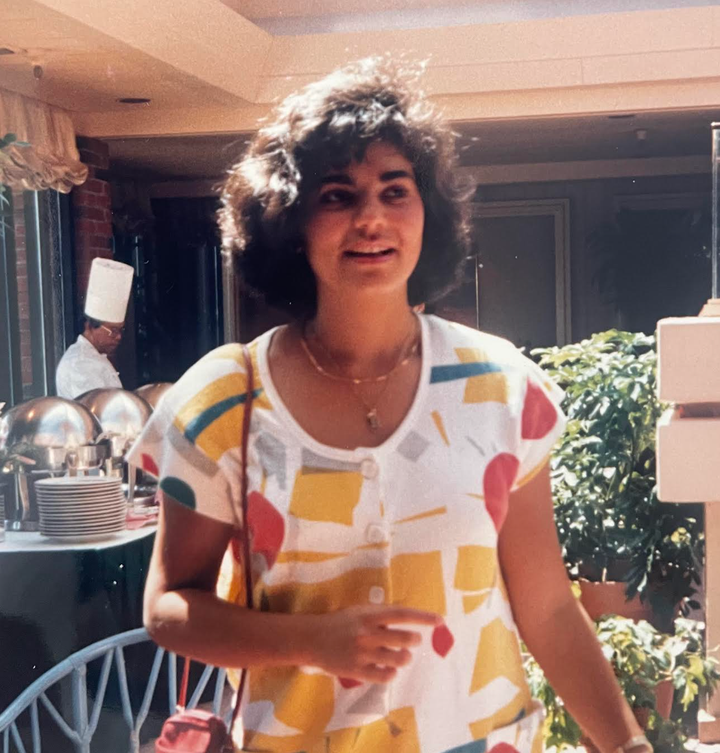
In my late 40s, life took a challenging turn. I found myself engulfed in a profound sense of loneliness and emptiness. My teenagers embraced their activities, needing me less. My husband, focused on his career, offered support without success. The smallest challenges overwhelmed me, and I struggled to recognize myself.
One day, consumed by despair, I reached out to my childhood friend, someone who had been a constant since I was 14. When she answered, her concern was immediate.
“Hey, it’s me,” I said, my voice unsteady. “What’s wrong?” she asked.
I shared the emptiness I felt each morning, a numbness that left me lost. Her response was resolute.
“We’re going to figure this out,” she insisted. “You’re coming to my house this weekend.”
Despite my initial hesitation about dropping everything and flying to San Francisco from Vancouver, I knew I had to try something new. Our friend circle included another high school friend, known for her uplifting spirit.
That weekend, we sat around the kitchen table well into the night. I poured my heart out about the complex emotions overwhelming me. Together, they helped me plan a path back to work part-time, reintroducing purpose into my life. With a year of therapy and perseverance, I found my way back from the fog.
Reflecting, it wasn’t their advice that lingered most. What mattered was their willingness to rearrange their busy lives for me. Such depth of friendship hadn’t always existed in my life.
As a child, upheaval was constant. In 1979, at age 8, my family fled the Iranian revolution. Constant moves prevented deep connections, leaving me a “third culture kid,” adjusting to new norms and often feeling out of place.
At age 14, boarding school in California introduced me to peers with similar backgrounds. We formed deep bonds by sharing late-night stories. For the first time, I felt known. These friendships are as vital to me as my marriage.
Our culture often overlooks the value of such connections, celebrating romantic ties but neglecting friendships. Rachel Goldman, a clinical assistant professor at NYU, highlights how friendships support mental health. Evidence supports her view; the Harvard Study of Adult Development underscores the importance of relationships for longevity and satisfaction over wealth, fame, or genetics. Good friendships reduce stress, instill purpose, and lower chronic illness risks.
Investing in close friendships creates authentic spaces. Many prioritize work, romantic love, and family, undervaluing friendships until later. Yet, as Goldman notes, they provide critical emotional resilience.
Imagine honoring friendships like romantic relationships — celebrating milestones with dinners or adventures. Small gestures, like coffee or walking, can be meaningful.
In my darkest times, my friends were unwavering. They recalled who I was beyond adult roles. Friendships deserve priority — they should be celebrated, nurtured, and protected.
Rebecca Morrison, the author of “The Blue Dress,” explores themes of identity, immigrant experiences, and familial relationships. Discover more at rebeccakmorrison.com.