The Impact of Federal Reserve’s Interest Rate Decision
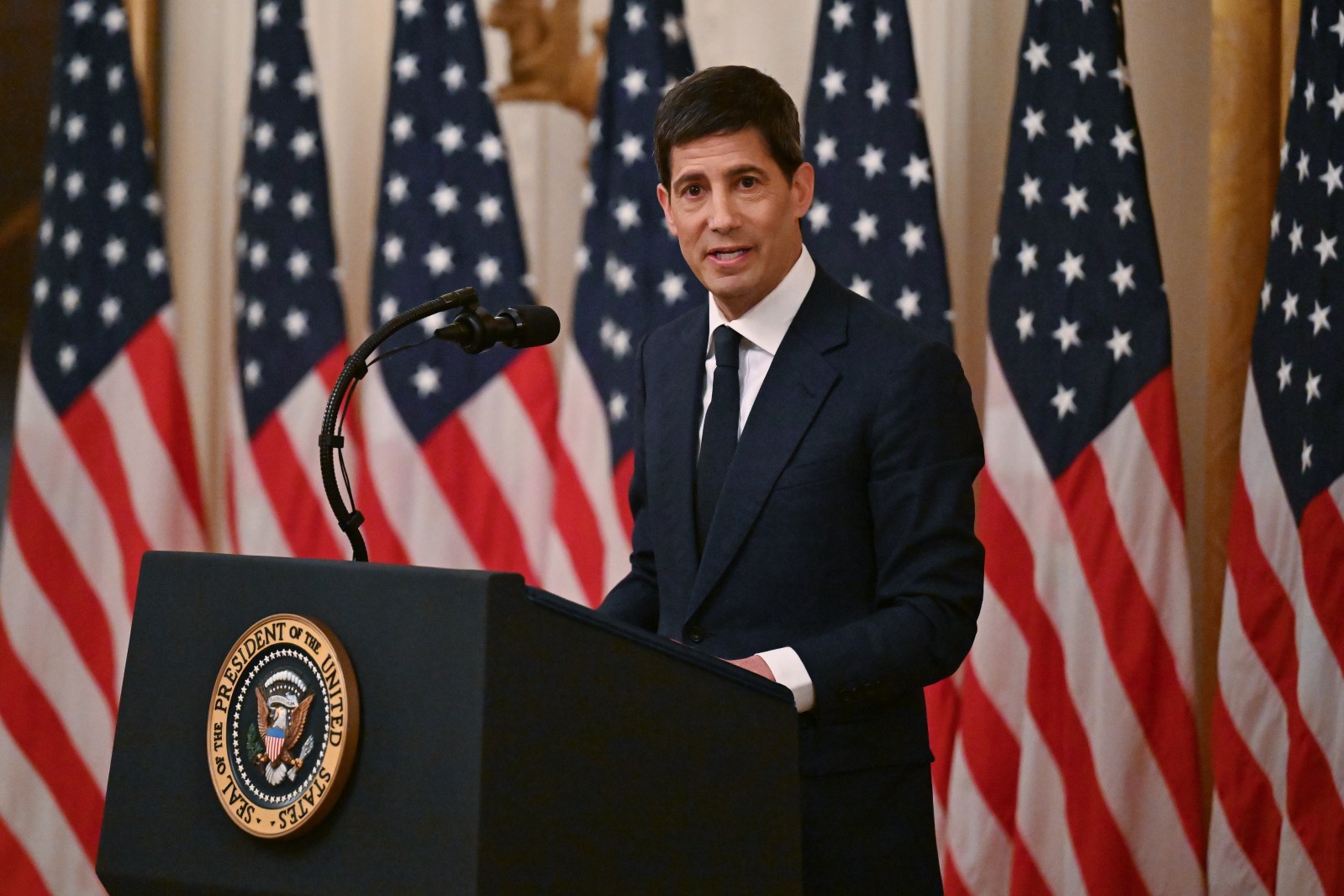
The Federal Reserve recently held interest rates steady, marking the first major policy decision under new chair Kevin Warsh. This pivotal moment comes as policymakers navigate persistent inflation pressures and uncertainty about the economy’s future. Americans are increasingly focused on the cost of living and economic direction amidst speculation of potential rate hikes later this year.
Half of the Fed’s policymakers suggested they might support a rate increase. Current projections revealed that nine of 19 officials are in favor of raising rates. Six of those officials back two quarter-point hikes due to ongoing inflation concerns. The Fed’s benchmark interest rate affects borrowing costs throughout the economy, including mortgages, credit cards, savings accounts, and auto loans.
Higher rates typically cool inflation but increase borrowing costs. Lower rates can stimulate spending and growth but may elevate prices.
Wednesday’s decision holds additional significance as Warsh assumes his role as Fed chair. Markets are interpreting this decision as they look for signals on his approach to monetary policy. As a result, U.S. stocks experienced a downturn, fueled by speculation of possible rate increases aimed at curbing inflation. Elevated borrowing costs can mitigate price spikes for consumers but may also curtail economic growth and affect investment markets.
What You Should Know
During 2026, the Fed largely maintained steady rates following cuts in late 2025. Inflation recently reached approximately 4.2%, its highest level in over three years, complicating any efforts to lower borrowing expenses.
Despite economic resilience exhibited through ample job growth and consumer spending, external factors like the conflict with Iran continue to impact conditions. Drew Powers from Powers Financial Group remarked that zero percent interest rates don’t signal a robust economy, emphasizing that borrowing should incur a cost.
Kevin Warsh’s First Press Conference
Warsh introduced five new task forces in his inaugural press conference, aiming to reassess key areas of monetary policy. He removed forward guidance from the Fed’s official statement, clarifying that current conditions don’t suit this approach.
Fed members are united in their commitment to achieving their inflation objectives.
The 5 New Fed Task Forces Explained
- Fed Communications: This team will review interactions with the public and markets, including press conferences and meeting transcripts.
- The Fed’s Balance Sheet: Focuses on examining the asset portfolio’s risks and benefits, exploring alternative frameworks.
- Use and Reliance on Existing Data Sources: Aim to modernize data collection and methodology.
- Productivity and Jobs in Transformation: Evaluates the impact of new technologies like AI.
- The Fed’s Inflation Frameworks: Examines inflation drivers and strategies for price stability.
Interest Rate Decision by the Federal Reserve
The Federal Open Market Committee (FOMC) opted to maintain its benchmark federal funds rate within a target range near 3.50% to 3.75%. Despite elevated uncertainty partly due to Middle Eastern conflicts, economic activity demonstrated solid growth. While productivity and capital investment remained strong, job gains kept pace, and unemployment rates saw little change.
Persistent inflation remains beyond the Committee’s 2% target, influenced by supply shocks in sectors like energy. Warsh emphasized their commitment to achieving price stability during a unanimously supported 12-0 vote on Wednesday.
Implications for Americans’ Finances
With rates unchanged, the Fed’s decision could impact household finances swiftly. Borrowing costs are expected to stay elevated, delaying any relief for consumers.
According to finance expert Michael Ryan, the decision signals ongoing inflation surveillance. Borrowers find no reprieve, savers lack rewards, and floating-rate debt pressure continues.
Despite Warsh’s dovish stance, his influence is limited by needing agreement from fellow Board of Governors members in current inflationary settings.
Kevin Warsh’s Stance on Inflation
Warsh carries a complex history regarding inflation and interest rate policies. Back during the Great Financial Crisis, he gained recognition as an inflation hawk concerned about rising prices. Despite this, he’s criticized the Fed for sluggish rate cuts at times, showing support for potential reductions.
Warsh previously pointed out that economic growth is restricted by flawed central bank policies, advocating lower interest rates.
More recently, Warsh reinforced the Fed’s dedication to price stability while fostering growth. This distinct balance draws market attention, as his upcoming decisions could influence tightening or easing policies.
Consumer Sentiment on the U.S. Economy
Even as economic data reflects strength, public sentiment shows weakness. Polls from the Federal Reserve Bank of New York reveal about 44% of Americans feel financially worse off compared to a year ago, with those feeling “much worse” reaching 13.3%, the highest since 2022.
Inflation persists as a top concern, ranking high among pressing issues.
Market experts highlight that the Fed rate impacts financial aspects, like credit cards and mortgages, on varied timelines and terms, posing multifaceted challenges for consumers.
Upcoming Federal Reserve Meetings
The Federal Reserve plans eight meetings annually to adjust interest rates. Their latest meeting spanned June 16-17, with the subsequent gathering set for July 28-29.
Future Implications
As the Fed shapes future rate decisions, inflation and economic growth data will be vital. Observers will assess whether Warsh’s leadership maintains a steady approach or shifts direction.
An increase in rates could result in higher costs for credit cards, mortgages, auto loans, exacerbating affordability concerns.