The Journey of the SS United States: From Iconic Liner to Artificial Reef
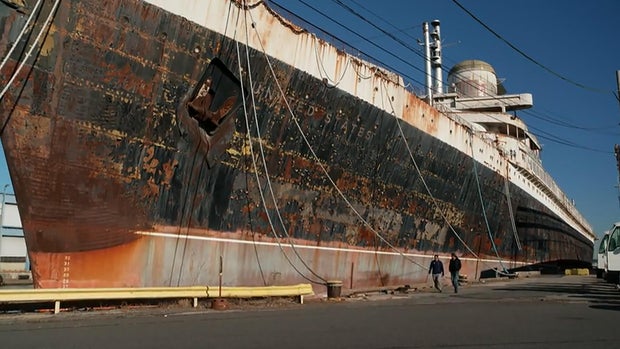
By November 8, 2026, the legendary SS United States, despite showing signs of age with peeling paint and rust, remains an iconic figure of the North Atlantic. This historic ocean liner made a mark by becoming the fastest in history. During its maiden voyage in 1952, it achieved speeds exceeding 40 miles per hour. This set a transatlantic crossing record that still stands today.
The SS United States wasn’t just about speed, though. It offered elegance and sophistication. For almost two decades, the ship carried U.S. presidents, celebrities, and many passengers. Yet, the advancement of jet travel phased out its grandeur, leading to its withdrawal from service in 1969. Since then, the ship has sat mostly untouched in Philadelphia.
Despite its neglected state, Susan Gibbs, president of the SS United States Conservancy, believes the ship still captivates. She recalls its significant contribution as a symbol of American engineering. Designed by her grandfather, William Francis Gibbs, the ship was a versatile investment, convertible to a troop ship within a day.
Today, the liner only retains its skeletal form—empty staircases, a vacant pool, and remnants of dance floors. While plans for conversion to museums and event spaces were considered, none materialized. Then, a bold idea emerged: create the largest purpose-sunk artificial reef from the SS United States.
“This will be the largest purposely-sunk artificial reef in the world,” said Alex Fogg.
Alex Fogg, Okaloosa County’s natural resources chief, sees potential in repurposing the ship to enrich marine life. More than thirty ships have already been sunk to support local ecosystems. Transforming the SS United States, however, poses unique challenges, particularly due to its size and the environmental contaminants present.
Jennifer Adams, tourism director for Okaloosa County, intends to make the ship an attraction. After purchasing it for $1 million, an additional $13 million is needed for its preparation. The vessel’s fans, including Linda Sylva and Jeffrey Smith, still hold fond memories of their experiences and feel a bittersweet farewell impending.
In 2025, the process to relocate the liner began, with crews towing it south. Its journey continued to a shipyard in Mobile, Alabama, where it underwent extensive cleaning and preparation for scuttling. This involves creating openings in the hull to facilitate its sinking and transformation into a reef.
The ship’s two iconic funnels will serve as focal points in a future museum by the SS United States Conservancy. This museum aims to preserve artifacts like the bar from the smoking lounge, honoring the ship’s history.
Though sinking may seem contrary to the ship’s original purpose, SS United States will continue to leave a legacy in maritime history. Its resting place, off the coast between Pensacola and Destin/Ft. Walton Beach, Florida, will allow it to bring life to new underwater ecosystems.
“She stood there year after year,” remarked Linda Sylva, “waiting for somebody to say, ‘Come here, you’re welcome here.’ And who is that welcome for? It’s the ocean. What a perfect place for her to rest.”