The Lifecycle and Seed Dispersal of Butterfly Milkweed and Other Plants
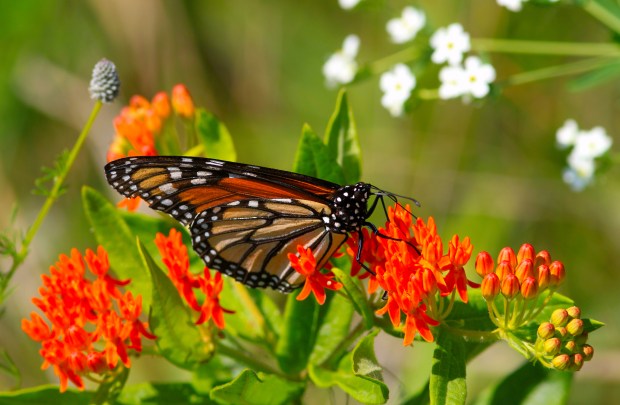
In November, butterfly milkweed no longer displays its vibrant orange blossoms. Instead, white, parachute-like strands dangle from dried seed pods. These strands hold the promise of spring through tiny, oval-shaped brown seeds. Remarkably, 4,000 seeds weigh less than an ounce.
The strength of these seeds lies in their potential to germinate when conditions are favorable. They then grow into blooms sought by monarchs and native bee pollinators. Throughout summer and fall, tiny changes occur within these blooms. Birds, insects, and the wind aid in pollinating, moving pollen from the male to female parts, leading to seed formation.
Seeds develop protective coatings, often enclosed in pods. As seeds reach maturity, dispersal begins. Recently, goldfinches in my yard began dispersing the seeds of gray-headed coneflowers. These birds perch on flower heads, eating seeds and sometimes dropping or excreting them, thus aiding in dispersal.
The seed head of the coneflower releases a soft, minty aroma more pleasing than any artificial scent.
Butterfly milkweed blooms in summer, drawing in monarchs. Various methods, such as wind, water, and animals, help scatter seeds. Jewelweed seeds burst into the air on contact, demonstrating another dispersal strategy. These plants, known as touch-me-nots, resemble impatiens commonly planted in gardens.
Milkweed seeds have a unique dispersal method. Narrow, green seed pods develop in summer. Once they mature and turn brown, they split to release numerous seeds. Each seed is connected to silky white hairs, acting like parachutes, carried by the wind to other locations.
I enjoy tossing these parachutes into the air, watching them drift. Once in soil, seeds remain dormant through winter. The natural cycle of freezing and thawing softens the seed coat, preparing it for growth. Spring rains trigger seeds to swell and release nutrients, prompting cell growth and root emergence.
This root penetrates the soil and eventually surfaces, marking the beginning of new plant life. While these processes occur quietly, they assure me of nature’s continuous magic underway.
Sheryl DeVore has served as a reporter, editor, and photographer for the Chicago Tribune. She authored several nature and environment books, and co-authored “Birds of the Midwest” with Steven D. Bailey, to be released in April 2027 by Timber Press. Reach her at [email protected].