The Role of Chicago’s Business Community in Shaping the City’s Future
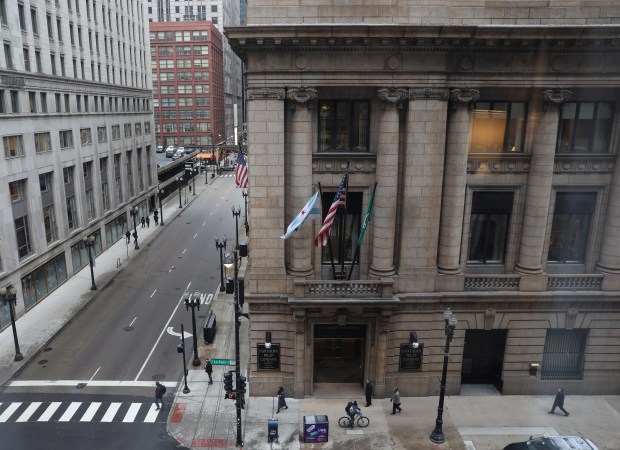
Chicago has long benefitted from a strong business community uniquely committed to civic engagement. This collaboration between public and private sectors has led to the creation of many of the city’s admired spaces, including the lakefront parks and Millennium Park. Business leaders, even those from the suburbs, have invested their resources for the betterment of the region, acknowledging their interconnectedness with the city.
Recently, the Civic Committee of the Commercial Club of Chicago issued a report titled “Growth for All.” This report is a detailed appeal timed with a significant upcoming mayoral election. It presents statistics that highlight the challenges and advantages of the Chicagoland area. While this region maintains benefits over other metropolitan areas, its growth rate has lagged behind comparable regions for over a decade. This stagnation contributes to many of the city’s ongoing political conflicts.
The Civic Committee’s document emphasizes the importance of the business community’s involvement in resolving Chicago’s issues. Despite the current mayoral administration’s adversarial stance towards corporate interests, the business community’s expertise is crucial for devising solutions. Historically, Chicago’s achievements have heavily relied on active business community participation.
Civic Committee Chair Michael O’Grady, CEO of Northern Trust, expressed a willingness to engage with various Chicago constituencies, despite challenges. His insights reveal concern about Chicago’s global reputation. He notes it has suffered, impacting perceptions amongst companies considering establishing headquarters in the city.
The Civic Committee aims to reach a city population of 3 million, a number last seen four decades ago. Chicago’s population is currently at 2.7 million. Another objective is doubling the region’s economic growth rate from 1.5% to 3%. Addressing structural deficits and investors’ fears regarding future taxes is crucial for achieving these goals.
O’Grady acknowledges Chicago’s real problems, especially pensions and mounting debt, require balanced solutions. The report “Growth for All” emphasizes the dangers of slow growth, forcing leaders to make difficult tradeoffs or raise taxes to sustain services. This dynamic has played out recently, but a newly aware City Council recognizes the need to shift from such practices.
Ultimately, the business community’s involvement is necessary for Chicago to confront its challenges openly and demonstrate resolve to the wider world.