The Role of Secretaries of State in Safeguarding Elections
Free and fair elections are essential to our representative democracy. A government designed to reflect the will of the people functions properly only if citizens can express their preferences. Elections serve this purpose.
John Lewis, a prominent civil rights leader, stated voting is a precious, powerful non-violent tool within a democratic society. Former President Reagan referred to the right to vote as the ‘crown jewel of American liberties.’ The importance of these rights remains a focal point, especially amid challenges to their integrity.
The current political landscape witnessed efforts to undermine election integrity. Former President Donald Trump continued disputing his 2020 loss with claims of illegal ballots and election rigging. These baseless accusations eroded trust in the electoral process and those who manage it.
Trump’s attempts to disenfranchise voters to prevent Democratic victories are troubling. Both Reagan and Lewis would likely oppose such actions.
Upcoming Elections and Their Significance
In November, voters in 26 states will elect secretaries of state to oversee the 2028 presidential race. This position was once considered ministerial, its significance largely unnoticed by the general public.
The office garnered attention after the 2000 election, when Florida Secretary of State Katherine Harris played a crucial role in awarding electoral votes to George W. Bush. Secretary of state roles became more politicized following Trump’s persistent allegations of election fraud.
In 2022, the America First SOS Coalition backed various candidates for secretary of state, aiming to influence election machinery. Their endorsed candidates in states like Arizona, Georgia, Michigan, Nevada, and Wisconsin failed except for one in Indiana.
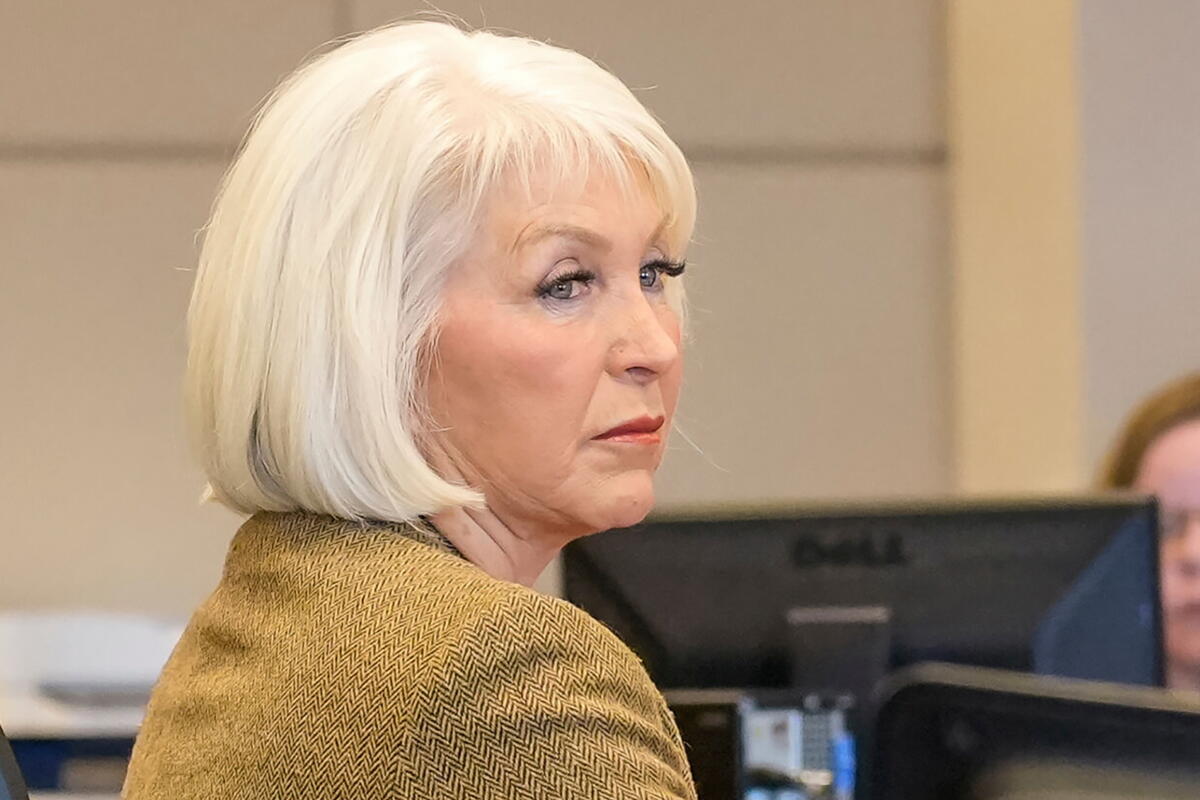
Tina Peters, a notable candidate from Colorado, faced imprisonment after attempting to breach election security despite Trump’s local victory by a significant margin.
Current Political Climate and Future Challenges
The States United Democracy Center reported over two dozen election deniers running for secretary of state positions, with six advancing to the November ballot, including in critical states such as Arizona, Nevada, and Wisconsin.
Peverill Squire, from the University of Missouri, emphasized the stakes involved. The role of secretary of state influences how election rules are administered and perceived, impacting voter accessibility and election fairness.
Nevada Republican Jim Marchant, promoting unfounded claims of election fraud, lost to Democrat Cisco Aguilar previously. Marchant continued pushing bizarre theories, targeting voting machine integrity without evidence.
In Arizona, Democrat Adrian Fontes opposed Republican Alexander Kolodin. Kolodin previously faced sanctions for pursuing unsubstantiated election fraud claims. His legal actions lacked substantial evidence, casting doubt on his abilities.
Wisconsin’s contest involves Republican Jay Schroeder’s plan to dismantle the bipartisan election commission. He openly stated he would have refused to certify Biden’s 2020 victory.
Conclusion
Amid national focus on congressional and gubernatorial races, down-ballot elections for secretary of state demand attention. Ensuring qualified and trustworthy individuals in these roles is crucial for maintaining electoral integrity.