The Avocado Industry’s Impact on San Ángel Zurumucapio
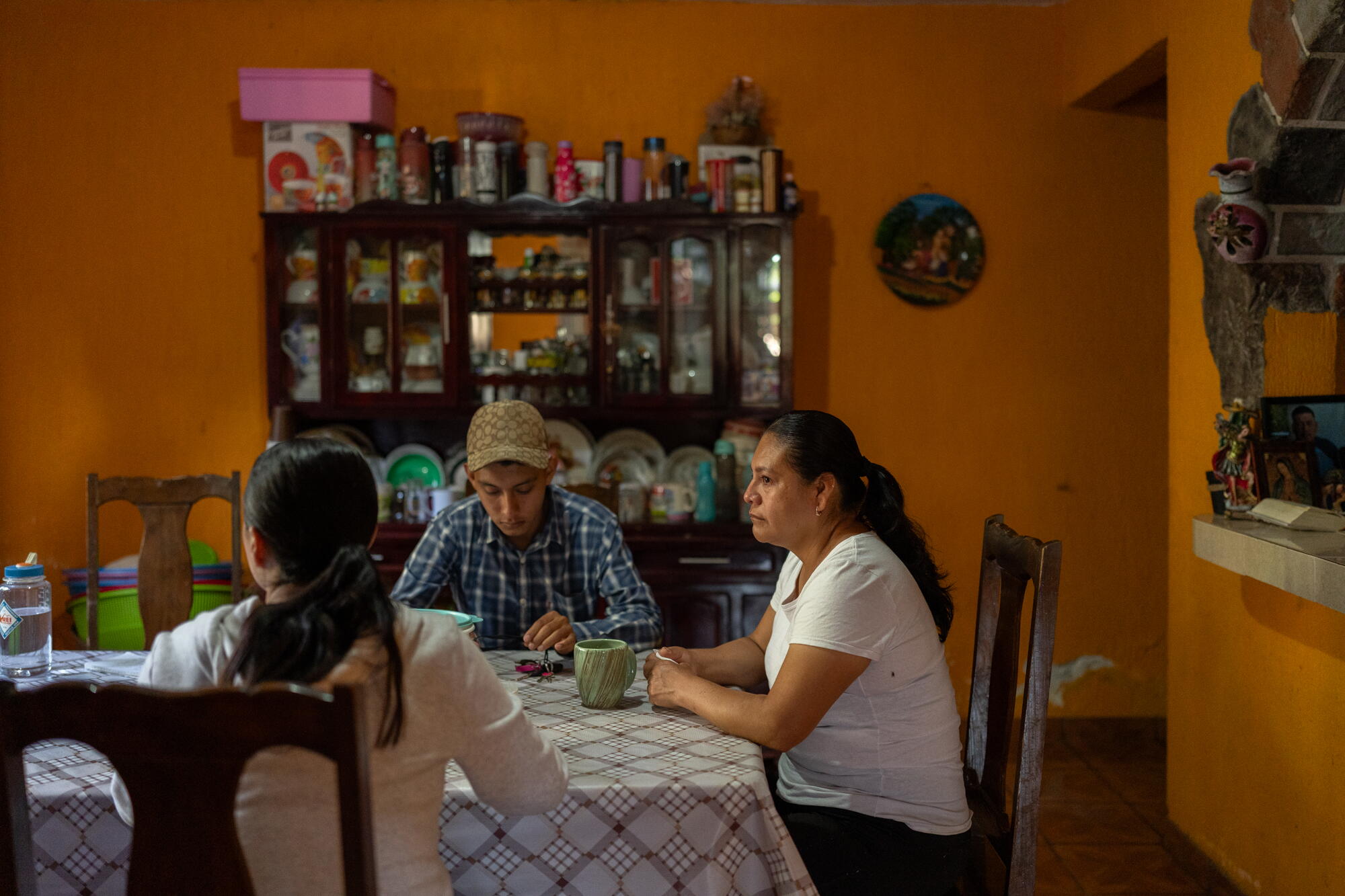
Terésa Pérez, 44, sits with her children Ana García, 24, and Óscar García, 18, in their home in San Ángel Zurumucapio, Mexico. Óscar carefully drives his truck past paramilitary checkpoints, recognizing familiar faces among the masked men armed with semiautomatic rifles. His grandfather, Francisco, 74, sits beside him, lamenting how avocados have changed everything in their once-peaceful town.
The growth of the avocado industry brought wealth to the region, but also fear. The groves that stretch across the mountainsides harbor danger. Óscar’s responsibility at 18 is to care for the family’s farm. He drives along a dirt road lined with orchards and stops at a poignant spot. “This,” he says quietly, “is where they found my father’s truck.”
San Ángel Zurumucapio is a small town with P’urhépecha indigenous roots, where everyone seems connected. It used to be virgin forest. Francisco, in his youth, rode through it on horseback, making a living from pine resin. Back then, progress seemed only possible by leaving. Francisco had gone to Texas for a time to earn enough for a house in Mexico for his 12 children. His eldest son, Pancho, followed a similar path, working in North Carolina as a teenager before returning to plant avocados.
The North American Free Trade Agreement ended the U.S. ban on Mexican avocados in 1997, transforming Michoacán into a global avocado hub. This lifted families like Pancho’s from poverty to the middle class. They built homes, bought cars, and enjoyed vacations. Avocados became a lucrative opportunity for anyone with some capital.
But the state’s climate changed due to massive avocado planting. Deforestation led to rising temperatures and less rain, attracting crime into the avocado market. Armed criminals expanded from drugs to control avocado farms, threatening violence for “protection” fees.
“We are taking up arms due to the insecurity we face day to day: the extortion, threats, assassinations, and kidnappings.”
Óscar grew up amidst this fear, avoiding shootouts and witnessing kidnappings. His father, Pancho, taught him about farming, seemingly unafraid and uninterested in owning weapons. The town’s frustration with crime led to self-governance in 2021. Political parties were banned, and locals managed town funds, forming a militia for protection.
Despite resistance, Pancho participated in guard duties. Francisco worried about the town’s militarization and its potential to provoke violence. The vigilance offered security but didn’t address broader lawlessness. Locals still ventured to nearby cities, where crime remained a threat.
On December 10, 2024, Pancho went to his orchard but didn’t return. His truck was later found abandoned. The search involved the local militia and state authorities. Few clues emerged, and the investigation stalled. The family suspects a kidnapping gone wrong, worsened by the attention drawn to the case.
Francisco ultimately asked the family to stop the search, fearing further loss. Óscar now tends the farm full-time, having left school. He finds solace in militia shifts, but his demeanor has changed, much to Francisco’s concern.
The family refuses to accept Pancho’s death. They maintain a candlelit shrine for him. For Francisco, avocados provided opportunities but also brought violence, leaving a grandson without his father.