The Scorching Summer of 1936: Impact on Dress and Lifestyle
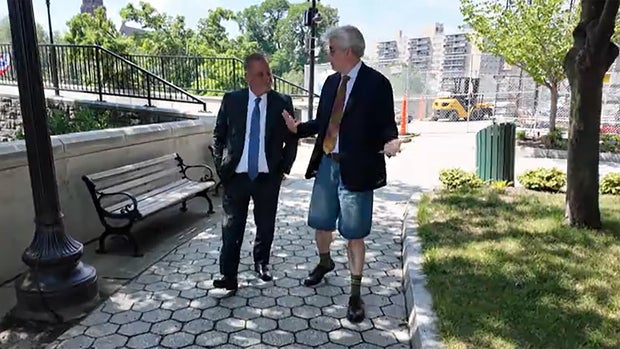
In the summer of 1936, extreme heat affected the United States drastically. The heat wave took over 5,000 lives. Geoff Williams, author of The Summer of Death, highlights cities like New York City, Baltimore, and Minneapolis where temperatures soared above 100°F for weeks.
Without widespread access to air conditioning, people found different ways to cope. Some sought relief in movie theaters or by sleeping outside. Williams described the relentless nature of the heat, making daily life and restful sleep difficult.
“All day, you’re suffering, and then you can’t sleep,” Williams recounted, emphasizing the unending discomfort.
Changing Fashion Norms
This intense heat also led to a shift in fashion norms. During this time, wearing shorts was controversial and, in some places, even illegal. In Yonkers, New York, wearing shorts or halter tops was banned by a city ordinance in 1935. Violators faced fines or possible jail time. Mayor Mike Spano remarked on the impracticality of such laws.
Interestingly, two reporters from the New York Daily News tested this ordinance by wearing shorts in Yonkers, resulting in their arrest. Their conviction was later overturned after a court case challenged the law.
Historical Fashion and Societal Changes
Changes in dress were not limited to America. Erin Black, from New York University’s Tisch School of the Arts, explained historical fashion such as pumpkin hose worn during the Elizabethan Era. Filled with sawdust and horsehair, these garments weren’t practical, particularly in summer.
By the late 1800s, shorts were primarily worn by young boys. However, British soldiers in hot climates during World War I altered their own uniforms, leading to Bermuda shorts. Women’s acceptance of shorts took longer, but World War II pinup girls like Betty Grable influenced fashion.
By the 1950s, shorter shorts gained popularity, a trend continued by figures like Catherine Bach as Daisy Duke in The Dukes of Hazzard. In the 1970s, disco reinforced the appeal of hot pants.
The Modern Era
Today, shorts are accepted in most settings, including workplaces. Mayor Mike Spano, who once faced laws against shorts, now wears them freely, as does Geoff Williams in Ohio. Reflecting on 1936, Williams expresses relief at the modern acceptance of comfortable clothing.
While contemporary summers offer weather complaints, the freedom to wear shorts remains a widespread relief.
For further insights, Geoff Williams’ The Summer of Death: The Great Heat Wave of 1936 and the Making of Modern-Day America provides an in-depth look at these historical events.