The Team Time Trial: A Blend of Physics and Physiology
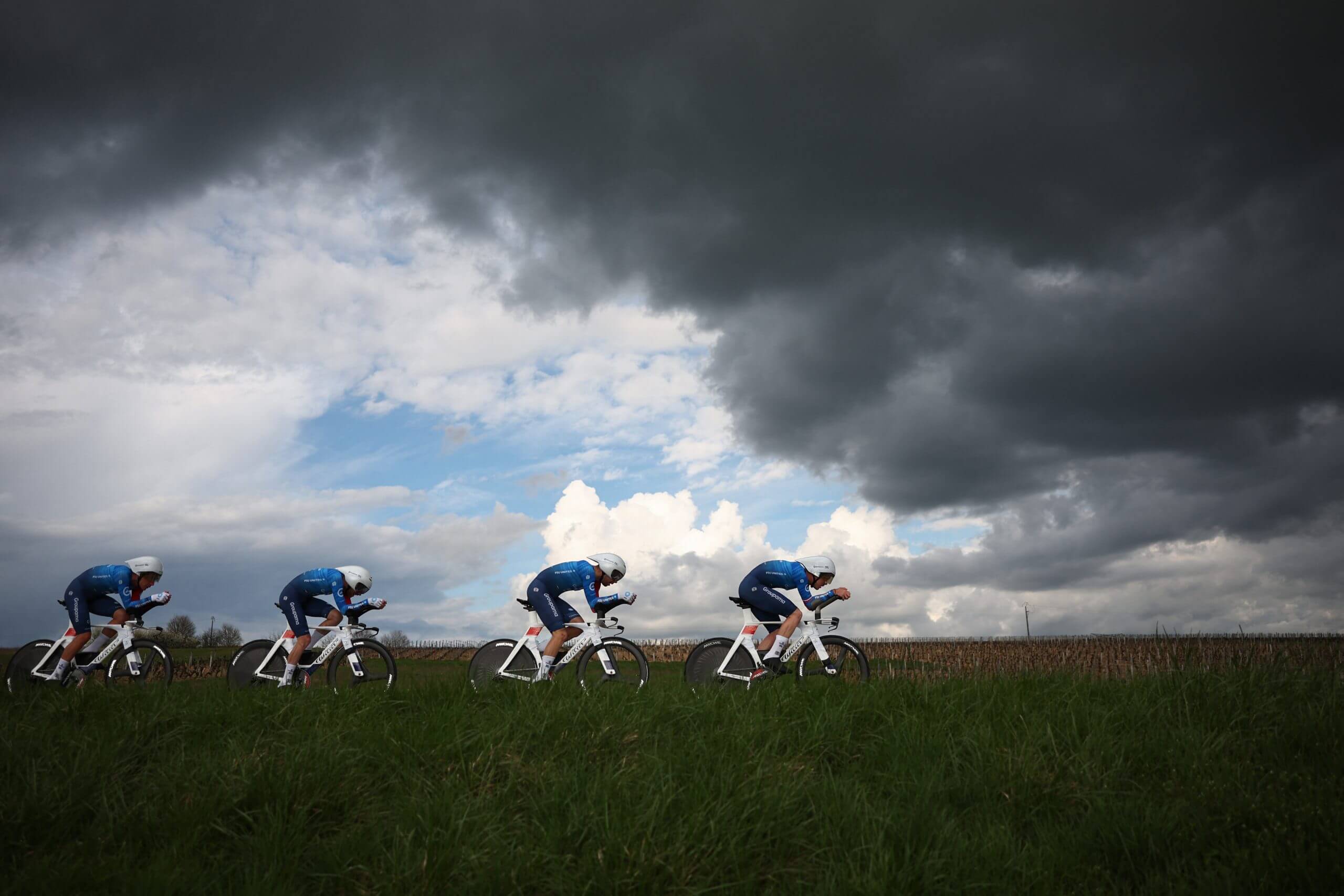
Watching a team time trial in full swing is a remarkable experience. Helicopter views show the harmonious movement of teams, while close-ups capture cyclists in aerodynamic stances with specialized helmets. Taking brief turns at the front, cyclists push the collective effort to its limits. Jacob Tipper, EF Pro Cycling’s performance coach, describes it as the purest team element in the sport.
The strain and challenges beneath the surface are immense. Each rider pushes through intense efforts that require recovery while riding. Tipper likens it to confronting a formidable opposing force, saying, “You don’t stop when you’re tired, you stop when the challenge is over.”
The Return of the TTT
The Tour de France’s upcoming stage, a 19.6-kilometer team time trial (TTT) in Barcelona, marks the discipline’s return after seven years. The clock now stops when the first rider crosses the line, instead of the fourth. This change places an individual focus on the finish, with team leaders typically at the front as the finish nears.
The route in Barcelona combines elements of physics and physiology, providing a platform for riders to excel in this intricate discipline. The TTT demands a balance of power, strategy, and teamwork, where success depends on cohesive effort and aerodynamic advantage.
Preparation and Strategy
Top teams maximize their performance through meticulous planning. Management, performance coaches, and aerodynamics experts all contribute to enhancing team strategies. Some squads aim for the yellow jersey with targeted preparation, while EF Education-EasyPost competes without extensive resources.
Teams create simulations months beforehand, often renting motor circuits for optimal conditions. These sessions allow teams to test new tech and simulate course conditions. Notable teams like Netcompany-INEOS and Groupama-FDJ perform such practices to prepare for key events.
Technical Execution
During the TTT, teams coordinate strategies down to the finest details. Rider positioning, power distribution, and aerodynamic efficiency are crucial. While advanced modeling tools predict performance, traditional experience often refines these predictions. Riders excel by feeling the course and intuitively pacing themselves.
In tight formations, communication is vital. Riders use hand signals and brief verbal cues to coordinate, backed by radio guidance from team cars. The challenge tests the limits of collaboration and endurance.
A Unified Effort
The TTT showcases the essence of teamwork. During the race, stronger riders may take longer turns, adjusting strategy dynamically to keep the pace. The Barcelona course starts flat, with a climb at the end, demanding optimal rider management.
The final uphill push demands riders hold some energy in reserve, preparing for a surge to the finish. The TTT concludes with a valued sense of team achievement. Each member’s contribution is measurable, amplifying collective success over individual victory.
While EF Education-EasyPost brings historical proficiency, the competition will be challenging. Starting the Tour strongly establishes momentum and signals the team’s serious intent to compete.