California’s Untold Role in Shaping America
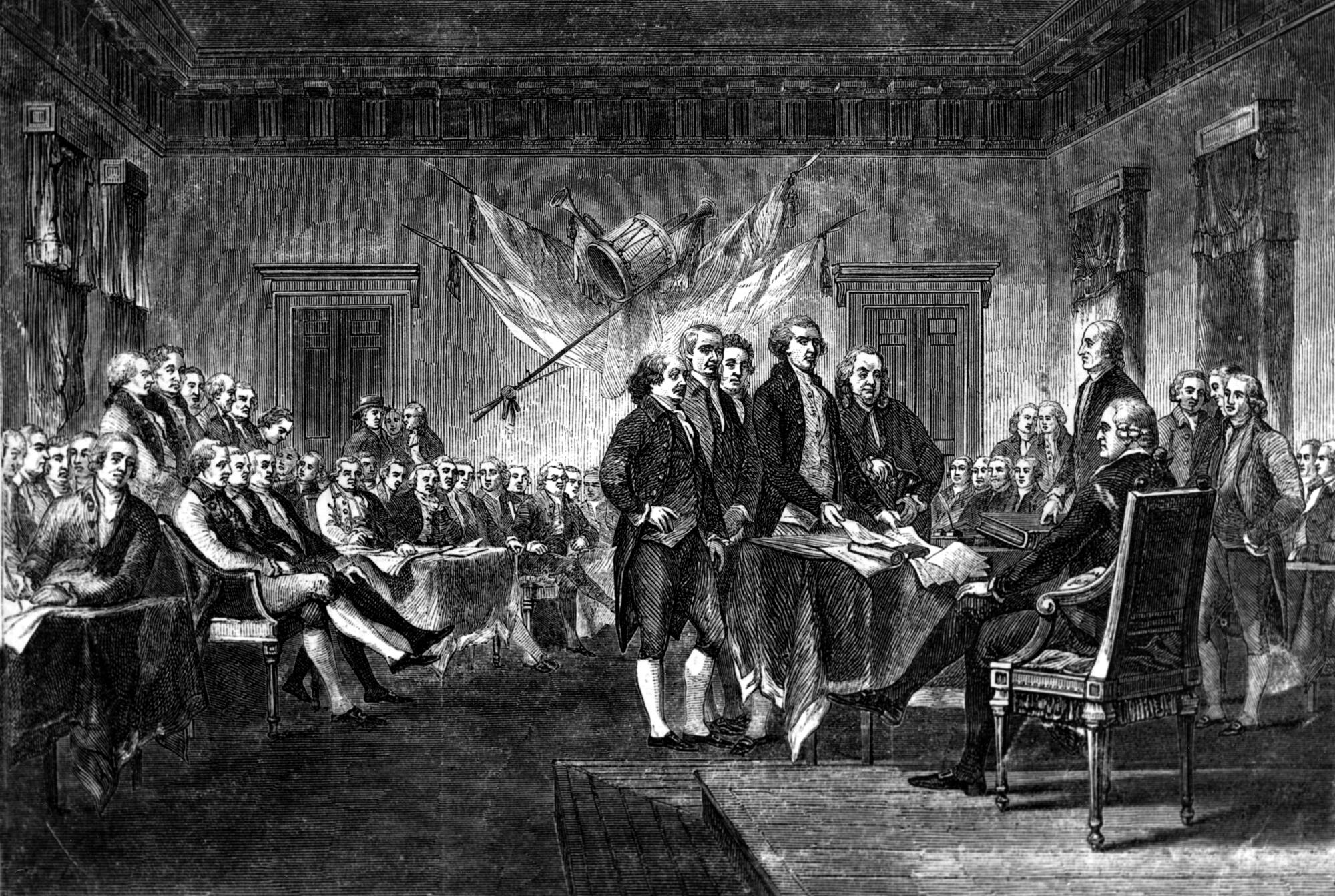
The 13 original colonies may celebrate 250 years, but 1776 holds significance on the West Coast as well. Far from the colonial activities in the East, Spanish California was beginning to leave its mark on what would become the United States.
Spanish Influence in the West
In 1776, mission-building was underway in Spanish California. The San Gabriel mission was in development, a follow-up to a previous mission that had been built in a flood zone. That year, on June 29, as the Continental Congress deliberated on the Declaration of Independence, the foundation for the Mission Dolores was being set in the San Francisco Bay area. Spanish settlers, guided by religious and imperial motives, began extending their presence from the coast to inland territories.
For Native American groups like the Ohlone, this marked the start of a challenging era, not just a new mission.
The Impact on Indigenous Peoples
The Spanish expansion introduced disease and led to the displacement of native populations. The communities faced severe hardships due to the Spanish occupation, which persisted until the United States celebrated its centenary.
San Francisco historian Alec Scott noted the significance of the time: ‘Dolores – translated as sorrows – was a fitting name for a mission, given the hardships that indigenous people began to face.’
Constitutional Beginnings in California
It took about 75 years beyond 1776 for California to develop its own constitution, drawing influences from Mexican constitutional rights. This was a time when Mexico had banned slavery in its constitution following its independence in 1821, contrasting sharply with the US Constitution which did not address the explicit prohibition of slavery.
By 1849, California’s first constitution declared an explicit rejection of slavery, setting the state apart as a free state.
California’s Progressive Stance
California’s constitution included progressive elements regarding property rights for women, in stark contrast to English and early American laws. Women retained property rights independent of their husbands, a tradition from Iberian law.
By defining community property rights during marriage, the state legislature introduced a concept that contrasted with the ‘coverture’ found in English law, where a woman’s legal identity and property rights were subsumed by her husband’s.
Voting Rights and Racial Definitions
Defining who was eligible to vote was a contentious issue. The term ‘white male’ in the early constitutions included Mexican Californians who chose American citizenship. The difference in racial definitions between East and West mirrored broader societal perspectives. As David Hayes-Bautista points out, racial and ethnic distinctions were fluid, especially with the intermingling of Indigenous and Spanish lineages over centuries.
Water Rights and Legal Traditions
California adopted and adapted Spanish and Mexican water laws, shaping water rights uniquely compared to states in the East. The concepts of riparian and appropriative rights emerged, dictating how water resources could be used or diverted.
While other states have ample water, California’s scarce resources have continuously tested these legal frameworks.
Lasting Legacies
Though California’s constitution has evolved over the years, its early principles, such as bilingual mandates, have faded. However, those progressive elements of 1849 remain foundational, echoing across the nation.
Reflecting on the enduring influence, Hayes-Bautista asks which constitution aligns more closely with modern America.