The Threat of Extreme Weather and Climate Change
Kim Stanley Robinson’s book, “The Ministry for the Future,” opens with a devastating scene where a heatwave and electrical grid failure in India lead to the deaths of 20 million people. This fictional catastrophe prompts a global effort to tackle climate change. Extreme weather events like heat waves, floods, and droughts are no longer just fictional; they are becoming parts of our reality.
Scientists have warned about such extremes for years. Daniel Swain, a climate scientist, points out the risk of underestimating these warnings. He compares it to the “Boy Who Cried Wolf” scenario, emphasizing that real threats need to be recognized.
Amateur scientist Eunice Newton Foote’s experiments in the 1850s revealed the heat-trapping capacity of carbon dioxide. Today, increased greenhouse gases are heating the Earth, raising global temperatures by 1.44 degrees Celsius since the early 1800s. This rise correlates with more frequent and intense weather phenomena.
The United States, historically a major greenhouse gas producer, has shown reluctance to acknowledge or combat climate change at the government level, as seen during President Donald Trump’s administration. His dismissal of climate initiatives underscores the challenge of addressing this global issue.
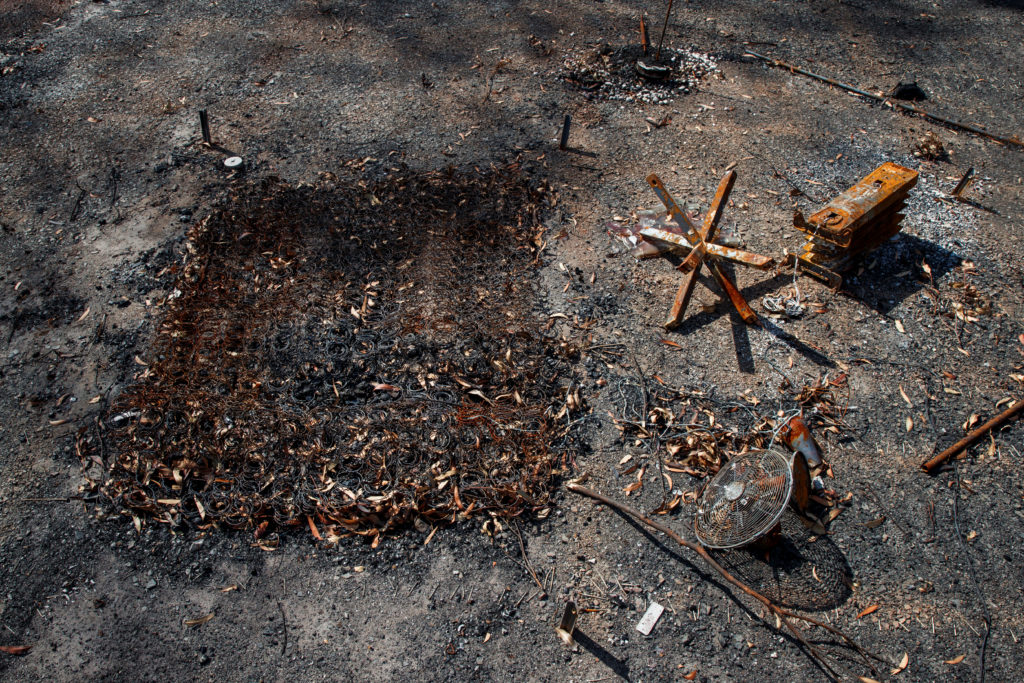
Recent examples of extreme weather include Australia’s “Black Summer” bushfires, devastating floods in Pakistan, and destructive hurricanes in the U.S. These events signal an “age of extremes.” Despite efforts toward net-zero emissions, climate scientist Sarah Perkins-Kirkpatrick acknowledges the persistence of extreme weather due to accumulated atmospheric carbon dioxide.
Robinson notes a growing need to address wildfires and heat risks in modern narratives. The psychological aversion to confronting worst-case scenarios often leads to societal ignorance of climate change impacts. Sonia Seneviratne, a climatologist, likens climate change risk to smoking-induced lung cancer, emphasizing the need for awareness.
Preparing for climate disasters requires a proactive approach. Lucy Jones, a seismologist, helped Los Angeles governments implement earthquake preparedness measures, an effort that may inspire similar preparations for climate-induced catastrophes.
Movies like “The Day After Tomorrow” and “Don’t Look Up” portray extreme weather scenarios as either survivable or catastrophic. These representations often oversimplify the issue, ignoring the complexities of real-world impacts.
Increased greenhouse gas emissions have intensified weather patterns, with current impacts surpassing previous scientific predictions. Tipping points, such as coral bleaching and Amazon rainforest degradation, have become more pressing. Tim Lenton from the University of Exeter warns of potential larger environmental shocks on the horizon.
AP’s climate coverage is funded by private foundations, emphasizing the importance of independent journalism in promoting public awareness and dialogue.