The Unlikely Partnership Between Trump and Graham
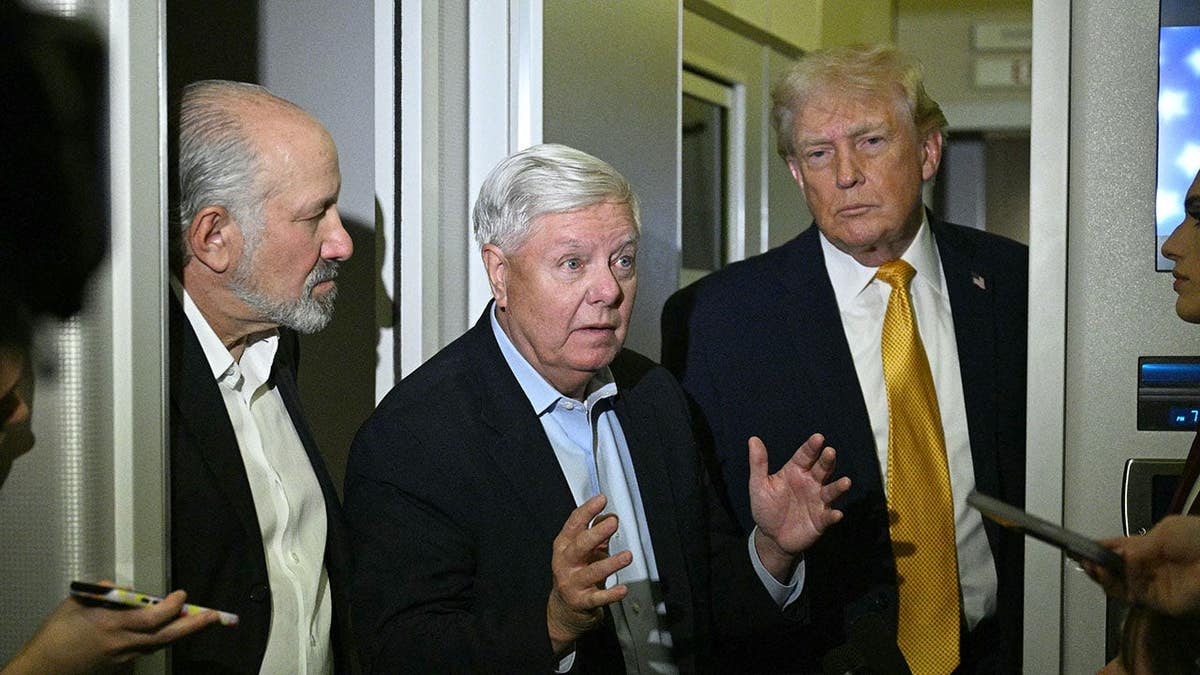
In 2015, Senator Lindsey Graham labeled Donald Trump a “jackass” and cautioned Republicans that nominating him would be disastrous. This drew a sharp reaction from Trump, who shared Graham’s cellphone number at a rally, urging supporters to call the senator from South Carolina.
Initially, they appeared to be unlikely allies in Washington’s political landscape. Trump surged into power with a promise to conclude America’s “endless wars,” challenging Republican foreign policy norms. In contrast, Graham had been a firm advocate of enhancing American power globally throughout his decades of public service.
Over the next ten years, however, Graham became one of the few lawmakers with frequent access to Trump regarding national security, rising as a pivotal voice within the Republican Party on issues concerning Iran, Ukraine, Israel, and NATO. His Senate career was characterized by a strong focus on foreign policy. Even as many lawmakers spent weekends at home, Graham was often overseas, engaging with presidents and negotiating agreements between allies and the White House. By the end of his career, his office became a crucial waypoint for foreign leaders seeking insight into or means to influence the Trump administration.
Following Graham’s sudden passing on Saturday, Trump described him as “like a member of the family,” recounting that he was amongst the last individuals to converse with Graham after his return from Ukraine prior to his death.
Amid Trump’s reshaping of Republican foreign policy towards an “America First” agenda, Graham stood as one of the steadfast voices with regular access to the president on discussions concerning war and peace. He often urged Trump to sustain a robust U.S. presence globally, even as the president scrutinized long-standing alliances and warned against extended military interventions.
Graham did not end up isolated as another Republican hawk amidst Trump’s rise. Instead, he nurtured one of the closest working associations with the president, granting him significant influence as the administration navigated conflicts ranging from Ukraine and Iran to Israel and NATO.
The extent to Graham’s involvement in reinforcing or shaping Trump’s foreign policy instincts remains a central question concerning his foreign policy legacy.
Graham was described as someone who lived and breathed Senate work, especially acting as an informal envoy between the U.S. and allies globally. Hours before his death, he humorously mentioned a confidant that he felt unwell but couldn’t succumb to death yet, noting his pending work. He was preparing to advance a bipartisan Russia sanctions bill in the Senate and believed the administration had unfinished business regarding Iran. Graham had just returned from his 10th trip to Ukraine and had established close ties not only with President Volodymyr Zelenskyy but also with Israeli Prime Minister Benjamin Netanyahu, NATO Secretary-General Mark Rutte, and other global leaders.
According to Jack Keane, a retired Army four-star general and Fox News strategic analyst, Graham prioritized direct contact with world leaders over writing op-ed pieces or delivering speeches. He was driven by tangible results.
Graham acknowledged Trump’s better understanding of the American public after being defeated in the 2016 primary. Consequently, he took deliberate steps to be useful for the president.
Graham’s worldview was influenced alongside late Senators John McCain and Joe Lieberman, whom he frequently traveled with overseas. Together, they supported an interventionist Republican foreign policy based on American military leadership, backing democratic allies, and confronting authoritarian adversaries.
Despite occasionally disagreeing with Trump, particularly over Iran negotiations where Graham preferred strikes and regime change, he continually pushed for a strong stance against Russia during the Ukraine conflict. These convictions occasionally aligned him more closely with traditional Republican foreign policy than with Trump’s “America First” agenda, even as he maintained his role as one of Trump’s closest advisors.
While Trump’s foreign policy shifted between military confrontation and diplomatic restraint, Graham’s stance remained constant. He consistently reminded that Congress would review any enduring agreement whenever Trump considered a negotiated settlement with Iran.
As Trump declared a memorandum with Iran in June, Graham quickly stated that any substantial deal would need congressional scrutiny, even suggesting Vice President JD Vance would ultimately defend it on Capitol Hill.
Upon his death, Graham secured precisely the role he desired in Washington: a trusted intermediary between the White House, Congress, and global leaders.
Senator Amy Klobuchar praised Graham for his enthusiasm for the profession and the responsibilities bestowed upon him. She recounted moments where he would step into foreign lands with genuine excitement, embracing every aspect of his role.
Stephen Miller, Deputy Chief of Staff at the White House, noted Graham’s dedication to his senatorial duties and his belief in the noble legacy he continued.
Graham rarely pursued argumentative victories at the potential cost of disfavor with the president. After extensive revision, only days before his death did Graham manage to announce an agreement with the administration to advance his long-delayed Russia sanctions bill.
While Trump regularly challenged NATO’s value and urged greater defense spending by allies, Graham viewed America’s alliances as vital strategic assets. He advocated for European nations to bolster defense expenditures but insisted that the alliance itself remained crucial for deterring Russia and upholding American power.
Central to his worldview was unwavering support for Israel, which he saw as America’s closest Middle Eastern ally. He worked extensively to strengthen ties between Israel and Arab nations, perceiving Saudi-Israeli normalization as a historic chance to reshape the region while further isolating Iran.
In Washington, Graham demonstrated that proximity to power could be as significant as formal authority. Without him, Ukraine now fears losing a vital advocate.
Ukraine’s lawmaker Oleksandr Merezhko lamented the loss, recognizing Graham as an indispensable figure and vital link with Trump for Ukraine.
The path for Graham’s signature Russia sanctions bill to pass through the Senate and reach the president’s desk remains uncertain without his presence at both ends of Pennsylvania Avenue.
The president is left to navigate conflicts in Ukraine and the Middle East without a friend who was candid about urging vigorous actions.