The WNBA’s Balancing Act: Star Power vs. Player Wellness
The WNBA is witnessing a surge of attention thanks to players like Caitlin Clark and Sophie Cunningham, who are capturing audience interest with their impressive performances. However, the league appears unsettled by the intensity that these players bring, as discussed on a recent episode of The Riley Gaines Show.
Becky Hammon’s Unconventional Strategy
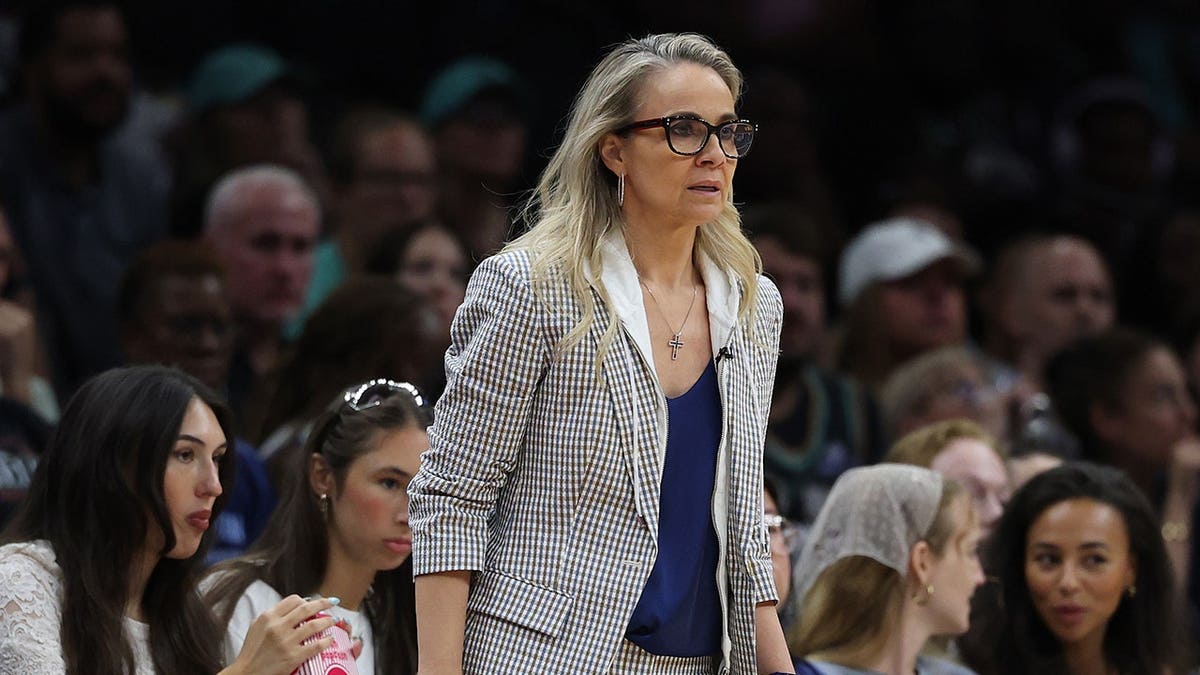
A recent WNBA game between the Las Vegas Aces and the New York Liberty, both championship contenders, drew attention not only for its competitiveness but also for the choices made by Aces head coach Becky Hammon. During this nationally broadcast match, Hammon’s decision to rest star players A’ja Wilson, Chelsea Gray, and Jackie Young sparked debate. Instead, Jewell Loyd, Dana Evans, and Brianna Turner took their places in the starting lineup.
This move was more than a tactical decision; it highlighted concerns over the tight scheduling of back-to-back games, especially with the physical toll it takes on players. The Aces, a team known for its strong roster, faced the Liberty without some of their key players in action, ultimately losing 111-71.
Prioritizing Player Health
Hammon defended her choice post-game, stating, “The health and safety of players comes first.” Her focus was on the bigger picture and ensuring the team’s long-term health, even if it meant a loss in a significant game. The previous day, the Aces had played the Minnesota Lynx, where Wilson, Young, and Gray logged substantial minutes.
Despite the spotlight of a national broadcast, Hammon emphasized the necessity of preventing player injuries after extensive travel. “Not going to put players in any kind of jeopardy,” Hammon asserted, prioritizing athlete well-being over immediate competitive glory.
Player and League Perspectives
According to the WNBA’s collective bargaining agreement, teams should have at least 20 hours between consecutive games. However, Hammon’s critique of back-to-back scheduling wasn’t about technicalities. Her decision underscored a commitment to fairness and player health, irrespective of national viewership.
Jonquel Jones of the Liberty understood this perspective, acknowledging the need for teams to manage athlete workload wisely. “They have to do what’s right for their team,” she noted, balancing competitiveness with empathy for the Aces’ position.
Future Implications for the League
The WNBA plans to expand its schedule, with a 50-game season on the horizon. While this growth represents the league’s rising popularity, it also calls for reevaluating player management strategies. Hammon’s strategic choice during the Brooklyn clash may signal a broader message to the WNBA: prioritizing player health remains paramount, regardless of television dynamics.
As the league navigates the challenges of increased visibility and tighter schedules, decisions like Hammon’s could shape the future landscape of professional women’s basketball.