Toyota’s Digital Transformation and Supply Chain Innovations
Toyota Motor North America’s supply-chain process often involves over 75 spreadsheets monthly, burdening employees as they continuously prepare for the next cycle. They are now developing technology tools to alleviate this burden. Over five or six years, these tools have generated $3 for every $1 invested, according to Jason Ballard, Vice President of Digital Innovations.
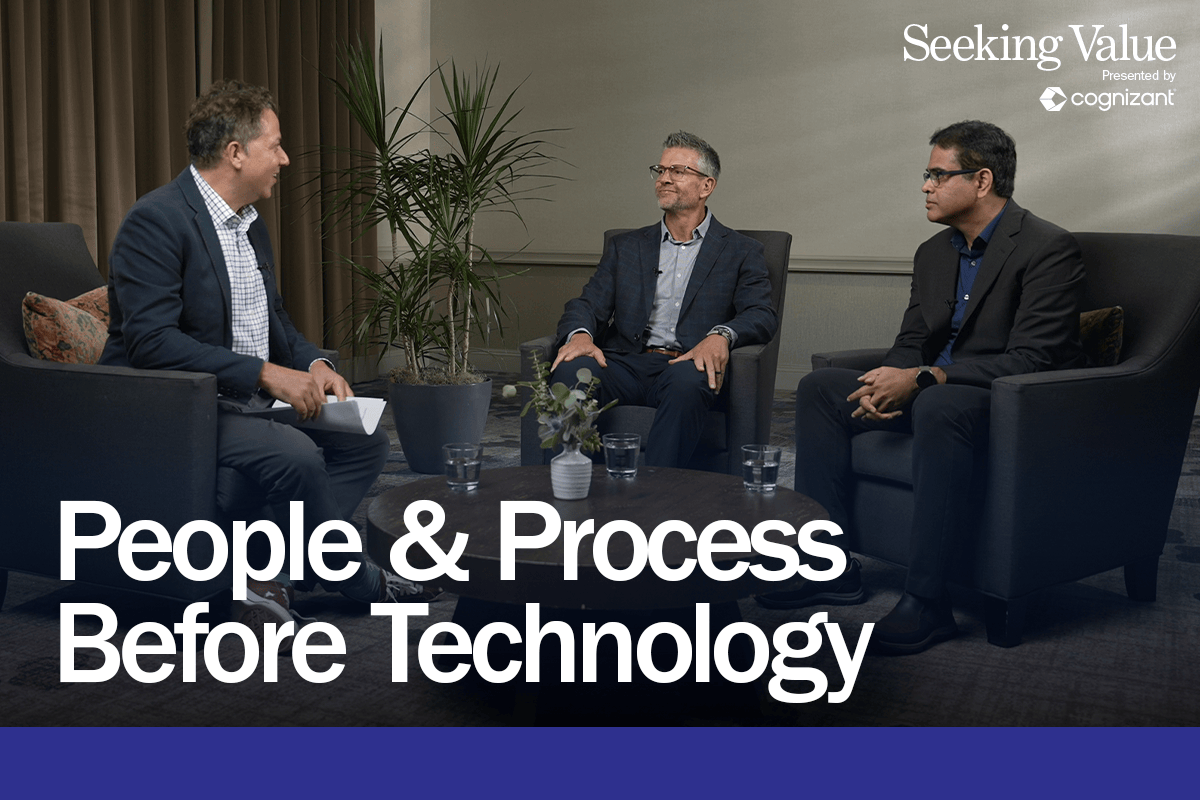
Ballard highlights that this transformation isn’t solely about generative AI. It encompasses various operational and technology initiatives, including machine learning. During a discussion in the Seeking Value video series by Cognizant, Ballard was joined by Nishanth Vallabhu, head of manufacturing and automotive at Cognizant, with Gabriel Snyder of Newsweek moderating.
Challenges in Supply Chain Management
The COVID-19 pandemic and semiconductor shortage forced Toyota to reevaluate supply chain operations. Experienced employees managed crises repeatedly, underscoring reliance on individual judgment.We can’t continue to count on that,
Ballard said to Newsweek.
Typically, dealer inventory fell from over 50 days to levels in the teens, raising concerns about matching customer preferences with available vehicles.
Improving Visibility and Decision-Making
Ballard noted a common question from friends and family: How come I can track a Domino’s pizza, but not my $50,000 car?
This prompted an examination of visibility improvements in vehicle orders. Early projects identified effective approaches, pulling the platform forward.
Technology Framework and Application
Ballard described a modular architecture: data as the foundation, services on top, and an intelligence layer supporting agents. This allows flexibility in AI models choice, avoiding the limitations of a single provider. Financial considerations initially presented outcomes broadly, but early projects met optimistic outcomes, justifying continued investment.
Financial Benefits and Operational Changes
Improved data allowed better vehicle configuration profitability, aligning more closely with demand. A digital twin using machine learning guided production decisions during the semiconductor shortage.
This technology relieves planning teams of routine tasks, letting employees focus on insights and actions. Ballard emphasized shifts in operational roles, enhancing teams’ strategic activity.
Challenges in Measuring Value
Vallabhu noted challenges in quantifying time savings by employees. While improved productivity offers potential gains, its value depends on subsequent actions and outcomes, akin to factory floor scenarios where increased capacity depends on existing demand.
Quantifiable results substantiated by finance teams are crucial for validating gains. Toyota’s transformation, through a longstanding partnership with Cognizant, balances established practices with fresh ideas.
Ballard highlighted the role of employee involvement in transformation. Experienced workers engaged directly to redesign operations, drawing on their understanding of long-standing challenges. The focus was not just task updates, but a radical operational overhaul.
For Toyota, explaining how changes affect roles ensures employees embrace rather than feel imposed upon by new systems. The goal, Ballard noted, was comprehensive operational reimagining.