Conservative Government Elected in British Columbia After 98 Years
British Columbia has elected a Conservative government for the first time in nearly a century, signaling a potential shift in Canadian politics. The left-leaning New Democratic Party (NDP) lost its hold on power after a snap election called two years early by Premier David Eby. Lorne Doerkson’s Conservatives led in 64 of the province’s 93 electoral districts, comfortably surpassing the 47 required for a majority.
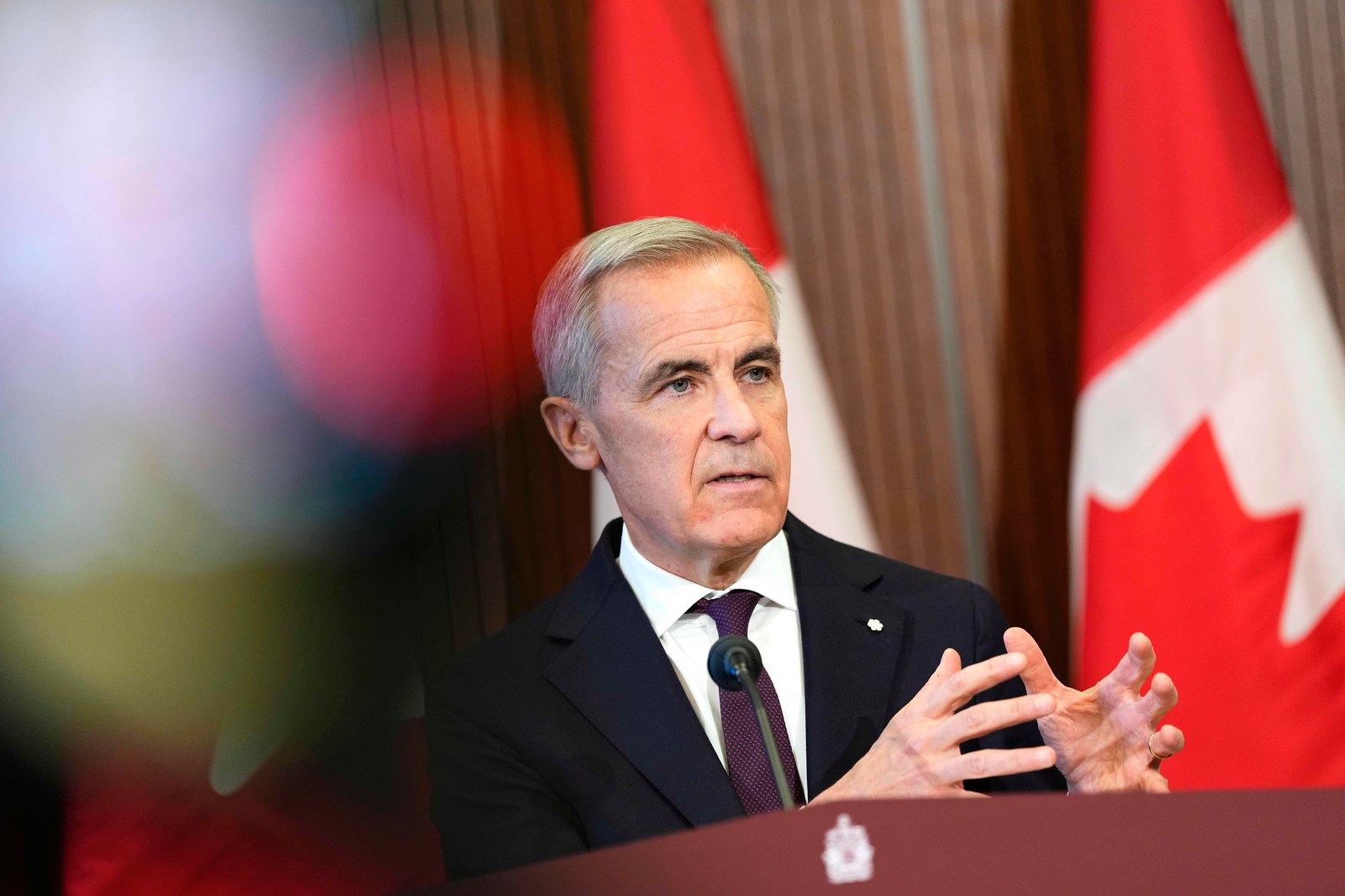
This result holds implications for Canadian Prime Minister Mark Carney. His center-left Liberal Party faces the possibility of a national election in 2029 under conditions influenced by U.S. President Donald Trump’s trade policies. Trump acknowledged the election results on Truth Social, highlighting the significance of the Conservative win.
Carney recognized the outcome by congratulating Doerkson in a social media post, expressing eagerness to work together in areas like housing and energy in British Columbia. Doerkson, who focused his campaign on affordability, lower taxes, and energy production, described the victory as a choice for a “new direction” in the province.
During the campaign, Eby had called for the early election to increase the NDP’s seats to better combat Trump’s tariffs. Despite the slim victory in 2024, with the NDP taking 47 seats, the political landscape shifted. Conservative internal disputes seemed to resolve under Doerkson’s interim leadership, leading to a reunified front.
Following the election, Eby resigned as leader of the NDP, taking full responsibility and calling his tenure as premier an honour. Doerkson, in a message to voters, committed to a future-oriented vision for British Columbia.
Implications for Prime Minister Carney
Carney’s Liberal Party currently holds a majority of British Columbia’s House of Commons seats. However, if this provincial win indicates wider national shifts, Carney’s party may face challenges in retaining federal power. Carney’s strategy has been to campaign against the influence of Trump — a tactic also used by Eby with limited success.
While provincial and federal elections are distinct, the election outcome might still provide insights into the changing political climate. A recent poll conducted by Leger suggests that the Liberals lead with 48% support among those surveyed, the Conservatives at 33%, and the NDP at 8%. This data carries an error margin of +/-2.5 percentage points.
For further details, the Newsweek editors on this story were Matthew Robinson and Trevor Davies.