Transitioning to Private Security in Airports: The Case of Kansas City International
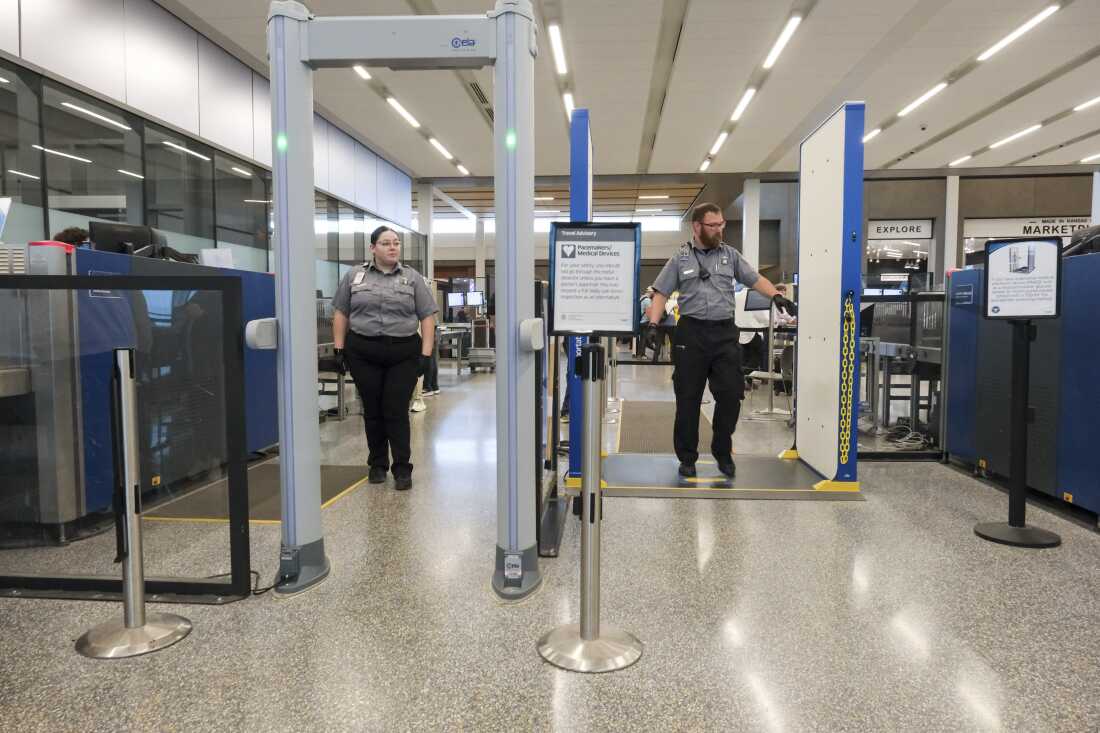
Transportation security officers at Kansas City International Airport present a unique setup. Unlike many airports in the U.S., the individuals responsible for screening passengers aren’t government employees from the TSA but rather private contractors from a company called VMD Corp. Passengers lining up might not notice this distinction, given the uniformed appearance of these officers.
A key difference many travelers might not see is these officers serve as private contractors while still adhering to TSA standards.
The use of private security at airports dates back to the post-9/11 era when the Screening Partnership Program (SPP) allowed airports to opt for private firms instead of federal officers to manage security checkpoints. Despite most U.S. airports using TSA employees, places like Kansas City and San Francisco retain private companies.
Gabe Murphy, VMD’s program manager at Kansas City International, explains private employees handle various tasks such as ID checks and baggage screening. The TSA still plays a role by auditing processes to ensure they meet federal standards. This system, where private employees operate under tight regulatory oversight, demonstrates how VMD integrates into the airport’s operations.
Interest in privatization is increasing, spurred by the Trump administration’s introduction of TSA Gold+, designed to save funds through more private involvement. The new program counters arguments from unions like the AFGE, worrying about undermined federal officers. Legal mandates ensure equal pay for private contractors compared to federal workers, a key element in sustaining morale and efficiency in airport security operations.
Tina Won Sherman from the Government Accountability Office identifies concerns about scaling oversight if privatized operations grow. Her office continues to monitor how the TSA upholds security standards through these transitions.
Feedback from passengers, such as Eric Sauter, reveals many are unaware of the private security system existence until obvious federal shutdowns exposed smoother operations in private settings. Quick and friendly experiences seem to overshadow concerns about whether security personnel come from the TSA or private companies.
Equipment and systems at Kansas City International are updated to streamline security processes and handle an anticipated influx from events like the World Cup. Innovations include less cumbersome scanners that speed up checkpoints, illustrating investments in efficient passenger throughput.
Security’s essential role demands dedicated, well-trained staff. Kim Fisher, head of security training at the airport, highlights an intensive two-month program for new hires. Many recruits, such as Jada Price, foresee long careers at the airport, drawn by stability and the chance to participate in vital work.
Looking ahead, VMD is transitioning to manage security at San Francisco International Airport, with a substantial contract confirmed by the Government Accountability Office. Fisher plans to extend training efforts to San Francisco, marking further expansion in VMD’s responsibilities.
The shift to private security in airports, illustrated by Kansas City International’s experience, represents a critical aspect of public safety management. As privatization potentially increases, maintaining high security standards continues to be paramount.