Trump Critiques the Press at White House Correspondents’ Dinner
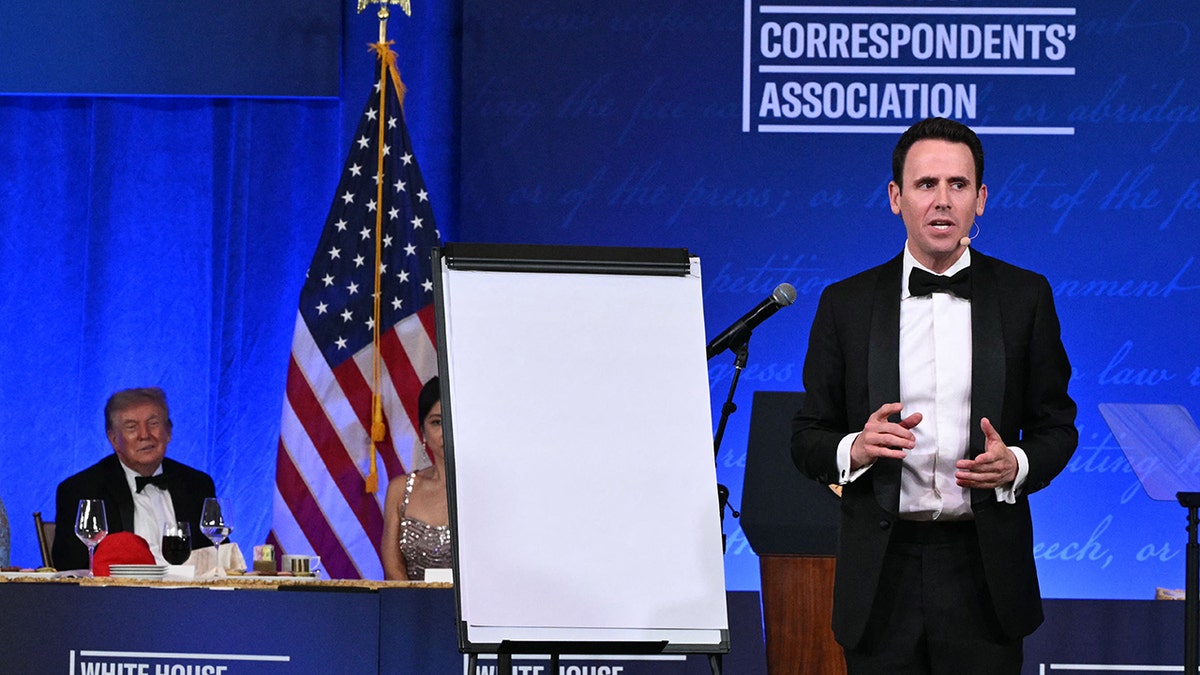
The recent White House Correspondents’ Association (WHCA) Dinner included a unique entertainment segment, headlined by mentalist Oz Pearlman. His act involves elements like psychology, suggestion, and misdirection, creating the illusion of mind reading. Performers such as ‘The Amazing Kreskin’ have entertained audiences in similar ways, gaining popularity through appearances on shows like ‘The Tonight Show’ with Johnny Carson in the 1970s.
Pearlman’s performance at the dinner was fitting for journalists covering the White House beat. Many reporters in the media rely on techniques similar to those used by mentalists, aiming to interpret what political figures like President Donald Trump and Vice President JD Vance are ‘thinking’ or ‘feeling,’ beyond their actual words or actions. This reporting style often relies on anonymous sources who claim insider knowledge.
Trump returned to the WHCA Dinner following a previous security incident. His relationship with the press remains a point of contention. Despite being one of the most accessible presidents, reporting frequently resorts to unverified ‘sources say’ narratives. The government workforce, including the Executive Office of the President and members of Congress, consists of numerous individuals who might purport to be insiders. This can result in stories based more on speculation than factual reporting.
Such speculative reporting is not rare. It thrives on anonymous sources with personal or professional agendas. Sometimes journalists use these sources to advance narratives or target specific individuals. This competitive environment pressures media personnel to blur the lines between reporting and speculation, often dressing opinion as news.
In this climate, reporters may stray from their craft’s highest standards, which emphasize fact-based reporting. The presence of a mentalist at the dinner served as a metaphor for the journalists’ tendencies to engage in speculative storytelling about political figures’ motivations and thoughts, rather than relying on documented facts.