Democratic Flanks Clash in Heated Michigan Senate Primary Debate
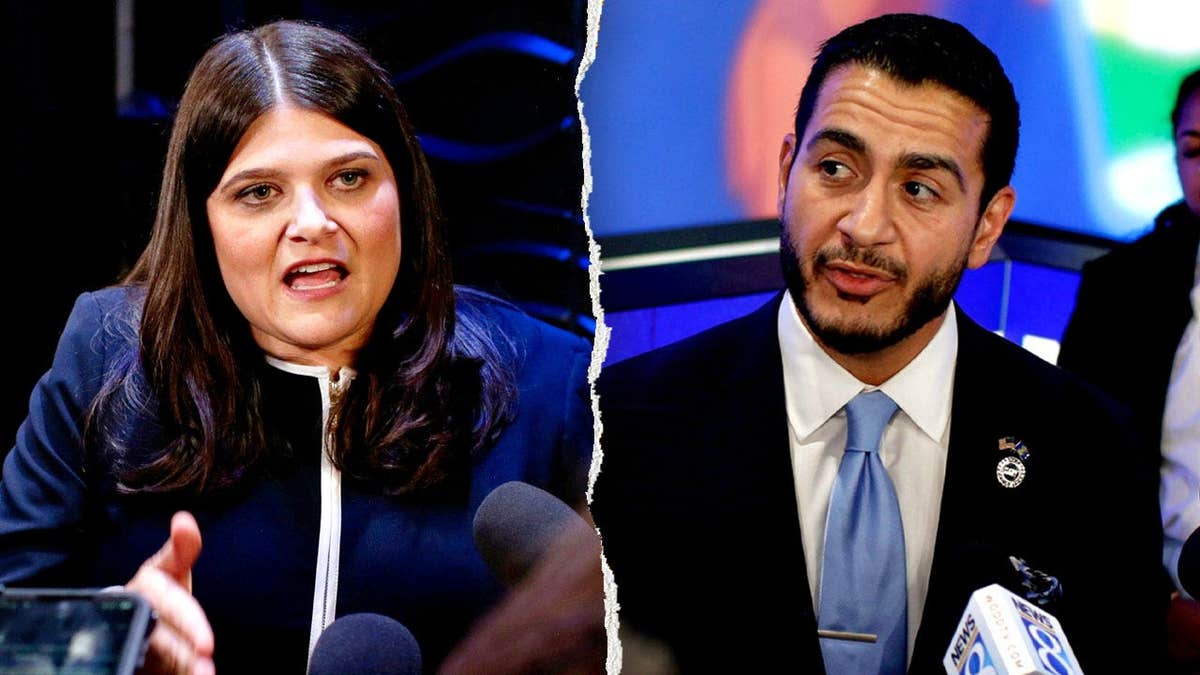
The Democratic Party’s internal tensions surfaced prominently during a high-stakes Senate debate in Michigan. The debate unfolded one week before the primary, where candidates attempted to prove their capability to represent Michigan. Their aim was also to win over Republican candidate, former Rep. Mike Rogers, in the upcoming general election.
Democratic Ideological Divide
The clash involved two distinct factions: the progressive wing represented by Abdul El-Sayed and the establishment wing led by U.S. Rep. Haley Stevens. El-Sayed maintained his position on his controversial ‘ogre on a pike’ comment, clarifying it was aimed at Sen. John Fetterman, not Stevens. He reiterated his position against pro-Israel and corporate funds supporting Stevens while refuting the label of ‘socialist.’ Instead, he described himself as a capitalist who comprehends capitalism.
Conversely, Stevens raised concerns about El-Sayed’s decision not to release his tax returns completely. She questioned whether El-Sayed’s political rhetoric, earnings outside politics, and national ambitions might harm the general election campaign against Rogers, concluding he focused more on personal branding than local representation.
Influence of Outside Spending and AIPAC
The debate spotlighted the influence of extensive financial contributions in the race. A focus emerged on significant spending by pro-Israel groups in support of Stevens. Stevens asserted her commitment to a two-state solution and long-term peace, dismissing concerns about outside influences. El-Sayed, however, suggested that such funding indicated Stevens’ alignment with certain international policies, specifically referencing her support for additional aid to Israel. He argued that such spending diverted taxpayer resources from local needs in Michigan.
Transparency in Finances
Stevens consistently challenged El-Sayed’s financial transparency. She accused him of secrecy regarding his income and pointed to earnings from other ventures. El-Sayed responded by highlighting his adherence to the required financial disclosures and redirected the transparency issue towards the external organizations backing Stevens, raising questions about their influence.
El-Sayed’s Critique of the Filibuster
El-Sayed’s primary legislative focus was on the Senate filibuster, which he deemed anti-democratic. He emphasized that eliminating the filibuster could facilitate the passage of critical legislation, such as the PRO Act and rigorous antitrust enforcement. He also supported a wealth tax on billionaires and the introduction of Medicare for All to address broader systemic issues.
Debate on ICE
The candidates also fiercely debated the role of Immigration and Customs Enforcement (ICE). Stevens labeled ICE a ‘rogue agency’ and had already initiated efforts to reallocate funds from the agency to community assistance programs. El-Sayed stood firmly in favor of abolishing ICE entirely, describing the agency as tyrannical and advocating for a complete reconstruction from the ground up.
While Stevens criticized El-Sayed for focusing on rhetoric, he defended his position, arguing that meaningful changes required bold actions. This debate highlighted the contrasting approaches within the Democratic Party, reflecting broader national dialogues on various policy issues.