Trump Faces Scrutiny Over Iran Strategy Amid Mixed Signals
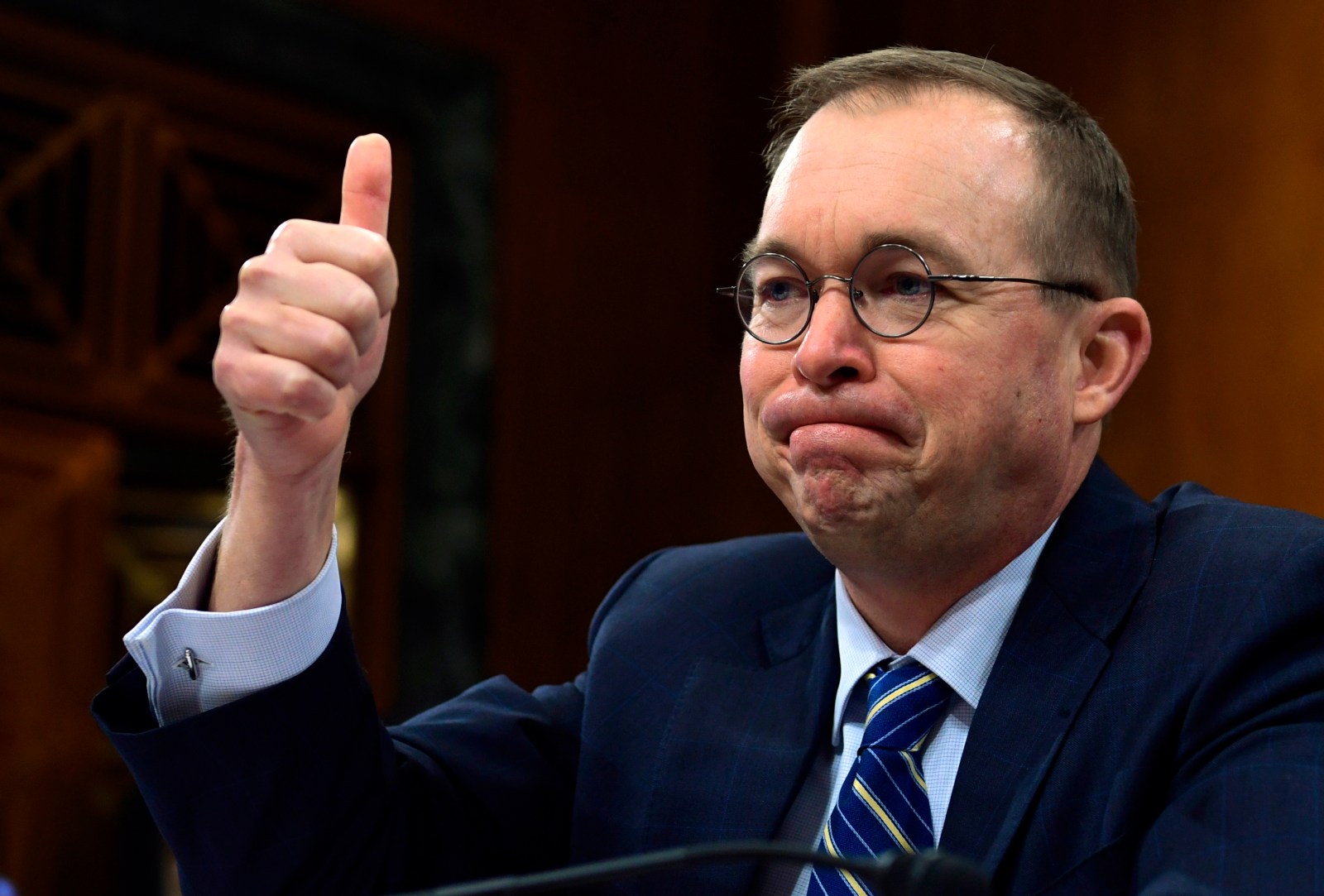
President Donald Trump is encountering new scrutiny over his approach to Iran as his administration continues to pursue a diplomatic resolution, nearly six months into a military campaign initially expected to be brief. Trump has frequently asserted that negotiations with Tehran are close to an agreement while simultaneously warning of a significant military escalation if Iran does not comply with his demands.
These inconsistent messages have attracted criticism from former allies, such as ex-White House chief of staff Mick Mulvaney, who flagged a developing credibility issue for the administration. The complexity is heightened by Tehran’s denials of any ongoing negotiations, directly opposing Trump’s claims of active talks and imminent resolution.
Mulvaney Cites Credibility Concerns
Mick Mulvaney, who served as Trump’s chief of staff from January 2019 to March 2020 and later as a U.S. envoy for Northern Ireland, resigned after the January 6, 2021, Capitol riot when Trump supporters attempted to block President Biden’s election certification.
During an appearance on the Australian news outlet News24, Mulvaney highlighted Trump’s frequent shifts between threats of military force and assertions of diplomatic progress, which he said left international partners uncertain about Washington’s goals.
When questioned about potential deals with Iran, Mulvaney expressed uncertainty. He maintained that Trump’s fluctuating stance has created confusion among stakeholders.
“Trump has oscillated between negotiating positions and military threats so often that one questions if he’s lost credibility with major players,” Mulvaney stated.
He urged Trump to demonstrate real progress through either diplomacy or military success to regain trust in his strategy. Mulvaney emphasized the difficulty in discerning what to believe when actions on the ground contradict Trump’s statements.
Mulvaney’s remarks highlight a major critique of the campaign: the alternating threats and negotiations could weaken American leverage.
Trump’s Inconsistent Strategy on Iran
Critics argue that Trump frequently modifies his approach, swinging between overwhelming military threats and claims of imminent diplomatic breakthroughs.
Since April, Trump has reportedly called off planned airstrikes five times to permit negotiations. Recently, he declared readiness to initiate what he called the “biggest attack since World War II,” but halted the operation, citing requests from Iranian officials and regional mediators—a narrative Iran disputes.
These recurring shifts have intensified debates over whether the administration’s threats are extracting concessions from Tehran or signaling hesitation to escalate fully.
Trump Claims Quick Progress in Talks
Addressing reporters, Trump claimed negotiations with Iran could swiftly resolve the conflict. He suggested the Strait of Hormuz might reopen imminently, while discussions on Iran’s nuclear program would take longer.
Trump stressed that while pressure remains the key to a settlement, he felt frustrated with Tehran’s public narrative regarding the talks.
“Iranian Leadership is unbelievably duplicitous!” Trump declared on Truth Social.
He insisted that discussions are happening despite public denials by Iran, asserting that Iran will never possess a nuclear weapon.
Republican Division on Strategy
The administration’s approach has sparked different opinions within the Republican Party. Former Vice President Mike Pence suggested that Trump might abandon diplomatic efforts in favor of military action.
Pence expressed confidence that Trump will eventually decide negotiations are ineffective, emphasizing the need for a definitive military approach against Iran.
Meanwhile, GOP Representative Mike Turner criticized the administration for insufficient transparency with Congress regarding the conflict in Iran and other security issues. He stated that Congress requires more comprehensive information.
Both the House and Senate have called for the Pentagon to provide better briefings to lawmakers.