Trump Highlights Crime Reductions Ahead of Attorney General Nomination
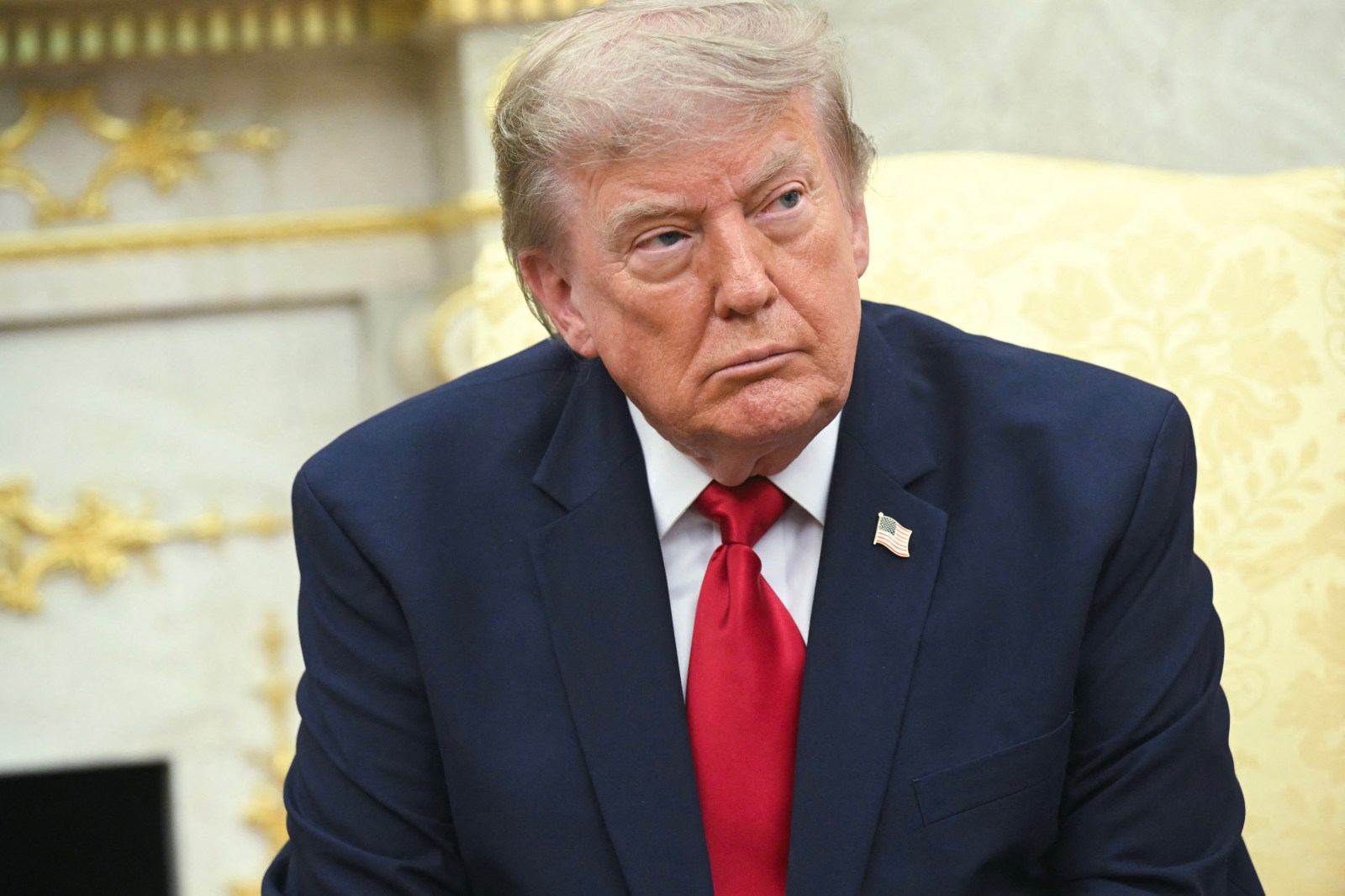
President Donald Trump recently praised a significant decrease in violent crime and murders, attributing the success to acting Attorney General Todd Blanche. These remarks were made prior to Blanche’s upcoming Senate Judiciary Committee confirmation hearing. Trump nominated Blanche after the resignation of former Attorney General Pam Bondi in April.
For Blanche’s nomination to proceed, he needs support from the Judiciary Committee. Following Senator Lindsey Graham’s passing, Blanche can afford to lose only one Republican vote, but some Republicans remain undecided—for example, Senators John Cornyn and Thom Tillis.
Trump took to Truth Social, urging Republican senators to back Blanche’s nomination, citing crime reductions as compelling reasons. He highlighted a decline in violent crime, noting, “Murder is down to the LOWEST level since 1900”, alongside increases in arrests for violent crimes, which he said have doubled. He claimed over 500 million lethal drug doses were seized, suggesting that these developments reflect a strong approach to law enforcement under Blanche’s leadership.
“Under Todd’s incredible leadership at DOJ, Murder is down to the LOWEST level since 1900, and we just saw the biggest one year drop in RECORDED HISTORY. Violent Crime arrests are UP 100%. Robberies, Carjackings, and Assaults, are all CRASHING. More than 500 million deadly doses of Drugs have already been seized, saving countless innocent lives.”
Preliminary FBI data partially supports Trump’s claims. Violent crime broadly decreased during his administration, with Bondi as attorney general. Official 2025 crime data, however, has not been fully released. Based on preliminary FBI data from 2025, violent crime dropped 9.3 percent and property crime fell 12.4 percent compared to 2024.
Angelo Kevin Brown, a criminologist from Arkansas State University, suggests economic conditions are central to crime trends. He noted that better economies correlate with less crime. Additional influences include local and state policies on education, healthcare, and social safety nets, although federal funding can also impact local departments.
Murder Rates and Crime Arrests
The White House used a Council on Criminal Justice report to suggest that homicide rates could fall to the lowest levels since 1900. The FBI’s early release indicates a drop in murder and manslaughter by 18.1 percent. However, complete data for 2025 is pending.
Trump claimed violent crime arrests doubled. FBI Director Kash Patel similarly stated arrests doubled in 17 field offices. Confirmation for all 56 field offices is unclear. An improvement in crime-focused FBI resource allocation is cited as aiding these achievements.
Crime Decreases in Specific Offenses
The FBI’s early data from 2025 reveals reductions in robbery and aggravated assault cases. Robbery decreased by 18.5 percent and aggravated assault by 7.2 percent. Motor vehicle theft figures were shared but lacked percentage changes.
Drug Seizures
Trump accurately noted drug seizures, backed by the DEA. In 2025, over 369 million deadly doses were seized, with 190 million more in the subsequent year.
Media and Crime Statistics Criticism
The FBI dismissed allegations that arrest statistics were artificially inflated. Criticisms alleging skewed crime data were refuted, with the FBI asserting no intentional manipulations.
Crime During COVID-19 Pandemic
Crime surged during the COVID-19 pandemic under Trump, including violent offenses like murder. Factors such as economic downturns and social stress contributed to increased crime rates. Progressive reform efforts post-2020 protests were blamed by conservatives, but experts dispute this connection.
A report from the Brennan Center for Justice identified gun purchases and socioeconomic challenges as contributors. The report emphasized pandemic-related mental health issues, disrupted community services, and a disproportionately impacted economy.
Individuals in sectors like hospitality faced heightened unemployment, exacerbating inequalities in the Covid-19 recession.