Trump Narrows Birthright Citizenship Through Executive Orders
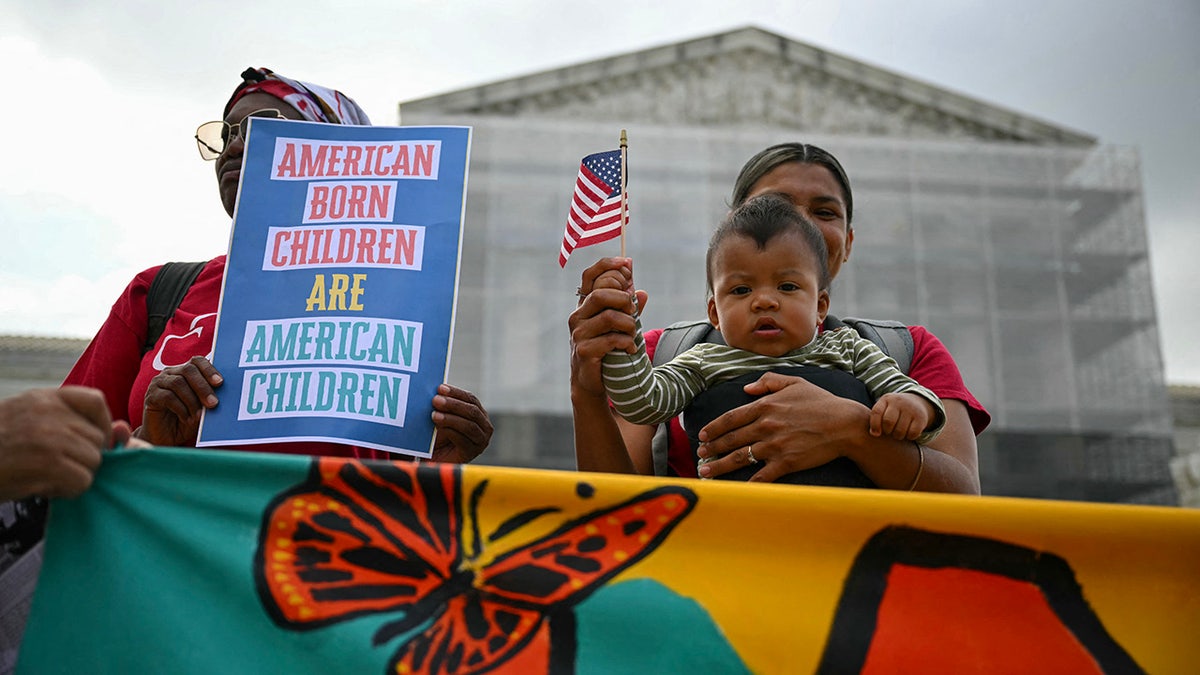
Recent executive orders signed by President Donald Trump are attempting to narrow the scope of birthright citizenship in the United States. These efforts follow a 6-3 Supreme Court decision in June affirming that children born in the U.S. to parents unlawfully or temporarily present still receive citizenship under the 14th Amendment.
Restricting Birthright Citizenship
The first executive order, signed on August 6, instructs federal agencies to withhold documentation of citizenship for certain children. This includes children whose parents lack U.S. citizenship and are members of designated foreign terrorist organizations, work for foreign governments, or engage in activities aimed at securing citizenship through deceit.
Legal experts from organizations like the Manhattan Institute and America First Legal claim Trump’s new approach is built around historical exceptions to birthright citizenship. They believe these exceptions might apply to current circumstances.
Historical Exceptions
The Supreme Court case United States v. Wong Kim Ark, from 1898, addressed exceptions to birthright citizenship. It recognized that children of diplomats and children born during hostile occupations could be excluded. Trump’s order argues that individuals associated with foreign terrorist organizations fit the enemy exception.
Constitutional scholars suggest that the order aligns with past court interpretations concerning allegiance to a foreign government or participation in hostile activities against the U.S.
Legal Challenges and Opinions
Despite its narrower focus, critics argue that Trump’s order challenges established legal precedent. David Bier, from the Cato Institute, contends that the president lacks the authority to unilaterally redefine who is subject to U.S. jurisdiction. Instead, Congress determines such definitions.
Professor Amanda Frost notes that only children of enemies occupying the country are typically denied birthright citizenship. Therefore, Trump’s order might not apply broadly to terrorists simply residing in the U.S.
Potential for Legal Conflict
Legal standing may complicate attempts to contest the order. Gene Hamilton of America First Legal ponders who might challenge the order and succeed in court. The order faces resistance in the legal system, with hearings scheduled before its intended start on September 6.
Second Executive Order: Birth Tourism
A second executive order targets birth tourism, instructing the State Department and Homeland Security to deny visas and pursue removal against individuals coming to the U.S. to give birth for securing citizenship.
Experts assert that the administration’s actions rest on solid legal grounds, citing precedent and the authority to regulate visa issuance.
Some argue existing measures already address birth tourism concerns, noting that since 2020, consular officers have had the directive to deny visas if birth tourism is suspected.
If Trump’s efforts encounter legal failure, proponents might seek congressional support or a constitutional amendment to further restrict birthright citizenship.