Trump Opposes Wind Energy in Bipartisan Permitting Bill
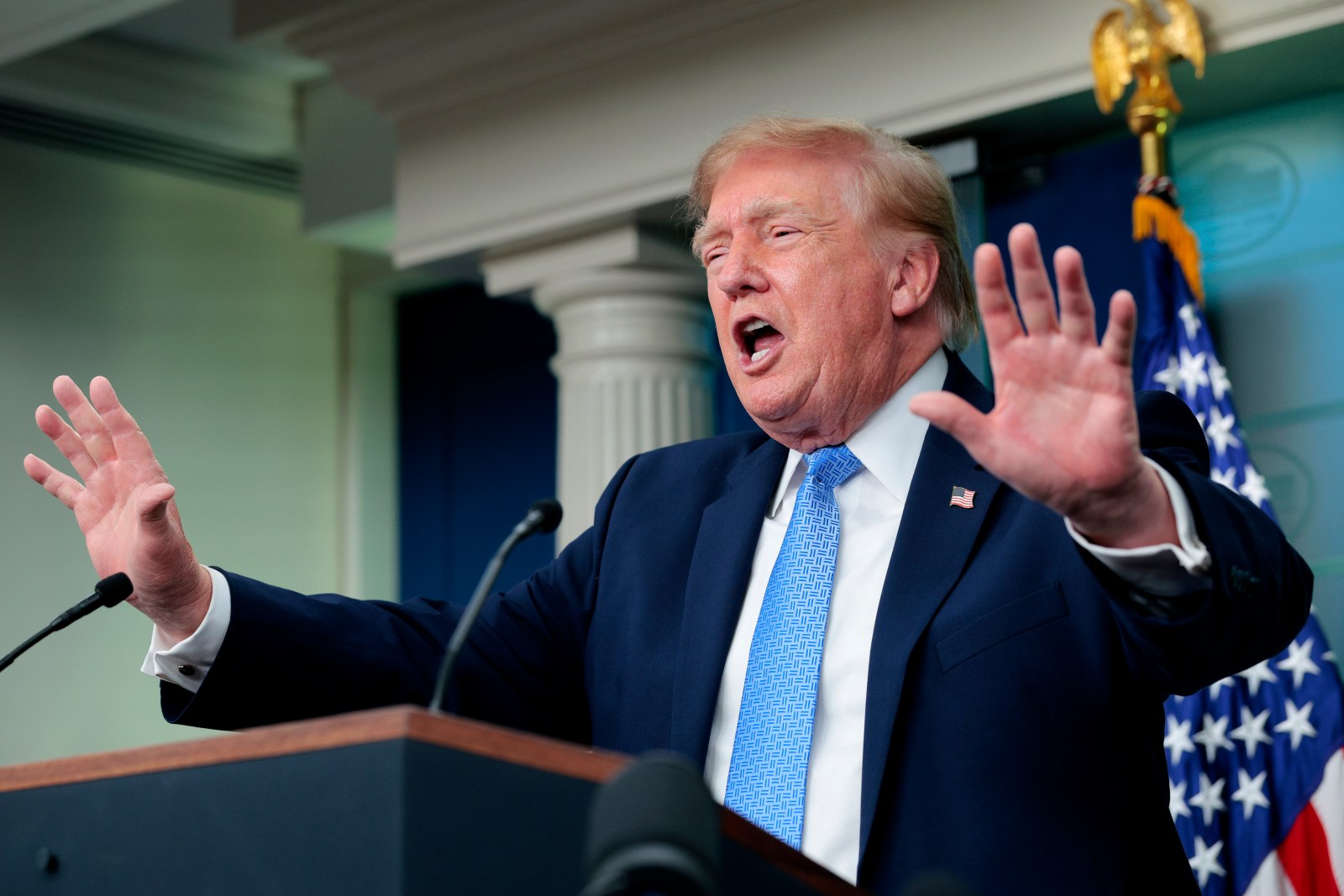
President Donald Trump expressed full support for a bipartisan energy permitting bill progressing in the Senate, but opposed its inclusion of wind turbines. “We are behind it 100 percent,” Trump stated. When asked about rallying support in the House, Trump noted that Democrats have seemed keen on the bill, like Republicans.
Upon learning the bill included wind provisions, Trump declared, “I will not approve wind turbines because wind turbines are a major loser.” The Senate is advancing the Bipartisan American Affordability and Jobs Act of 2026, aimed at expediting energy and infrastructure project approvals.
A White House official confirmed Trump’s stance and noted ongoing collaboration with Senate Democrats to pass the bill, aiming to reduce energy costs and promote American energy. Offices of Democratic Senators Sheldon Whitehouse and Martin Heinrich, leading bill negotiators, were contacted for comments regarding Trump’s statements.
Overview of the Bipartisan American Affordability and Jobs Act
Introduced in September by Whitehouse, Heinrich, and Republican Senators Shelley Moore Capito and Mike Lee, the bill seeks to overhaul federal permitting for energy and infrastructure projects. It addresses areas such as transmission, natural gas, oil, geothermal, hydropower, and renewable projects.
The Environmental Policy Innovation Center’s analysis recognizes provisions affecting wind and solar energy. The legislation aims to manage data center and electricity costs by obligating large data center operators to cover transmission and grid upgrade expenses, protecting other utility customers if projects fall through.
The bill intends to streamline federal permits and quicken project developments. While Republicans focus on regulatory reform, Democrats see potential for accelerating clean energy.
The lead senators submitted a substitute amendment after consulting lawmakers and interest groups. Whitehouse claimed the legislation could boost the clean energy economy, whereas Capito praised the bipartisan foundation.
Despite support, the bill faces hurdles. Some Democrats and environmental groups argue it risks environmental protections and eases fossil-fuel infrastructure development. House Democratic Leader Hakeem Jeffries seeks more input from House Democrats, and Democratic Senator Ron Wyden calls for a new agreement following midterm election victories. The Senate has voted to proceed with considering the bill, moving the overhaul forward.
Trump’s Stance on Wind Energy
Trump’s disapproval of wind energy in the bill follows efforts by his administration to restrict wind-energy development. In October, Trump declared wind turbine imports a national security threat, citing concerns about cybersecurity, radar interference, and reliance on foreign components.
His administration’s opposition to wind affects permitting negotiations. Democrats, including Whitehouse, have demanded clarity on preventing Trump’s hindrance of renewable projects. Whitehouse accused the administration of attacking wind energy.
Trump’s wind opposition impacts wind project permit reviews, exemplified by the New England Wind project permit reconsideration request. His rhetoric against wind turbines includes critiques of their reliability, cost, and appearance, influencing federal policy.
User Reactions
Environmental groups criticized Trump’s recent comments on the bill. Brett Hartl from the Center for Biological Diversity described Democratic support for the bill as political malpractice, saying it empowers Trump to favor fossil fuels and data center interests.
Hartl argued the bill further entrenches a deregulatory agenda, opposing renewable energy development. Despite support from certain senators, the Center for Biological Diversity argues the bill undermines progress toward cleaner energy sources.
The ongoing debate reveals the political maneuvering needed to balance Republican and Democratic priorities in the permitting reform, as the Senate continues discussions.