Trump’s Approval Ratings Drop Across the U.S.
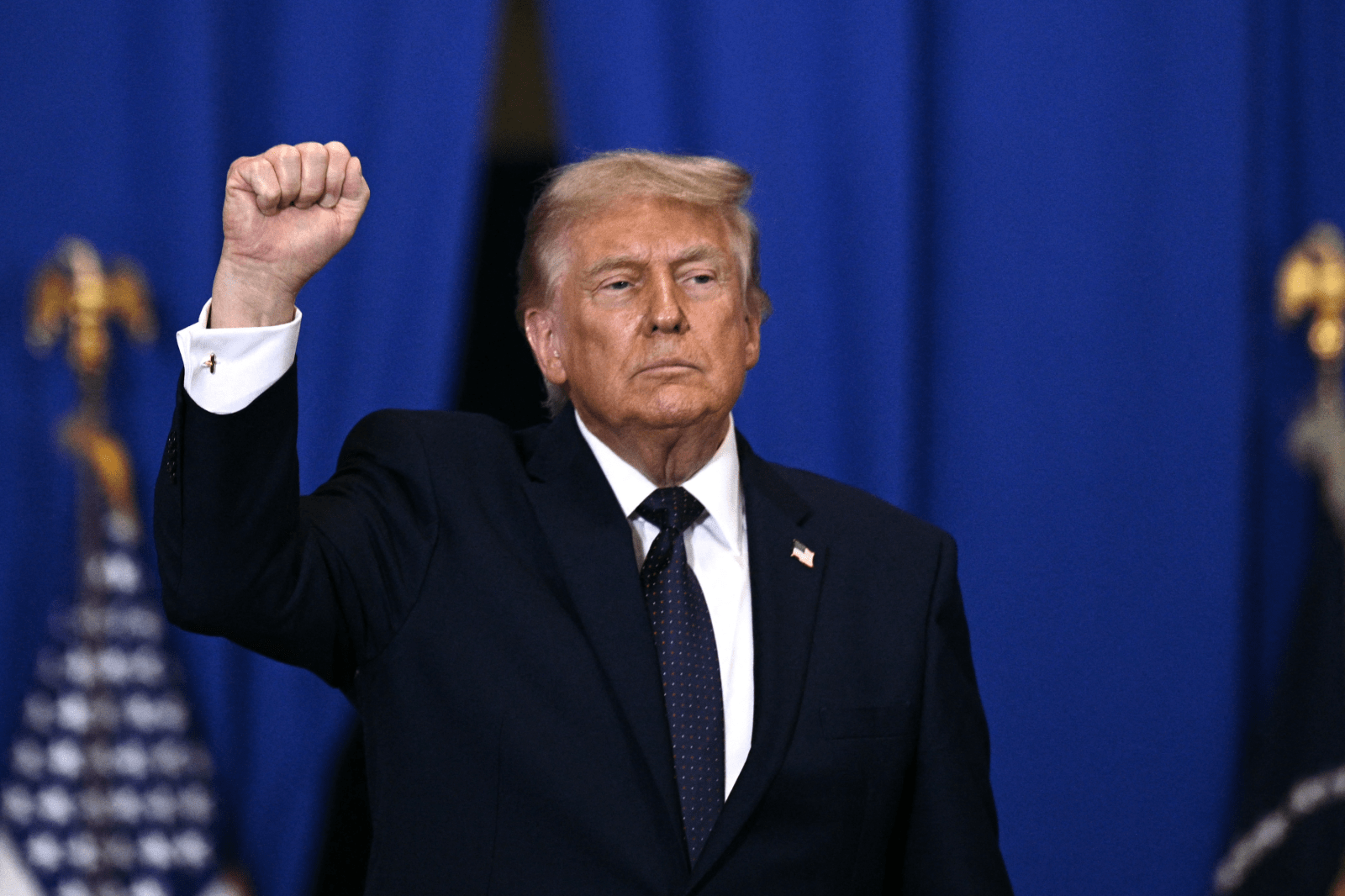
More than a year into President Donald Trump’s second term, his approval ratings have declined nationwide. An analysis by Newsweek reveals a notable weakening of his standing, especially in states that once showed strong support.
Decline in Net Approval
Since January 2025, Trump’s net approval ratings have dropped in every state. Surprisingly, the steepest declines occur in Republican-leaning states, not only in Democratic territories. Key battleground states like Florida, Ohio, and Nevada now show net disapproval.
The political landscape remains divided along partisan lines, though with reduced margins. Data sourced from Civiqs’ continuous online poll of over 107,000 registered voters reveals these trends. The analysis compares state-level results from the beginning of Trump’s second term to recent estimates, with net approval calculated as the difference between approval and disapproval ratings.
Every state shows a decline in Trump’s net approval since the start of his second term, particularly in Republican strongholds and battlegrounds.
On a detailed map, users can compare Trump’s approval ratings across states from the start of his second term to the latest estimates. A separate map highlights where the drop in net approval is the most pronounced.
Significant Drops in Approval
The largest decreases in net approval underline Trump’s loss of support since he resumed office:
- Wyoming: +47 to +22 (down 25 points)
- Kentucky: +23 to 0 (down 23 points)
- Nebraska: +18 to -4 (down 22 points)
- Alaska: +9 to -12 (down 21 points)
- Florida: +9 to -12 (down 21 points)
- Oklahoma: +31 to +10 (down 21 points)
- Nevada: 0 to -20 (down 20 points)
- Maine: -12 to -31 (down 19 points)
- Ohio: +8 to -11 (down 19 points)
- Utah: +20 to +1 (down 19 points)
Other states such as Idaho, Tennessee, and Montana also see declines of 19 points, while Kansas and West Virginia drop by 18 points. Initially strong pro-Trump states now appear less secure, with several slipping into negative approval.
Wyoming, Trump’s strongest state, shows a marked narrowing of margins. Kentucky has fallen from positive to even, highlighting the shifting landscape.
Battlegrounds: From Positive to Negative
Battleground states, where changes significantly impact elections, have shown notable movement:
- Florida: +9 to -12
- Ohio: +8 to -11
- Nevada: 0 to -20
- Nebraska: +18 to -4
Other states like Pennsylvania and North Carolina remain competitive but also experience a decline in net approval. This trend underscores Trump’s challenging position in key electoral states.
Steady Yet Weakened Support in Red States
Trump’s support holds strongest among Republican states, yet margins have visibly narrowed since his presidency began. States like Oklahoma, Idaho, Tennessee, and Montana, while still positive, each lost about 20 points since January 2025. Even in Wyoming, the most pro-Trump state, support has halved.
Firm Opposition in Democratic States
In Democratic-leaning states, Trump’s term began with significant disapproval, which has typically deepened. States such as California, New York, and Massachusetts show more negative net approval today, although change here is less pronounced than in red states because of limited variance.
Reasons Behind the Decline
The drop in approval is characterized by a downtrend in approval and an uptick in disapproval, often closely matched:
- Approval down by 10 to 14 points
- Disapproval up by 8 to 11 points
Wyoming exemplifies this trend:
- Approval: 72 to 58
- Disapproval: 25 to 36
- Net: +47 to +22
The concurrent movement of approval and disapproval leads to a rapid fall in net approval, observed nationwide.
A Weakened National Map
The national political map retains its structure with weaker support. Initially, Trump enjoyed clear positive net approval across many Republican states and competitiveness in some battlegrounds. Now a year later, many of these states are narrowly positive, split, or net negative.
This shift results in a familiar but weakened landscape, with unchanged dividing lines but altered foundations.
Official Response
The White House downplays recent poll results, emphasizing Trump’s 2024 victory as proof of public support. Spokesperson Davis Ingle highlights the 80 million votes Trump received as a mandate, arguing the administration is focused on economic priorities like jobs and housing, with policy impacts expected to become evident over time.