Trump’s Battle Over Mail-In Voting and the Supreme Court’s Response
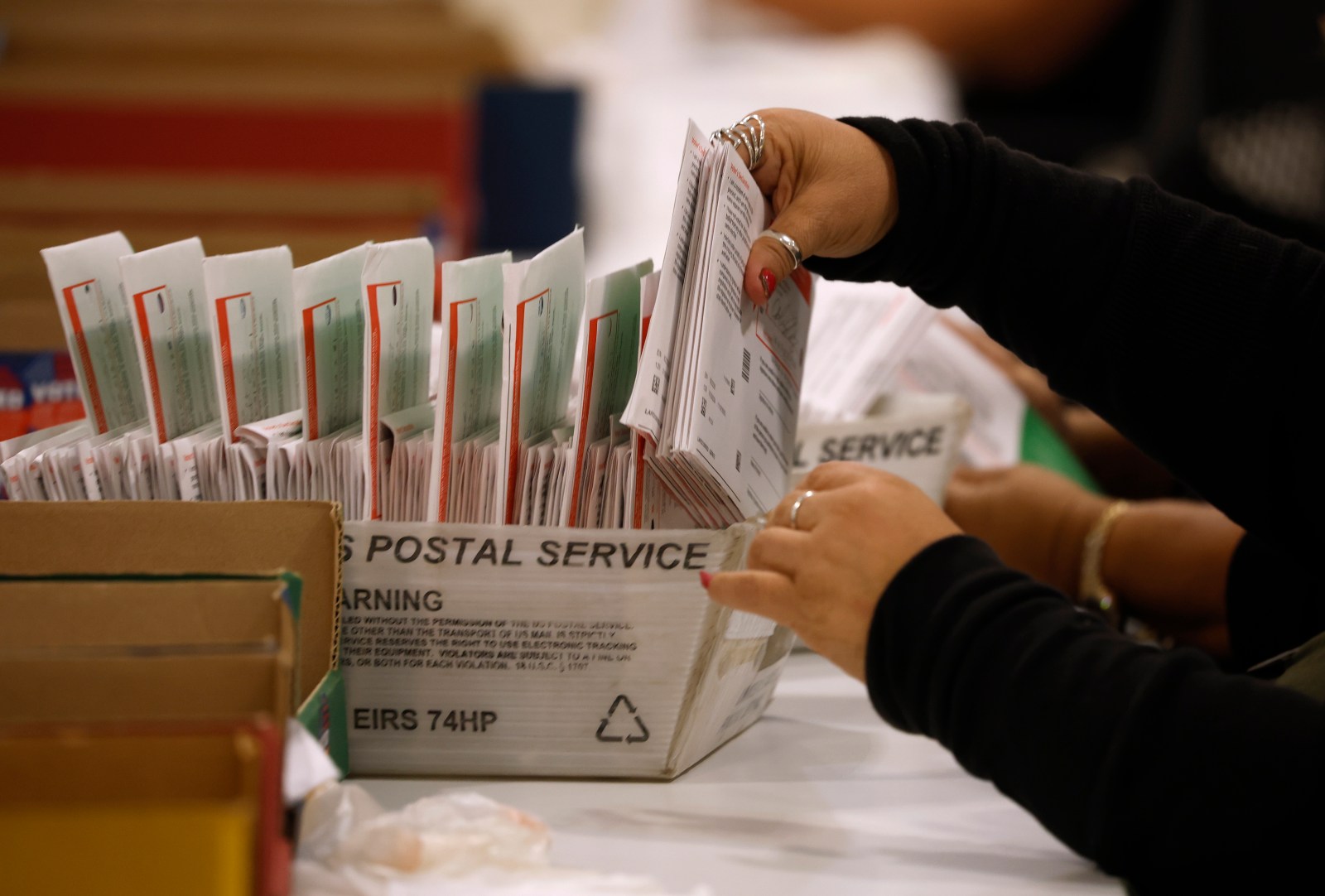
President Donald Trump recently faced a significant obstacle in his effort to impose new restrictions on mail-in voting. The administration is racing against time, as the first ballots for the upcoming midterm elections are set to be dispatched shortly. The Supreme Court lifted an injunction blocking parts of Trump’s executive order intended to tighten federal control over mail-in voting, granting a temporary legal advantage.
Supreme Court Ruling: A Partial Victory
The conservative-majority Supreme Court ruled that Democratic-led states challenged Trump’s executive order prematurely. While the injunction tied to their challenge was lifted, another injunction concerning the legality of Trump’s mail-ballot measures remains. The Court emphasized in their ruling that any implementation of the order might not necessarily be lawful.
The Court’s disposition of this application does not mean that any measure taken by the Government to implement the Order will necessarily be lawful.
This separate nationwide injunction prevents USPS from implementing Trump’s mail-ballot provisions for the upcoming election. With some states, like North Carolina, preparing to distribute ballots soon, the administration could win the legal battle but might lose the war over mail-in voting during this election cycle.
Trump’s Executive Order on Election Administration
Trump’s executive order from March 31 introduced several changes to federal election administration. Among other things, it tasked the Department of Homeland Security and the Social Security Administration with creating lists of U.S. citizens eligible to vote by age come Election Day, to be distributed to each state’s election officials. Additionally, it mandated election officials to provide voter information to USPS before outbound mail ballots are issued.
The order called for thorough investigations into allegations of illegal voting practices and aimed to standardize USPS-approved mail-ballot envelopes with unique tracking barcodes to curb voter fraud. This latter provision is crucial for Trump and Congressional Republicans during the midterms.
US. District Judge Indira Talwani’s current injunction restricts USPS from blocking mail ballots that don’t meet Trump’s standards once accepted into the mailstream. According to USPS rules, ballots cannot be intercepted, returned, or delayed once sent.
The Election Countdown
Time is critical; military and overseas voters will start receiving ballots soon. If the injunction persists, a significant portion of the election will occur under the existing system. Even if lifted later, USPS cannot retract accepted ballots.
Implementing new systems involves complex steps beyond simple activation. Election officials must adhere to new envelope and data submission standards before presenting future mail ballots to USPS. Each day of legal contention is another day spent operating under current rules.
Potential for Future Rule Enforcements
Despite these setbacks, a future court victory for Trump remains impactful. If the remaining injunction ends soon, USPS could enforce regulations on federal ballot mailings that are yet unmailed. Failure to comply with new acceptance requirements could lead to rejection and return of mailings for correction and resubmission.
Considering the scale of mail voting, any changes could be noteworthy. Mail ballots represented nearly one-third of the presidential election turnout in 2024, with about 48 million mail ballots returned and over 47.6 million counted, according to the U.S. Election Assistance Commission.
If the regulations survive legal challenges, they will apply to all future federal elections, excluding primaries and those under federal military and overseas voter laws. Thus, beyond midterms, no state could argue lack of time or resources to enhance barcode, envelope, and data systems as required.
Continuing Impacts on Public Confidence
Even if Trump’s regulations arrive too late for the midterms, the ongoing dispute could extend beyond Election Day. Public trust in U.S. election integrity is fragile. A mere 55 percent of Americans expressed confidence in a fair and accurate election process come midterms, down from higher previous percentages.
The administration maintains that new postal rules aim to prevent fraud and sustain public confidence. Trump has consistently claimed mail voting is prone to widespread fraud, echoing his arguments following his 2020 presidential defeat. Should GOP candidates fare poorly in upcoming midterms, Trump might cite the injunction as a political scapegoat.
Despite the absence of evidence for large-scale fraud in 2020, Trump attributes his loss to mail voting. If midterms do not favor the GOP, this rationale might reappear.