Trump’s Complex Approach to U.S.-China Trade Relations
President Donald Trump has taken a bold stance on China. In his first term and the early part of this one, he distinguished himself from predecessors by reshaping the U.S.-China trade relationship. He was willing to impose tariffs and other measures to adjust trade flows and reduce supply chain risks. This shift was welcomed by American industrial workers affected by factory closures and trade issues.
Yet, Chinese leader Xi Jinping has countered Trump’s moves effectively. Tactics like limiting access to crucial minerals, manipulating the renminbi, and establishing barriers have softened the economic impact of U.S.-imposed tariffs. While the U.S.-China trade deficit lessened, China’s global trade surplus hit a record $1.2 trillion last year. Xi’s upcoming visit to Washington for a summit on September 24 presents a pivotal moment.
Critical Concerns for American Manufacturing
Trump is at risk of losing any leverage created if he overlooks three major issues threatening U.S. manufacturing: cars, currency, and computer chips.
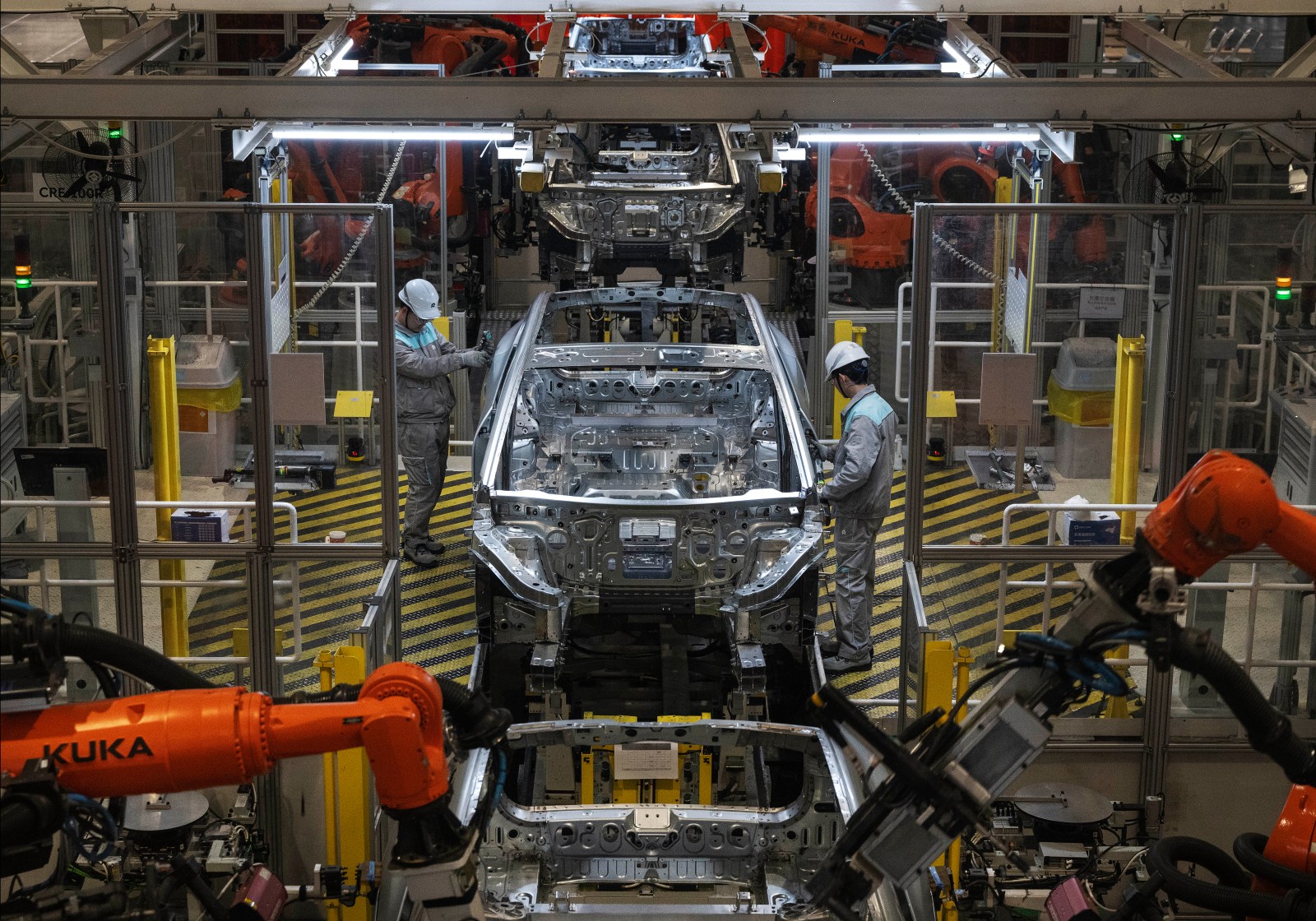
Cars: China’s auto industry is expanding globally, viewed as an existential threat to American auto jobs by lawmakers and CEOs. Decades of subsidies and technology transfers have fueled this growth. While Trump appears open to Chinese auto factories in the U.S., preserving imports, this could seriously impact America’s auto sector, integral to the broader manufacturing ecosystem. Allowing Chinese control in this key area could pose national security risks.
Currency: Unlike the U.S. dollar, China’s renminbi remains controlled, not freely floating. This manipulation keeps its value low, reducing the effective cost of Chinese exports despite U.S. tariffs. China’s export growth to the U.S. confirms this impact. Although the executive branch possesses tools to address this manipulation, such as actions by the Treasury Department and Commerce Department, Trump’s administration has hesitated to confront these practices.
Computer Chips: President Trump has encouraged domestic semiconductor production, notably securing a $200 billion reshoring commitment from Micron and investing in Intel. Yet, his stance has softened when faced with complaints from multinational CEOs seeking to sell high-end chips to China. This compromises the goal of reshoring microelectronic production and reducing dependency.
While Trump’s overall approach to China differs from predecessors, aiming to solve trade issues through tariffs on unfair imports, these three areas need alignment with the broader strategy. Careful attention to cars, currency, and chips could create a cohesive trade position.
Author Biography: Scott Paul serves as president of the Alliance for American Manufacturing. The perspectives shared in this article represent the author’s own views.